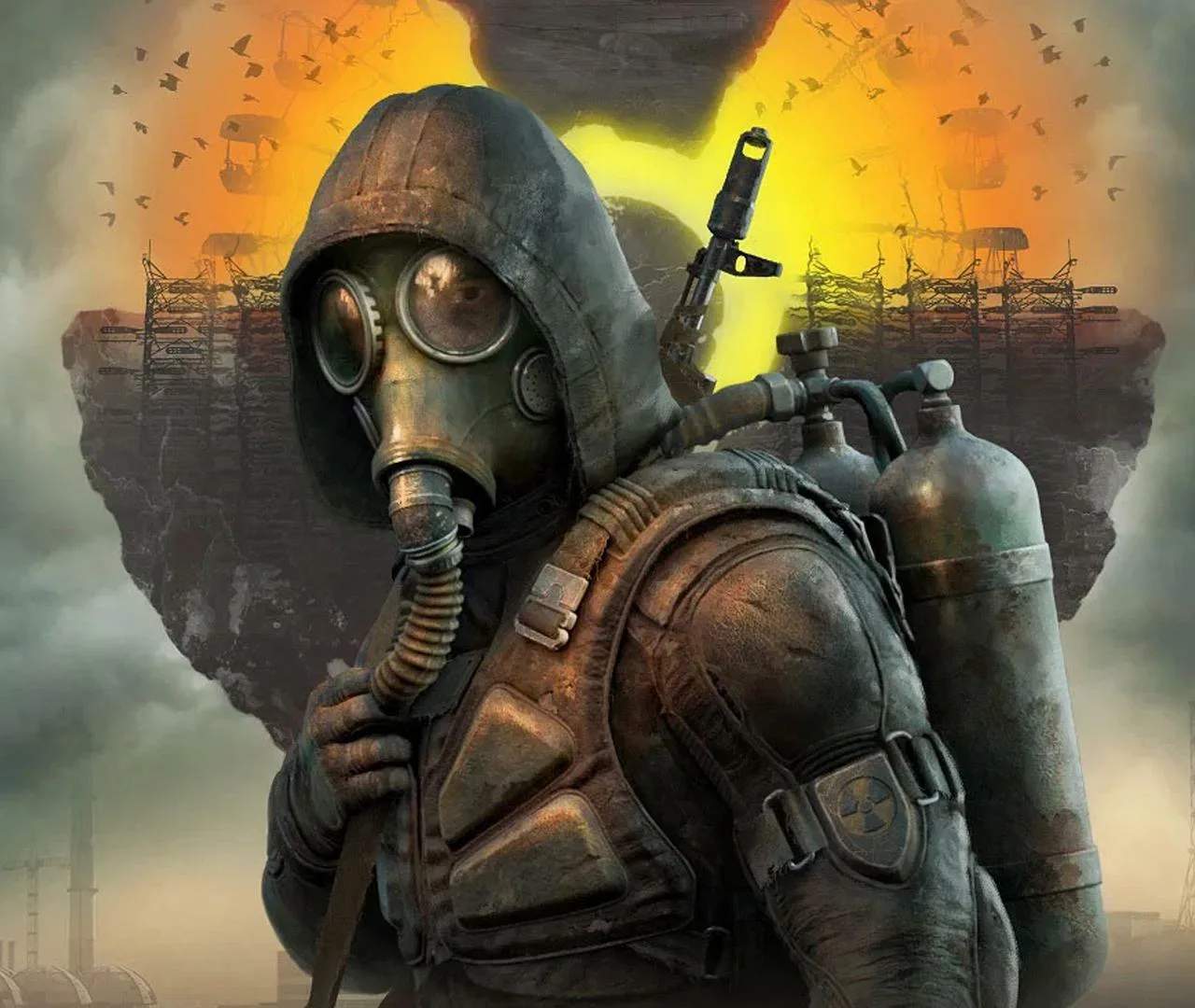
Base Building/Camp Management
Establishing and maintaining a safe haven is crucial for survival in the Zone. Your base serves as a sanctuary for rest, crafting, and storing valuable loot. This section will guide you through setting up and managing your camp effectively, transforming a derelict shack into a fortified bastion against the Zone's myriad threats.
Choosing Your Location: The Art of the Safe Zone
Selecting the right spot for your base is paramount. A poorly chosen location can become a death trap, attracting unwanted attention from mutants, bandits, or even territorial anomalies. Consider these factors when scouting:
- Defensibility: Prioritize locations with natural choke points, elevated positions, or existing robust structures that can be reinforced. Avoid wide-open areas or locations with multiple easily accessible entry points. Think about sightlines for spotting threats early.
- Proximity to Resources: Being near a reliable, albeit potentially contaminated, water source is vital. Access to hunting grounds for food and areas rich in salvageable materials (ruined villages, industrial sites) significantly reduces travel time and risk.
- Trader Access: While not always feasible, a base within a reasonable radius of a friendly faction trader (e.g., the Duty or Freedom outposts in later game areas) can drastically improve your logistical capabilities, allowing for quick resupply and sale of excess loot.
- Faction Presence & Threat Assessment: Thoroughly scout the immediate and surrounding areas for signs of hostile faction patrols, active mutant nests (especially those with high-tier spawns like Bloodsuckers or Pseudogiants), or dangerous anomaly fields. A quiet, relatively unmolested area is your best bet.
Early Game Tip: The abandoned farmstead near the Cordon's southern entrance is an excellent starting point. It offers a defensible central building, a small courtyard for expansion, and is relatively free of high-tier threats in the initial stages. Its proximity to the first trader also proves invaluable.
Essential Base Structures: Building Your Sanctuary
Once a location is secured, focus on establishing core functionalities. This requires gathering specific crafting materials and, crucially, finding blueprints. Keep an eye out for these common and rare components:
- Scrap Metal: Abundant in abandoned vehicles, ruined buildings, and often dropped by mechanical mutants like Snorks and Controllers. Essential for barricades and repairs.
- Wood Planks: Harvested from fallen trees (requires a saw) or found in construction sites and abandoned furniture. Used for basic structures and barricades.
- Duct Tape: A ubiquitous item found in abandoned structures, loot caches, and on fallen enemies. Crucial for repairing gear and crafting consumables.
- Tools (Hammer, Saw, Wrench): Often found in workshops, tool sheds, garages, or on the bodies of specialized NPCs. A hammer is needed for most construction and repairs, a saw for wood, and a wrench for more complex machinery.
Key Structures and Their Functions:
- Sleeping Bag/Cot: The most fundamental structure. Allows you to rest, recover stamina, and, most importantly, save your game. Essential for any base, no matter how rudimentary.
- Workbench: This is your gateway to advanced crafting. A basic workbench can often be found in existing structures. Upgrading it, or finding a more advanced model, requires specific parts (e.g., 'Precision Lathe Components', 'Industrial Grinder Gears') found in high-tier loot zones or on specific NPCs.
- Storage Chests: Expand your inventory capacity significantly. Look for large metal containers, military-grade lockers, or craft wooden crates. Prioritize multiple chests for organizing loot by type (ammo, meds, artifacts, etc.).
- Defensive Barricades: Construct makeshift walls, sandbag emplacements, and reinforced gates using scrap metal and wood planks. These are vital for deterring and slowing down mutant hordes and bandit raids.
- Water Purifier: Absolutely critical for survival. Makes contaminated water safe to drink, preventing debilitating radiation sickness, hunger, and disease. Requires a power source (generator or direct grid connection).
- Crafting Stations (Advanced): Beyond the workbench, specialized stations unlock further crafting tiers:
- Munitions Bench: For crafting advanced ammunition types (e.g., AP rounds, incendiary rounds) and explosives. Requires 'Ballistics Calculator' and 'Pressing Dies'.
- Medical Station: For crafting potent medkits, antidotes, and radiation treatments. Requires 'Sterile Bandages' and 'Chemical Reagents'.
- Armor Repair Station: For repairing and upgrading protective gear. Requires 'Sewing Kit' and 'Reinforcement Patches'.
Camp Management Strategies: Thriving in the Zone
A well-managed camp is not just a safe house; it's an operational hub that significantly enhances your survivability and efficiency.
- Resource Management & Prioritization: Regularly assess your needs. Always prioritize crafting essential survival items:
- Ammunition: Never run dry. Crafting rounds for your primary weapons should be a constant activity.
- Medkits & Bandages: Essential for combat survival and recovery.
- Food & Water: Maintain a steady supply to avoid debuffs from hunger and thirst.
- Repair Kits: Keep your gear in top condition.
- Recruiting Friendly NPCs: Certain friendly NPCs encountered in the Zone can be persuaded or hired to join your cause. Look for individuals with unique skills (e.g., a former medic, a skilled scout, a proficient gunsmith). To recruit, you often need to complete a specific quest for them, offer them a substantial amount of money (e.g., 5,000-10,000 RU), or provide them with essential supplies (e.g., a high-tier weapon, rare medical supplies). Once recruited, they can be assigned tasks such as guarding your base, patrolling specific areas, or even accompanying you on missions (though this is less common for dedicated base defenders).
- Loot Prioritization: Not all junk is worth hauling. Focus your scavenging efforts on items that offer the most immediate or long-term benefit:
- High-Priority Loot:
- Ammunition: Any caliber for your primary weapons.
- Medical Supplies: Medkits, bandages, antidotes, radiation pills.
- Artifacts: Especially those with beneficial stat boosts (e.g., 'Jellyfish' for radiation resistance, 'Meat Chunk' for health regeneration).
- Crafting Components: Rare parts for advanced crafting, especially those needed for your current weapon/armor upgrades.
- Valuable Junk: Items that sell for a high price to traders (e.g., electronics, rare metals).
- Weapon/Armor Upgrades: Specific parts that can be installed directly or used for crafting.
- Medium-Priority Loot: Food, water, basic crafting materials, less valuable artifacts.
- Low-Priority Loot: Common junk, low-tier ammo, basic consumables you have in abundance.
- High-Priority Loot:
- Defense and Patrols: Assign recruited NPCs to defensive positions around your base perimeter. Establish patrol routes to detect approaching threats early. Upgrade your barricades and consider setting up simple traps (e.g., tripwires connected to noise makers or small explosives) in common approach vectors.
- Regular Maintenance: Structures and defenses degrade over time and can be damaged during attacks. Periodically check and repair all your base components using appropriate tools and materials.
- Strategic Scavenging Runs: Plan your expeditions based on your current needs. If you're low on ammo, target military checkpoints or abandoned bunkers. If you need crafting components, head to industrial zones or heavily damaged urban areas.
Advanced Tip: Rare blueprints for advanced defenses (e.g., automated turrets, reinforced blast doors) or unique crafting recipes (e.g., 'Experimental Stimulant', 'Kinetic Armor Plating') can be found in heavily guarded high-tier loot zones like the Chornobyl NPP or Pripyat's central areas, or obtained by completing challenging faction quests or defeating specific boss mutants. Always be on the lookout for these game-changing items!