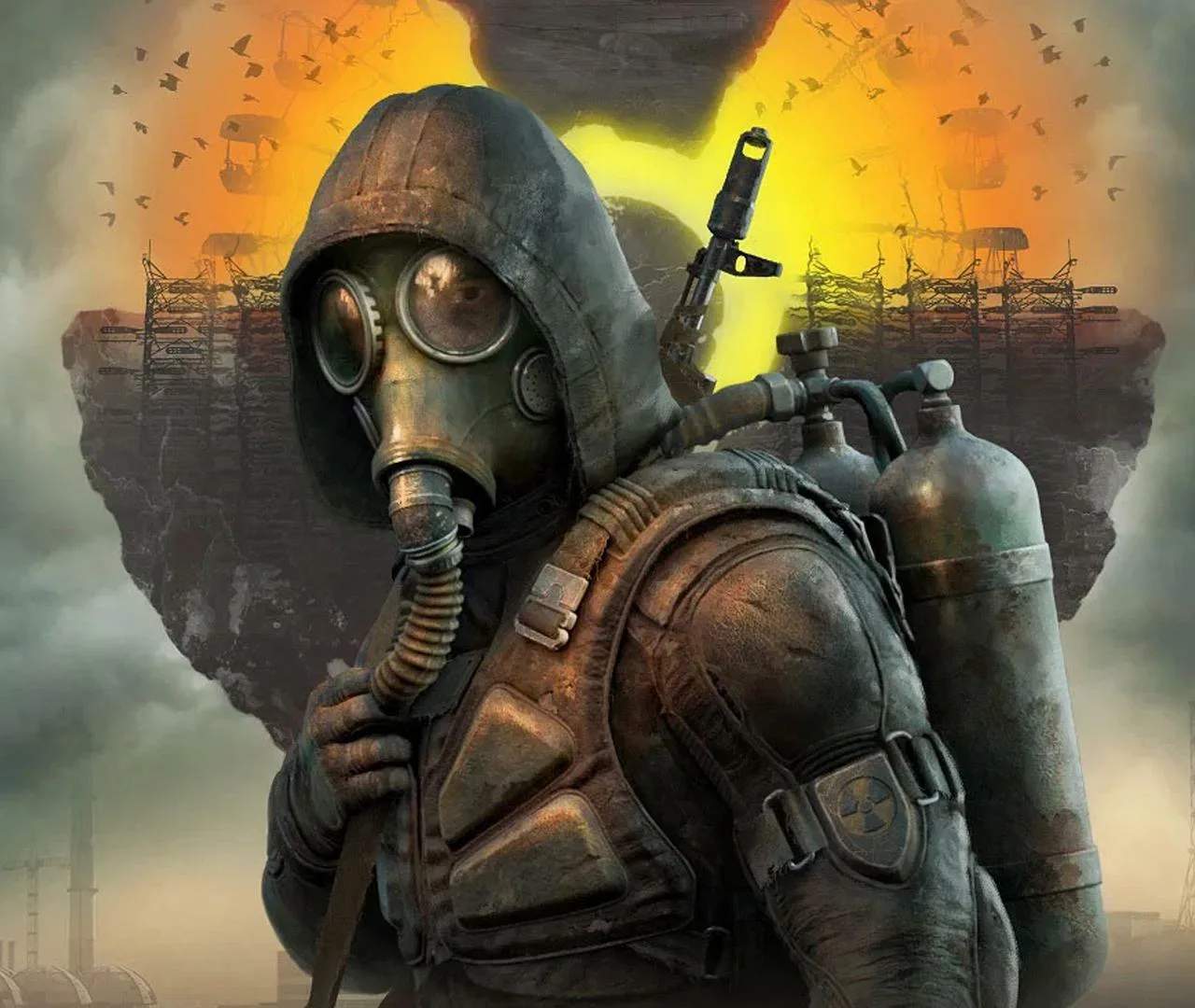
Armor and gear are your primary line of defense against the Zone's myriad threats in S.T.A.L.K.E.R. 2. This guide details the types of armor available, their stats, and how to choose the best equipment to suit your playstyle and the challenges you face.
Understanding Armor Stats
Armor in S.T.A.L.K.E.R. 2 is defined by several key statistics:
- Ballistic Protection: Reduces damage from bullets. Higher values mean less damage taken from firearms.
- Impact Protection: Reduces damage from melee attacks and falling.
- Radiation Resistance: Slows down the buildup of radiation and can offer a higher tolerance. Crucial for exploring irradiated areas.
- Bleeding Resistance: Reduces the rate at which you lose health from bleeding wounds.
- Burn Resistance: Offers protection against fire-based anomalies and attacks.
- Psychic Resistance: Protects against mental attacks from creatures like Controllers.
- Weight: Heavier armor provides better protection but slows you down and reduces stamina.
- Durability: Armor degrades with use and damage, requiring repairs.
Types of Armor
Armor pieces generally fall into several categories, often based on their protective capabilities and weight:
- Light Armor: Offers basic protection against minor threats and environmental hazards. Ideal for stealthy characters or early-game exploration. Examples might include leather jackets or simple vests.
- Medium Armor: A balance between protection and mobility. Suitable for general exploration and combat. Often includes reinforced jackets or light combat suits.
- Heavy Armor: Provides the highest level of protection against ballistic and impact damage, as well as environmental hazards. However, it sificantly impacts mobility and stamina. These are typically full-body suits, often with integrated helmets.
- Specialized Suits: These are desed for specific threats, such as radiation suits offering high radiation resistance, or exoskeletons that enhance strength and carrying capacity.
Choosing the Right Gear
Your choice of armor should depend on your current objective and playstyle:
- For Combat-Focused Builds: Prioritize high ballistic and impact protection. Heavy armor is often preferred, but consider the trade-off in mobility.
- For Stealthy/Sniper Builds: Opt for light or medium armor that offers good stealth bonuses and minimal weight.
- For Exploration of Hazardous Areas: Specialized suits with high radiation or burn resistance are essential.
- For Psionic Threats: Look for armor with high psychic resistance.
Gear Maintenance and Upgrades
Keep your gear in good condition. Utilize repair kits regularly to maintain optimal protection. Some armor might also have upgrade slots, allowing you to enhance specific stats or add new resistances through specialized modules or artifacts.
Artifacts as Gear Enhancements
Artifacts found in anomaly fields can be equipped to provide passive bonuses, further enhancing your gear's effectiveness. They can offer boosts to health, stamina, resistance, or even unique abilities, making them an integral part of your loadout.