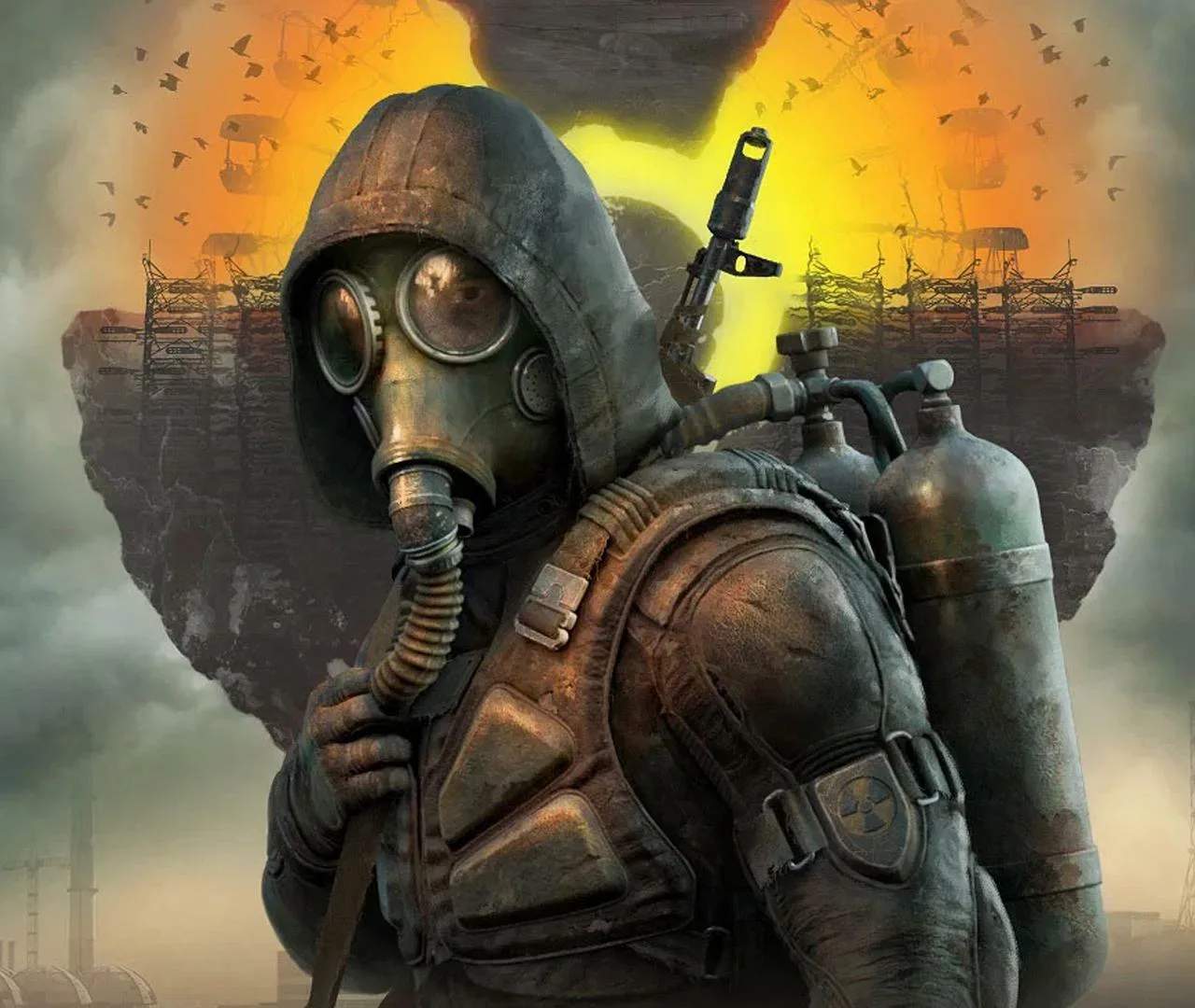
Crafting and Upgrading
Survival in the Zone is a harsh mistress, and your gear will be your closest companion. Fortunately, S.T.A.L.K.E.R. 2: Heart of Chornobyl offers robust crafting and upgrading systems that allow you to tailor your equipment to your playstyle and the ever-present dangers of the Zone. Mastering these systems is crucial for overcoming the toughest challenges, from mutated beasts to heavily armed factions.
Crafting: Improvise and Adapt
Crafting allows you to create essential items, ammunition, and even specialized gear using scavenged components. You'll find a wide array of crafting materials scattered throughout the Zone, from discarded electronics and scrap metal to rare biological samples and chemical compounds.
Key Crafting Principles:
- Scavenge Everything: Don't overlook seemingly insignificant items. Many common objects can be broken down into valuable crafting components.
- Toolkits are Essential: While basic crafting can be done on the fly, advanced recipes often require specialized toolkits. Keep an eye out for these in abandoned workshops and research facilities.
- Experimentation: Some recipes may not be immediately obvious. Experiment with different combinations of components to discover new crafting possibilities.
Common Crafting Stations:
- Field Workbench: Found in most safe zones and camps, allowing for basic repairs and crafting of common items like bandages and simple ammunition.
- Advanced Workbench: Located in more established settlements and research outposts, these stations unlock more complex crafting recipes, including specialized ammo types and basic weapon modifications.
- Field Chemistry Set: Essential for crafting medical supplies, stimpacks, and certain explosives. Often found in medical tents or abandoned labs.
Essential Craftable Items:
- Bandages: Crucial for healing minor wounds. Crafted from cloth scraps and antiseptic.
- Medkits: Restore larger amounts of health. Require more complex components like sterile gauze and medical stimulants.
- Stimpaks: Provide temporary buffs, such as increased stamina or damage resistance.
- Ammunition: Crafting your own ammo can be a lifesaver, especially when facing specific enemy types or when supplies are scarce. Different weapon types require different ammunition components.
- Grenades: Improvised explosives can turn the tide of a firefight.
Upgrading: Enhancing Your Arsenal
Upgrading allows you to improve the performance of your weapons and armor, making them more reliable and effective. This is typically done at specialized workstations by skilled technicians.
Where to Find Upgrade Stations:
- Mechanic Stations: Found in larger settlements and faction bases. These are manned by mechanics who can perform weapon and armor upgrades.
- Specialized Workshops: Certain rare upgrades might only be available at highly specialized workshops, often hidden within dangerous areas or requiring specific quests to access.
Weapon Upgrades:
Weapon upgrades focus on improving core stats:
- Accuracy: Reduces bullet spread, making shots more precise.
- Recoil Control: Minimizes weapon kick, allowing for faster follow-up shots.
- Damage: Increases the raw damage output of your weapon.
- Rate of Fire: Boosts how quickly the weapon can fire.
- Magazine Capacity: Increases the number of rounds per magazine.
- Durability: Improves the weapon's resistance to wear and tear, reducing the need for frequent repairs.
Armor Upgrades:
Armor upgrades focus on survivability and utility:
- Ballistic Resistance: Increases protection against bullet damage.
- Anomaly Resistance: Enhances your ability to withstand radiation, electrical, and other anomalous effects.
- Stamina Regeneration: Speeds up stamina recovery, allowing for more sprinting and melee attacks.
- Inventory Space: Increases the amount of loot you can carry.
- Environmental Protection: Offers better defense against environmental hazards like toxic gas.
Upgrade Components:
Upgrading requires specific components, often found by:
- Dismantling Gear: Breaking down unwanted weapons and armor can yield valuable upgrade parts.
- Scavenging: Finding specialized upgrade kits and parts in loot containers, especially in military installations and research labs.
- Quest Rewards: Some quests may reward you with rare upgrade components.
- Trading: Certain vendors may offer specific upgrade components for sale.
Strategy for Success:
- Prioritize Upgrades: Focus on upgrading your primary weapon and armor first. A well-upgraded weapon can make a significant difference in combat.
- Adapt to the Zone: If you're frequently encountering anomalies, prioritize anomaly resistance on your armor. If you're facing heavily armored enemies, focus on damage and accuracy upgrades for your weapons.
- Don't Neglect Crafting: Always keep a stock of essential crafted items like medkits and bandages. Crafting specialized ammo for specific threats can save you a lot of trouble.
- Explore Thoroughly: The Zone is full of hidden caches and valuable crafting materials. The more you explore, the better equipped you'll be.