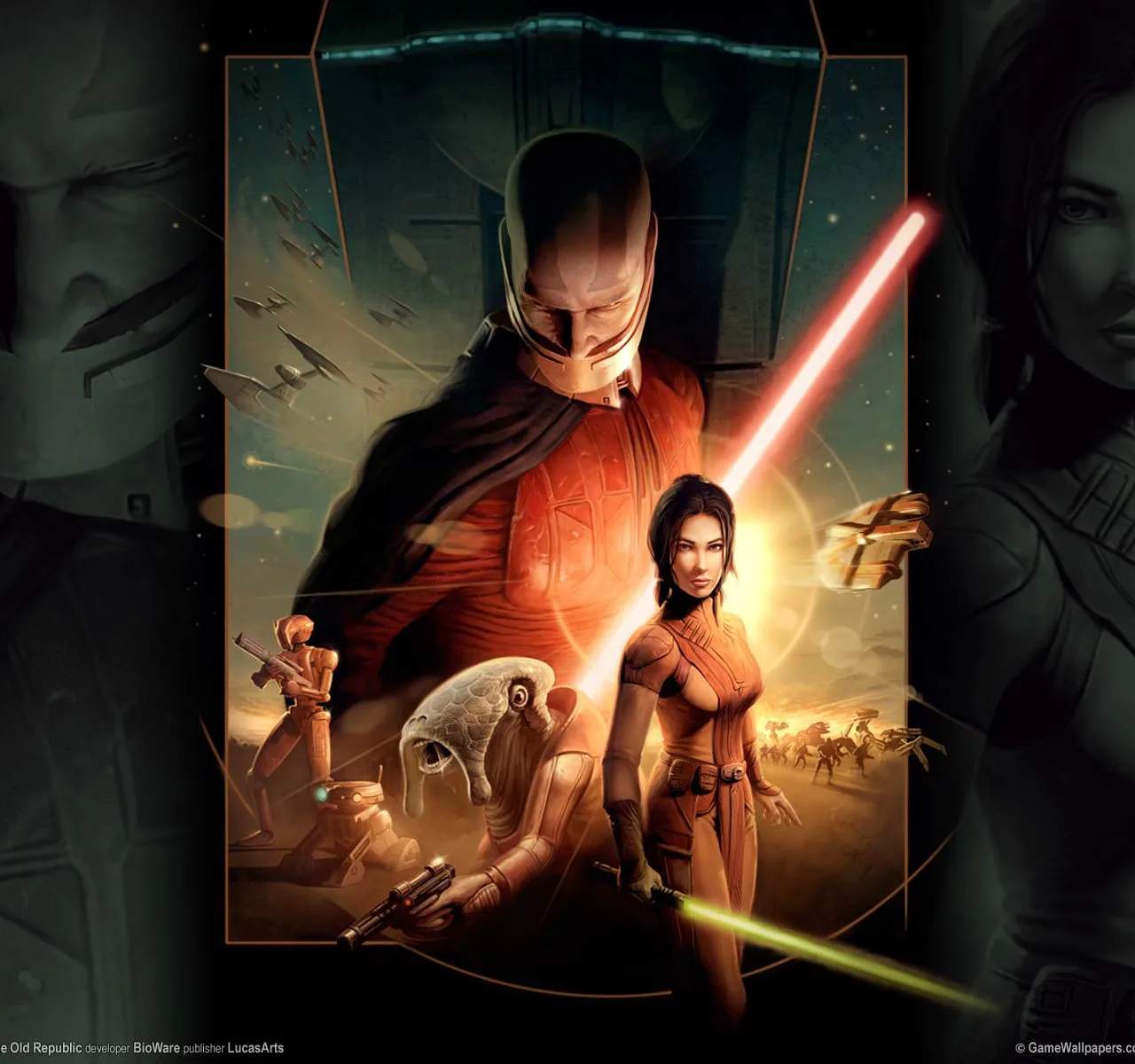
The combat system in Star Wars: Knights of the Old Republic is a real-time with pause system, blending tactical decision-making with the fluidity of action. Understanding its core mechanics, including attack rolls, saving throws, and the use of Force powers and special abilities, is paramount to surviving the galaxy's many dangers.
Core Combat Mechanics
- Real-Time with Pause: Combat unfolds in real-time, but you can pause the action at any moment to issue commands to your character and companions, assess the situation, and plan your next move.
- Attack Rolls: To hit an enemy, your character or companion makes an attack roll by rolling a d20 and adding relevant modifiers (e.g., Strength for melee, Dexterity for ranged) against the target's Defense Class (DC).
- Defense Class (DC): This represents how difficult a target is to hit. It's influenced by Dexterity, armor, and certain feats.
- Saving Throws: Many enemy abilities, especially Force powers, require you or your enemies to make a saving throw (Fortitude, Reflex, or Will) to resist or reduce their effects. These are also d20 rolls modified by your attributes.
- Hit Points (HP): This is your character's health. When HP reaches zero, the character is incapacitated.
- Armor Class (AC): Primarily influenced by Dexterity and armor worn, AC contributes to your Defense Class.
Force Powers and Abilities
Force-sensitive characters can wield several Force powers, categorized into:
- Light Side Powers: Often focused on healing, protection, and control (e.g., Force Heal, Force Valor, Stasis).
- Dark Side Powers: Typically offensive and debilitating (e.g., Force Lightning, Drain Life, Insanity).
- Universal Powers: Can be used by both Light and Dark Side users (e.g., Force Push, Speed).
In addition to Force powers, characters have access to special combat abilities unlocked through feats, such as Flurry (increased attacks) or Power Attack (increased damage at the cost of accuracy).
Strategic Considerations
- Party Synergy: Combine your companions' abilities with your own. A Force user might stun enemies, allowing a melee character to land critical hits.
- Target Prioritization: Identify and eliminate the most dangerous threats first. This often includes enemy Force-users or heavily armored opponents.
- Buffing and Debuffing: Use Force powers to enhance your party's capabilities (buffs like Force Valor) or weaken enemies (debuffs like Slow).
- Resource Management: Keep an eye on your Force Power points (Force Points) and the availability of medpacks and repair kits.
- Positioning: While not a cover-shooter, strategic positioning can help keep melee characters engaged and ranged characters safe.
- Feat Selection: Choose feats that complement your character's class and playstyle. A Soldier might focus on combat feats, while a Jedi Consular would prioritize Force powers.
Mastering these elements will allow you to overcome the myriad challenges presented by the Sith, Mandalorians, and other hostile forces you encounter on your journey.