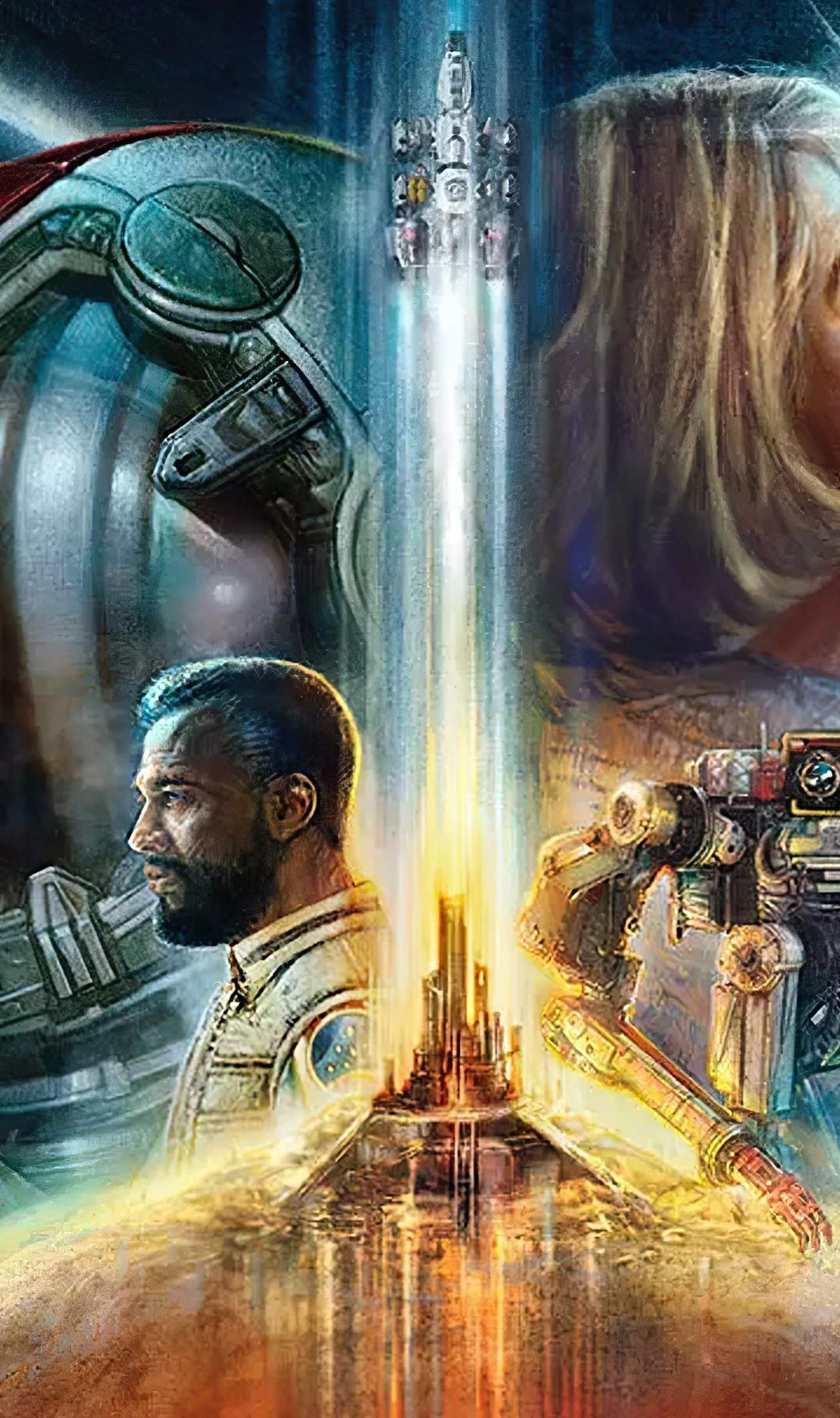
Starfield features a vast array of planets, each with unique biomes, resources, and potential discoveries. Understanding these celestial bodies is key to successful exploration, resource gathering, and outpost construction. From barren moons to lush, life-filled worlds, each planet offers distinct opportunities and challenges for the intrepid explorer.
Exploring Starfield's Planets
The Settled Systems are comprised of thousands of planets and moons, spread across numerous star systems. While many are procedurally generated, they possess distinct characteristics that influence gameplay:
- Resource Availability: Each planet is rich in specific resources, crucial for crafting, research, and outpost development. Identifying planets with valuable materials like Iron, Aluminum, or Helium-3 is essential for progression.
- Biomes and Environments: Planets vary greatly in their atmospheric conditions, gravity, and terrain. Some may be frozen tundras, others scorching deserts, volcanic hellscapes, or vibrant jungles teeming with alien flora and fauna.
- Lifeforms: Many planets host indigenous life, ranging from passive creatures to aggressive predators. Understanding the local wildlife can be important for survival and for completing certain research or combat objectives.
- Points of Interest (POIs): Planets can contain various structures, abandoned facilities, caves, or natural formations that serve as points of interest. These often hold valuable loot, quest objectives, or environmental storytelling.
Notable Planet Types and Characteristics
While a full catalog is extensive, here are some general types of planets you'll encounter:
| Planet Type | Common Characteristics | Potential Resources |
|---|---|---|
| Terran | Earth-like atmosphere, moderate gravity, diverse biomes. | Water, Carbon, Iron, Aluminum, Helium-3 |
| Desert | Arid, hot, sandy or rocky terrain, low gravity. | Iron, Titanium, Uranium, Vanadium |
| Ice | Frozen surfaces, low temperatures, often low gravity. | Water, Hydrogen, Nitrogen, Helium-3 |
| Volcanic | High temperatures, lava flows, rocky and unstable terrain. | Iron, Titanium, Cobalt, Tungsten |
| Swamp/Jungle | Humid, dense vegetation, high biodiversity, often higher gravity. | Carbon, Water, Chlorine, Fluorine |
| Barren/Rocky | Little to no atmosphere, rocky or dusty surfaces, varied gravity. | Iron, Aluminum, Nickel, Cobalt |
When landing on a new planet, always scan it from orbit first to get an overview of its resources, lifeforms, and potential hazards. This initial scan will provide valuable information for planning your exploration and resource extraction activities.