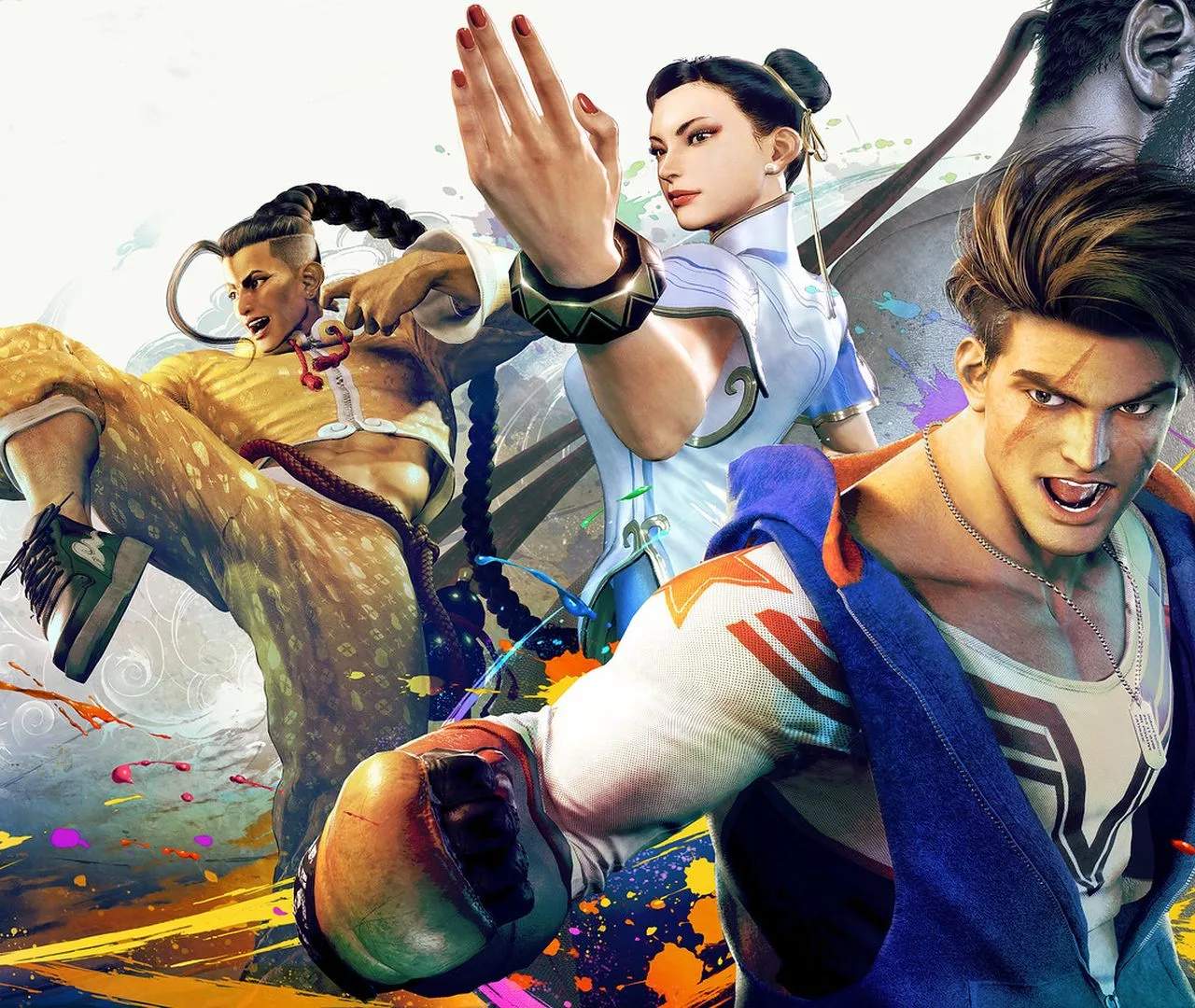
Optimal Combo Theory
Executing optimal combos is key to maximizing damage and securing victories in Street Fighter 6. This involves understanding how to link different attacks and special moves together seamlessly, taking advantage of hitstun and juggle states. Learning combo routes for your chosen character, considering meter usage and situational variations, will dramatically increase your offensive pressure and kill potential.
Optimal combo theory in Street Fighter 6 is about maximizing damage output and creating advantageous situations by stringing together attacks and special moves. It involves understanding the game's mechanics, such as hitstun, juggle states, and meter management, to execute the most effective sequences.
Core Concepts
- Hitstun: When a character is hit by an attack, they enter a state of hitstun, during which they cannot act. Combos are built by chaining attacks that keep the opponent in hitstun.
- Juggle State: Certain attacks can launch the opponent into the air, allowing for follow-up attacks before they hit the ground. This is known as a juggle.
- Linking: Successfully connecting one attack immediately after another, often by canceling the recovery frames of the first attack into the startup of the second.
- Canceling: Using a special move or super art to interrupt the recovery animation of a normal attack, allowing for faster follow-ups and longer combos.
- Drive System: Street Fighter 6's Drive System (Drive Impact, Drive Parry, Drive Rush, etc.) plays a crucial role in combo extension and pressure. Drive Rush, in particular, can extend combos sificantly.
Combo Structure
A typical combo in Street Fighter 6 might follow this structure:
- Opener: A normal attack or special move that initiates the combo, often a medium or heavy attack that is safe or links into other moves.
- Link/Cancel: Chaining into subsequent attacks by linking normals or canceling normals into special moves.
- Juggle Extender: Using an attack that launches the opponent into the air for a juggle sequence.
- Juggle Follow-ups: A series of attacks performed while the opponent is airborne.
- Ender: The final hit of the combo, which could be a powerful special move, Super Art, or a simple normal to end the sequence safely.
Meter Management
Your Super Art gauge is a critical resource for extending combos. Higher-level Super Arts often deal sificant damage and can be used to end combos for maximum effect. Learning when to spend meter on combo extensions versus saving it for defensive options or a guaranteed kill is a key strategic decision.
Character-Specific Combos
Each character has unique combo routes tailored to their move set. What works for one character might not work for another. It's essential to:
- Learn BnBs (Bread and Butter Combos): These are fundamental, reliable combos that are relatively easy to execute and provide consistent damage.
- Practice OTGs (On the Ground): Some combos incorporate attacks that hit the opponent after they've been knocked down but before they can recover, often requiring a specific timing or move.
- Explore Advanced Routes: Once you've mastered the basics, experiment with more complex combos that might involve Drive Rush cancels, specific spacing, or unique character interactions.
Training Mode is Your Friend
The Training Mode in Street Fighter 6 is invaluable for practicing combos. Utilize the following features:
- Combo Trials: The game offers pre-set combo challenges for each character, which are excellent starting points.
- Dummy Settings: Set the dummy to "Guard All" to practice safe pressure, "Jump" to practice anti-airs, or "Wake Up" to practice okizeme.
- Input Display: See your inputs in real-time to ensure you're executing commands correctly.
Mastering optimal combos requires dedication and practice. By understanding these theoretical concepts and applying them in training, you'll sificantly boost your damage output and overall effectiveness in matches.