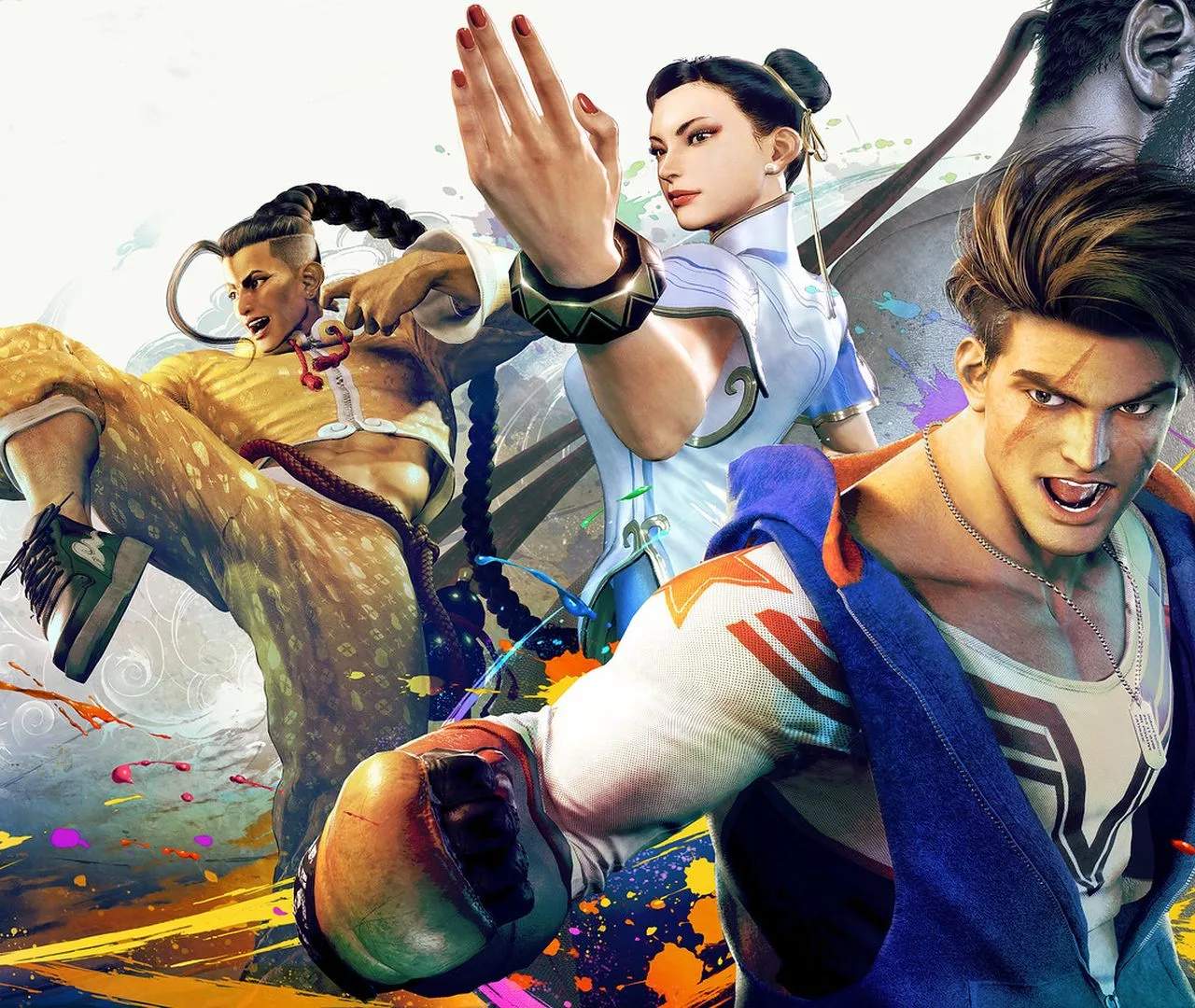
Character Archetypes Explained
Understanding character archetypes is fundamental to grasping the diverse playstyles in Street Fighter 6. Whether you prefer the balanced approach of a "Shoto," the overwhelming pressure of a "Rushdown" character, or the strategic spacing of a "Zoner," knowing these categories helps you choose a character that fits your preferred playstyle and understand how to counter opponents.
Street Fighter 6, like its predecessors, features a cast of characters that can be broadly categorized into distinct archetypes. These archetypes define a character's core strengths, weaknesses, and general approach to combat. Recognizing these archetypes is crucial for both selecting a character that suits your playstyle and for understanding how to effectively counter your opponents.
Common Archetypes
- Shoto: Named after Ryu and Ken (Shotokan Karate), these characters are the quintessential "all-rounders." They typically possess a projectile (like Hadoken), an anti-air special move (like Shoryuken), and solid normal attacks. They are generally well-balanced and good for beginners. Examples: Ryu, Ken.
- Zoner: These characters excel at controlling space and keeping opponents at bay using projectiles and long-reaching normal attacks. Their goal is to dictate the pace of the match from a distance, chipping away at the opponent's health. Examples: Guile, Dhalsim.
- Rushdown: Aggressive characters desed to close the distance quickly and overwhelm opponents with fast attacks, pressure, and mix-ups. They thrive in close-quarters combat and aim to prevent the opponent from establishing their own offense. Examples: Cammy, Juri.
- Grappler: These characters specialize in powerful, close-range command grabs that deal sificant damage. They often have slower movement and fewer traditional offensive tools, relying on getting close to land their devastating throws. Examples: Zangief.
- All-Rounder/Balanced: Similar to Shotos but often with more specialized tools or a slightly different focus. They can adapt to various situations but may not excel in any single area as much as a dedicated archetype. Examples: Luke, Kimberly (can lean rushdown).
- Setplay/Trap: Characters who excel at creating situations where the opponent is forced into a disadvantageous mix-up or trap. This can involve using projectiles, traps, or specific positioning to condition the opponent. Examples: JP (with his Stasis mechanic).
- Charge Characters: Characters whose special moves require holding a direction for a period before executing the input (e.g., holding back then forward + punch for Guile's Sonic Boom). This playstyle often involves strong zoning and defensive capabilities. Examples: Guile, Chun-Li (though she has both charge and motion inputs).
- Motion Characters: Characters whose special moves require directional inputs performed in sequence (e.g., quarter-circle forward + punch). Most characters fall into this category.
How Archetypes Influence Gameplay
- Matchup Knowledge: Understanding an opponent's archetype helps you anticipate their game plan. For example, you know a Zoner wants to keep you out, so you need to find ways to safely close the distance.
- Character Selection: Choosing a character whose archetype als with your preferred playstyle will make the learning process more enjoyable and effective.
- Strategy Development: Knowing your character's archetype allows you to develop strategies that leverage their strengths and mitigate their weaknesses.
While characters might have elements of multiple archetypes, their primary classification provides a strong foundation for understanding their role in combat. Experimenting with different characters and observing how they fit into these categories will deepen your strategic understanding of Street Fighter 6.