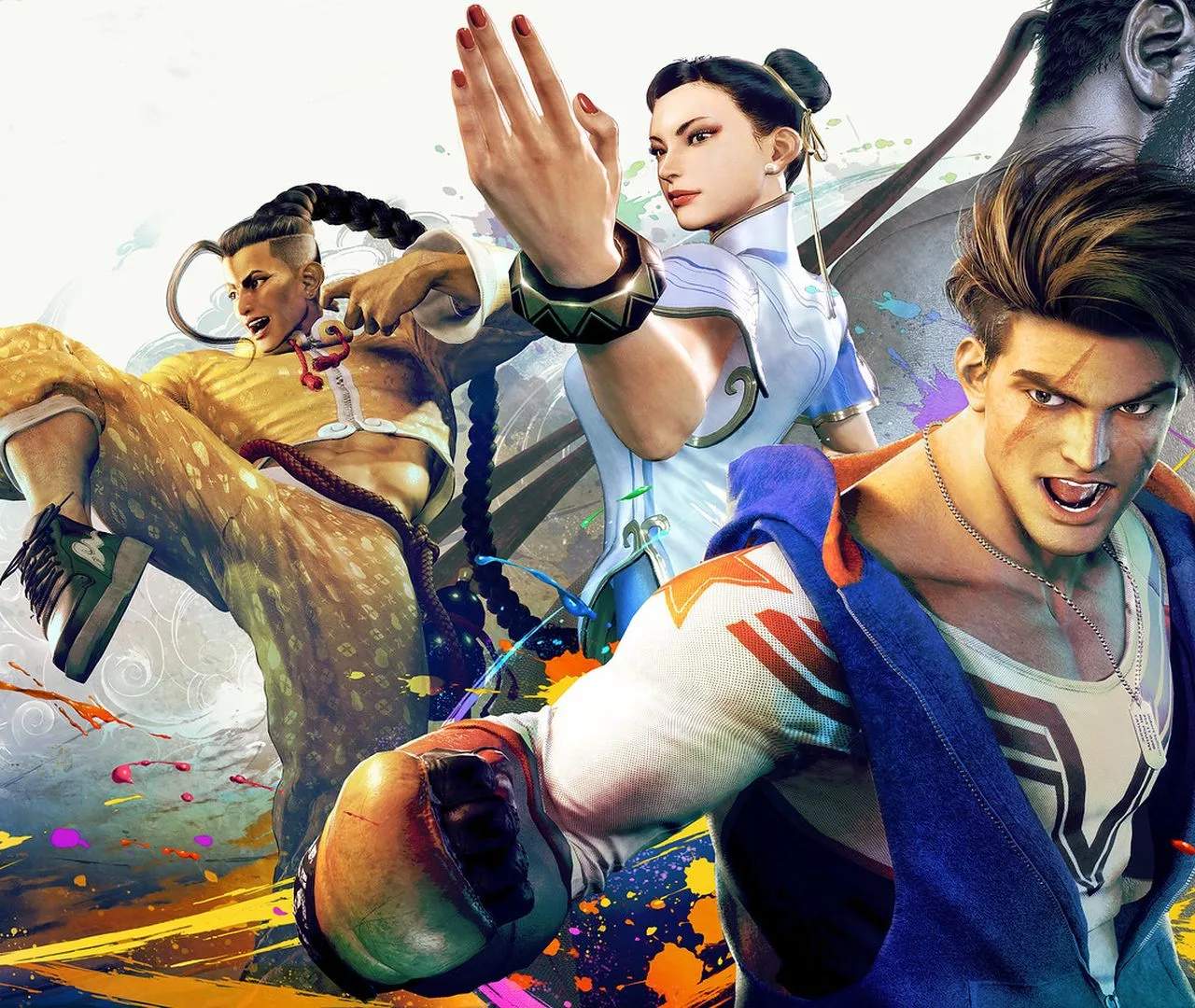
Develop a winning strategy by crafting your personal game plan in Street Fighter 6. This guide focuses on understanding your character, your opponent, and the flow of battle to create a consistent approach.
Understanding Your Character's Identity
Every character in Street Fighter 6 has a unique set of strengths, weaknesses, and tools. Before developing a game plan, deeply understand your chosen fighter:
- Archetype: Is your character a rushdown, zoner, grappler, or all-rounder? This dictates their primary game plan.
- Key Moves: Identify your most important normal attacks, special moves, and Super Arts. What are their ranges, speeds, and properties?
- Strengths and Weaknesses: What does your character excel at? Where do they struggle? Knowing this helps you play to your advantages and mitigate your disadvantages.
- Combo Potential: Understand your bread-and-butter combos and optimal damage routes for different situations (e.g., corner combos, punish combos).
Analyzing Your Opponent
A successful game plan adapts to the opponent. Observe and analyze:
- Character Matchup: How does your character fare against theirs? Are there specific strategies you need to employ or avoid?
- Opponent's Habits: Do they jump a lot? Do they rely on specific mix-ups? Do they mash buttons defensively? Identifying patterns allows you to counter them.
- Resource Management: Pay attention to their Drive Gauge and Super Art Gauge. Are they low on meter, making them less threatening?
Building Your Game Plan
Combine your character knowledge with opponent analysis to form a cohesive strategy:
- Neutral Game: How will you control space and approach your opponent? Will you use projectiles, long-range normals, or fast dashes?
- Offensive Pressure: Once you gain an advantage, how will you maintain pressure? What mix-ups will you use to open them up?
- Defensive Strategy: When on the defensive, how will you escape pressure? What are your best options for blocking, parrying, or reversing?
- Punish Game: What are your go-to punishes for specific opponent mistakes (e.g., whiffed attacks, unsafe specials)?
- Adaptation: Be prepared to adjust your game plan on the fly. If your initial strategy isn't working, don't be afraid to try something different.
Developing a personal game plan is an ongoing process. Through practice, analysis, and adaptation, you'll refine your approach and consistently perform at a higher level.