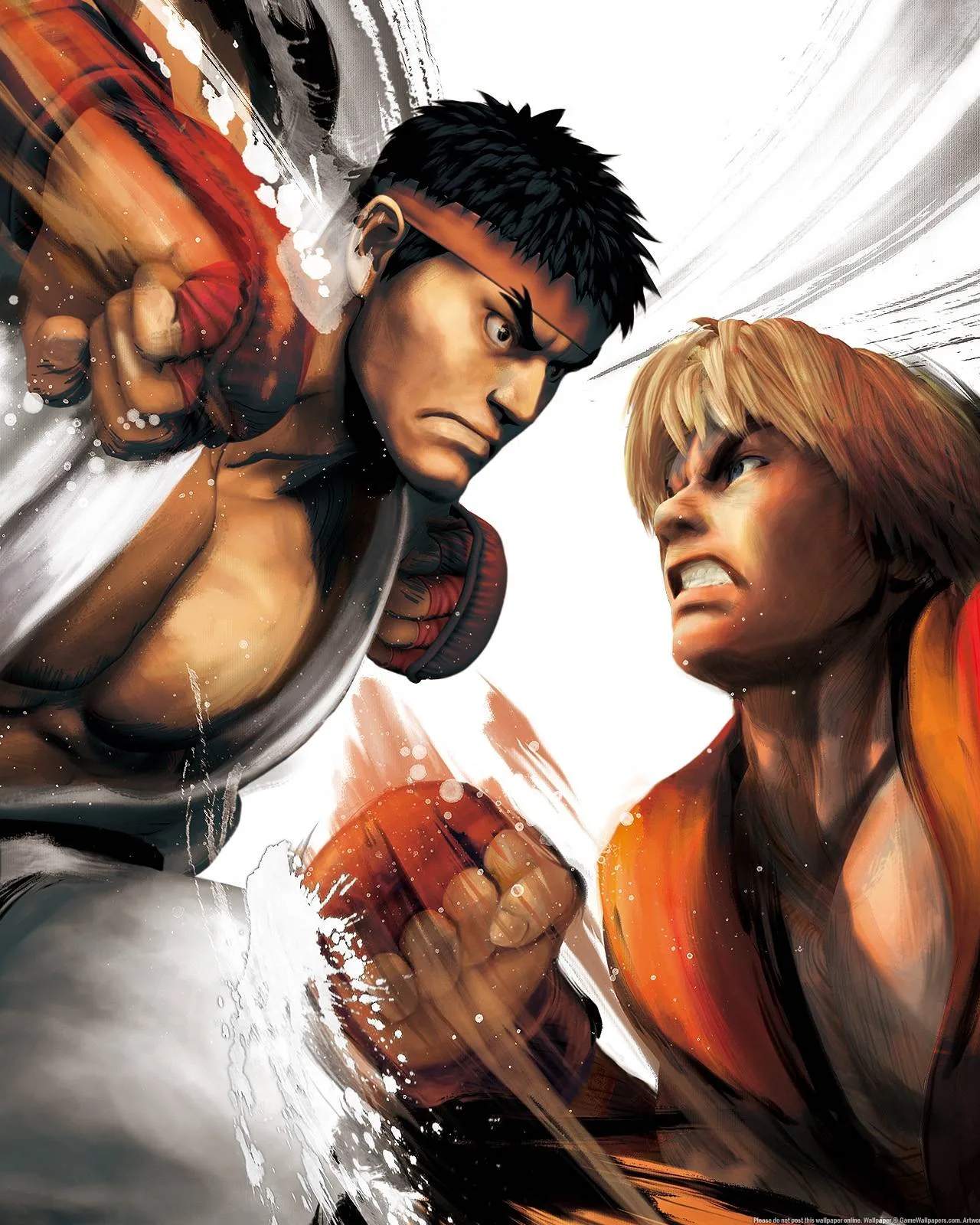
Glossary of Fighting Game Terms
Welcome, aspiring World Warriors! To truly master Street Fighter IV, understanding the language of the fight is crucial. This glossary will break down common fighting game terminology, giving you the vocabulary and strategic insights to elevate your gameplay from button mashing to calculated domination. Familiarize yourself with these terms and watch your understanding of the game deepen.
General Terminology
- Input: Refers to the specific button presses and joystick/D-pad movements required to execute a move. For example, a "Quarter-Circle Forward" (QCF) input is a common motion for projectiles like Ryu's Hadoken.
- Frame Data: The detailed breakdown of how many frames (1/60th of a second) each action in the game takes. This includes startup frames (before a move becomes active), active frames (when it can hit), and recovery frames (after it hits or misses). Understanding frame data is essential for advanced play, allowing you to identify safe moves, punish opponents, and create combos.
- Hitbox/Hurtbox:
- Hitbox: The invisible area around an attack that determines if it connects with an opponent.
- Hurtbox: The invisible area around a character that determines if they can be hit by an attack.
Optimizing your attacks to hit the opponent's hurtbox while keeping your hurtbox safe is a core concept.
- Neutral: The state of the game where neither player has a significant advantage or disadvantage. Both players are typically trying to establish control, poke, and look for openings.
- Oki (Okizeme): Short for "wake-up game." This refers to the offensive pressure a player applies to an opponent who is knocked down. The goal is to force a guessing game upon their wake-up, leading to further damage or advantageous situations.
- Punish: Landing a free hit or combo on an opponent who has made a mistake, such as whiffing an attack (missing completely) or using a move with long recovery. Learning common punish opportunities is vital.
- Whiff: To miss an attack entirely, leaving your character vulnerable during the recovery frames.
Offensive Terminology
- Combo: A sequence of attacks that, once the first hit connects, cannot be blocked by the opponent if executed correctly. Mastering character-specific combos is fundamental to dealing significant damage.
- Block String: A series of attacks that, while individually blockable, are designed to keep the opponent in block stun, preventing them from counter-attacking or escaping. This builds pressure and can open up opportunities for mix-ups.
- Mix-up: A situation where you present your opponent with multiple offensive options (e.g., high/low, left/right, throw/attack) in quick succession, forcing them to guess which one to block or defend against. A successful mix-up often leads to a combo.
- Cross-up: An attack that hits the opponent from behind, forcing them to block in the opposite direction. This is a powerful mix-up tool, often achieved by jumping over a crouching opponent.
- Tick Throw: A technique where you hit the opponent with a light, fast attack (a "tick") to put them in block stun, then immediately follow up with a throw before they can recover from block stun.
- Meaty: An attack that hits an opponent as they are waking up from a knockdown, hitting on its active frames. This often leads to a guaranteed hit or a favorable frame advantage.
Defensive Terminology
- Block: Holding back (for standing block) or down-back (for crouching block) to negate damage from incoming attacks.
- Tech (Throw Tech): Pressing a light punch or light kick button at the same time you are being thrown to escape the throw and return to a neutral state. Mastering throw teching is crucial for avoiding easy damage.
- Wake-up: The act of recovering from a knockdown. Players have various wake-up options, including quick recovery, delayed recovery, or performing a wake-up attack (like a Shoryuken).
- Reversal: An attack performed immediately upon waking up from a knockdown or recovering from block stun. Reversals often have invincibility frames, making them powerful defensive options, but they are also risky if blocked.
- Footsies: The strategic dance in the neutral game, primarily using normal attacks to control space, poke at the opponent, and bait out mistakes. Good footsies involve understanding your character's reach and recovery on their normal moves.
Street Fighter IV Specific Terminology
- Focus Attack (FADC): A unique mechanic in Street Fighter IV. By holding Medium Punch + Medium Kick, your character will absorb one hit, gain armor, and then release a powerful attack.
- Dash Cancel: After a Focus Attack lands or is blocked, you can immediately dash forward or backward by double-tapping a direction. This is crucial for extending combos, creating mix-ups, or safely retreating.
- Focus Attack Dash Cancel (FADC): The act of canceling a Focus Attack into a dash. This is a cornerstone of advanced Street Fighter IV play, allowing for combo extensions, safe pressure, and escaping unfavorable situations.
- EX Move: An enhanced version of a special move, performed by pressing two attack buttons (e.g., two punches for an EX Hadoken). EX moves consume a portion of your Super Meter but offer increased damage, speed, or invincibility.
- Super Combo: A powerful, cinematic attack that consumes your entire Super Meter. Each character has a unique Super Combo.
- Ultra Combo: A highly damaging, cinematic attack that consumes your entire Revenge Meter. Ultra Combos are often used as comeback mechanics due to their high damage potential.
- Revenge Meter: A meter that fills as you take damage. Once full, you can unleash your character's Ultra Combo.
- Chip Damage: Small amounts of damage taken when blocking certain special moves or Super/Ultra Combos. While usually minor, chip damage can lead to a K.O. if your health is low enough.
By internalizing these terms and actively looking for their application in your matches, you'll not only understand what's happening on screen but also begin to formulate more effective strategies. Good luck, and happy fighting!