Stage Guides
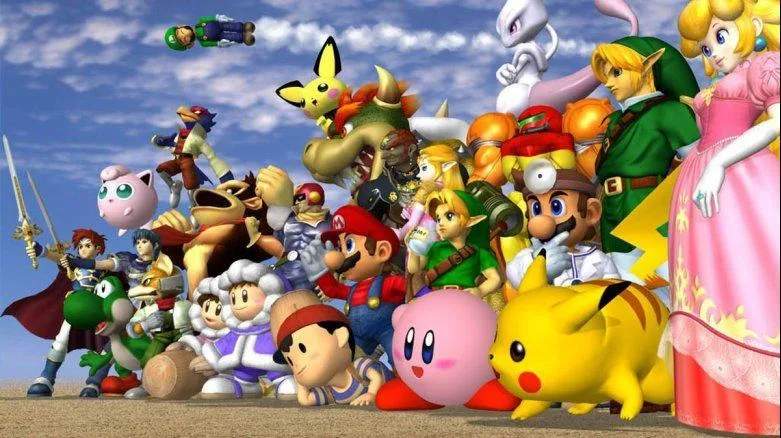
Welcome to the ultimate guide for mastering the battlegrounds of Super Smash Bros. for the Nintendo 64! Understanding each stage's unique layout, hazards, and item spawn points is crucial for victory. This section breaks down every stage available in the original game, offering actionable strategies to turn the environment to your advantage.
Stage Mechanics & General Strategy (N64)
Before diving into individual stages, it's important to understand some core mechanics unique to Super Smash Bros. on the N64:
- Item Spawns: Items appear randomly across the stage. There are no "Assist Trophies" or "Master Balls" in this game. Common items include Beam Swords, Ray Guns, Home-Run Bats, Star Rods, and various healing items. Learning where items tend to drop on each stage can give you an advantage.
- Edge Guarding: This is a fundamental skill. Many stages have ledges that characters can grab. Preventing an opponent from grabbing the ledge or knocking them off as they try to recover is often the fastest way to secure a KO.
- Stage Hazards: Unlike later titles, N64 stages often feature dynamic elements that can directly damage or hinder fighters. Awareness of these hazards is key to survival and can be used to your advantage.
- Blast Zones: Each stage has invisible boundaries (blast zones) that, when crossed, result in a KO. Understanding the size and shape of these zones for each stage helps in determining optimal KO percentages and recovery routes.
Congo Jungle
Deep within Donkey Kong's domain, Congo Jungle is a dynamic stage with a central moving platform and a powerful river current below.
- Layout: A main, stationary platform with two smaller, stationary platforms on either side. A large, circular platform constantly rotates in the center, acting as a primary battleground. Below the main stage is a river with a strong current.
- Strategy:
- Central Platform Control: Dominating the central rotating platform is crucial. It offers excellent positioning for aerial attacks and can be used to juggle opponents. Be mindful of its rotation, as it can inadvertently carry you into danger or off the stage.
- River Hazard: The river below the stage is a significant hazard. Falling into it results in a rapid KO. Characters with poor vertical recovery will struggle immensely if knocked off the main stage. Use attacks that send opponents downwards or horizontally to secure early KOs via the river.
- Side Platforms: The two stationary side platforms offer temporary refuge or a vantage point for projectile characters. They are also excellent for edge guarding opponents trying to recover from the sides.
- Item Spawns: Items frequently appear on the central rotating platform. Contesting these spawns can lead to intense skirmishes.
- Hazards: The most critical hazard is the river below the stage, which instantly KOs any fighter who falls into it. The rotating central platform, while not directly damaging, can disorient players and lead to accidental falls.
Dream Land
Kirby's home stage, Dream Land, is a classic, simple layout with a unique wind hazard that can dramatically alter trajectories.
- Layout: A large main platform with three soft platforms above it. The central platform is slightly higher than the two outer ones. A large tree, Whispy Woods, is in the background.
- Strategy:
- Whispy Woods' Wind: Whispy Woods will periodically blow strong gusts of wind across the stage, pushing fighters horizontally. This is Dream Land's primary hazard and can be used strategically.
- Offensive Use: If an opponent is at high damage near an edge, a well-timed attack combined with Whispy's wind can secure an early KO.
- Defensive Use: The wind can sometimes aid in recovery, pushing you back towards the stage. However, it can also push you further away, so be prepared to adjust your recovery angle.
- Item Interaction: Items caught in the wind will also be pushed, leading to unpredictable bounces.
- Platform Control: The three soft platforms are excellent for extending combos, dodging attacks, and setting up aerials. Characters with strong vertical attacks excel at juggling opponents between these platforms.
- Edge Guarding: The wide main stage provides ample space for edge guarding. Be aware of opponents recovering from below; some characters can snap to the ledge from surprisingly low angles.
- Whispy Woods' Wind: Whispy Woods will periodically blow strong gusts of wind across the stage, pushing fighters horizontally. This is Dream Land's primary hazard and can be used strategically.
- Hazards: Whispy Woods' wind, which blows horizontally across the stage, pushing fighters and items.
Hyrule Castle
Set against the iconic Hyrule Castle, this stage features a large, complex layout with a central structure and dangerous side-platforms.
- Layout: A large, multi-tiered main platform resembling the castle's exterior. There's a central tower, two lower side platforms, and a small, raised platform on the far left. A large, open space exists below the main stage.
- Strategy:
- Central Tower Dominance: The central tower is a key strategic point. Controlling it gives you a height advantage for aerial attacks and projectile usage. However, it can also be a trap if you're cornered.
- Side Platforms & Blast Zones: The two lower side platforms are precarious. They are close to the horizontal blast zones, making KOs from the sides relatively easy. Use strong horizontal attacks to launch opponents off these platforms.
- Below the Stage: The large open area beneath the main stage makes vertical recovery challenging. Characters with limited vertical recovery options will struggle against strong edge guards here.
- Item Spawns: Items can spawn on any of the platforms, including the top of the central tower. Be prepared to fight for control of these valuable resources.
- Hazards: None directly, but the stage's layout with its low side platforms and large open space below makes it easy to get KO'd horizontally or vertically.
Planet Zebes
Samus's home planet, Planet Zebes, is a treacherous stage featuring a rising acid pool that can inflict rapid damage.
- Layout: A main, relatively flat platform with two smaller, stationary platforms above it. Below the main stage is a pool of green acid that periodically rises and falls.
- Strategy:
- Acid Pool Hazard: The rising acid pool is the defining feature of Planet Zebes. When submerged, fighters take rapid, continuous damage.
- Avoidance: Always prioritize getting out of the acid. Characters with good vertical recovery can temporarily escape by jumping to the upper platforms.
- Offensive Use: Knocking opponents into the acid, especially at high damage, can lead to quick KOs. Use downward-angled attacks or throws to force opponents into the pool.
- Recovery: Be extremely careful when recovering from below the stage if the acid is rising. A mistimed recovery can mean a quick KO.
- Upper Platforms: The two upper platforms offer a safe haven from the acid and good positions for aerial attacks. Control of these platforms can be vital during the acid's rise.
- Edge Guarding: The main stage is relatively wide, providing opportunities for edge guarding. However, the rising acid can complicate recovery for both you and your opponent.
- Acid Pool Hazard: The rising acid pool is the defining feature of Planet Zebes. When submerged, fighters take rapid, continuous damage.
- Hazards: The rising and falling acid pool below the main stage. Contact with the acid inflicts continuous damage.
Saffron City
Set atop a skyscraper in Saffron City, this stage offers a dynamic background with Pokémon appearing and a dangerous rooftop landing pad.
- Layout: A large, flat main platform representing a skyscraper rooftop. Two smaller, stationary platforms are positioned above the main stage. A helicopter landing pad periodically appears and disappears on the right side of the stage.
- Strategy:
- Rooftop Landing Pad: This pad periodically descends onto the right side of the stage. If a fighter is caught underneath it when it lands, they will take significant damage and be launched.
- Avoidance: Pay attention to the pad's shadow and sound cues. Move away from its landing zone when it's about to descend.
- Offensive Use: Skilled You can try to bait opponents into the landing zone or even throw them into it for a powerful KO.
- Pokémon Appearances: Various Pokémon (e.g., Porygon, Chansey, Electrode) will appear from the building in the background. While they don't directly interact with fighters, they add visual flair and can occasionally obscure vision.
- Platform Control: The two upper platforms provide good vantage points and are useful for extending combos or dodging attacks.
- Edge Guarding: The main stage is wide, offering ample space for edge guarding. The open space below the stage makes vertical recovery crucial.
- Rooftop Landing Pad: This pad periodically descends onto the right side of the stage. If a fighter is caught underneath it when it lands, they will take significant damage and be launched.
- Hazards: The helicopter landing pad that periodically descends on the right side of the stage, damaging and launching fighters caught underneath it.
Sector Z
A massive, sprawling stage set on the Great Fox from Star Fox, Sector Z is known for its sheer size and the occasional Arwing fly-by.
- Layout: An extremely large main platform representing the top of the Great Fox. Two smaller, stationary platforms are positioned above the main stage. The stage is significantly wider than most others.
- Strategy:
- Large Stage Size: Sector Z's immense size means KOs often happen at higher percentages. It also makes it harder to chase down opponents. Characters with good mobility or projectiles can thrive here.
- Arwing Fly-bys: Occasionally, Arwing ships will fly across the background. While they don't directly interact with fighters, they add to the chaotic atmosphere.
- Platform Control: The two upper platforms are far apart due to the stage's width. Controlling them can provide strategic advantages for ranged attacks or for escaping pressure.
- Recovery Challenges: While the stage is wide, the horizontal blast zones are still present. Recovering from far distances can be challenging, especially against characters with strong edge guarding capabilities.
- Item Spawns: Due to the large size, items can spawn in many different locations. Be prepared to cover a lot of ground to collect them.
- Hazards: None directly, but the sheer size of the stage means battles can be drawn out, and recovery from far off-stage can be very difficult.
Yoshi's Island
Yoshi's Island is a vibrant stage with a unique sloped main platform and the occasional appearance of clouds.
- Layout: A main platform with a distinct slope on its left side. Two smaller, stationary platforms are above the main stage. A large "cloud" platform periodically appears and disappears on the far left side of the stage.
- Strategy:
- Sloped Main Platform: The slope on the left side of the main stage can significantly alter attack trajectories and character movement.
- Offensive Use: Attacks that hit opponents into the slope can lead to unexpected bounces and combo extensions. Downward-angled attacks can be particularly effective.
- Defensive Use: The slope can sometimes help in recovering or escaping pressure by providing an uneven surface.
- Disappearing Cloud Platform: The cloud platform on the far left is temporary. It appears, stays for a short duration, and then vanishes.
- Temporary Refuge: It can be used as a temporary safe spot or for extending recovery, but do not rely on it for long.
- Vulnerability: Being caught on the cloud as it disappears can leave you vulnerable to attack or send you falling off-stage.
- Platform Control: The two stationary platforms provide standard aerial combat opportunities.
- Edge Guarding: The sloped edge can make edge guarding tricky but also opens up possibilities for unique KO setups.
- Sloped Main Platform: The slope on the left side of the main stage can significantly alter attack trajectories and character movement.
- Hazards: The disappearing cloud platform on the left side of the stage.
Mushroom Kingdom
Mario's home stage, Mushroom Kingdom, is a side-scrolling stage with pipes that can transport fighters and a hidden block that spawns items.
- Layout: A long, horizontally scrolling stage with multiple platforms, pipes, and blocks. The stage scrolls from left to right, then loops back. There are two warp pipes on the main ground level.
- Strategy:
- Horizontal Scrolling: The stage constantly moves, pushing fighters towards the right. This means the left edge is a constant threat.
- Stay Right: Always try to stay towards the right side of the screen to avoid being scrolled off the left edge.
- Edge Guarding: The scrolling nature makes edge guarding on the left side incredibly potent. Knocking an opponent off the left edge often results in an early KO.
- Warp Pipes: The two green pipes on the ground level are functional. Entering one will warp you to the other.
- Escape & Pursuit: Use pipes to escape dangerous situations or to quickly pursue an opponent.
- Surprise Attacks: You can emerge from a pipe with an attack, catching opponents off guard.
- Hidden Block: There is a specific block on the stage that, when hit, will spawn an item (usually a Super Mushroom or Poison Mushroom).
- Item Generation: Learn the location of this block and prioritize hitting it to gain valuable items.
- Beware of Poison: Be cautious, as the block can also spawn a Poison Mushroom, which shrinks your character and makes you more vulnerable.
- Platform Variety: The stage features various small platforms and blocks, offering diverse combat scenarios.
- Horizontal Scrolling: The stage constantly moves, pushing fighters towards the right. This means the left edge is a constant threat.
- Hazards: The constant horizontal scrolling towards the right, which can push fighters off the left blast zone. The hidden block can also spawn Poison Mushrooms.