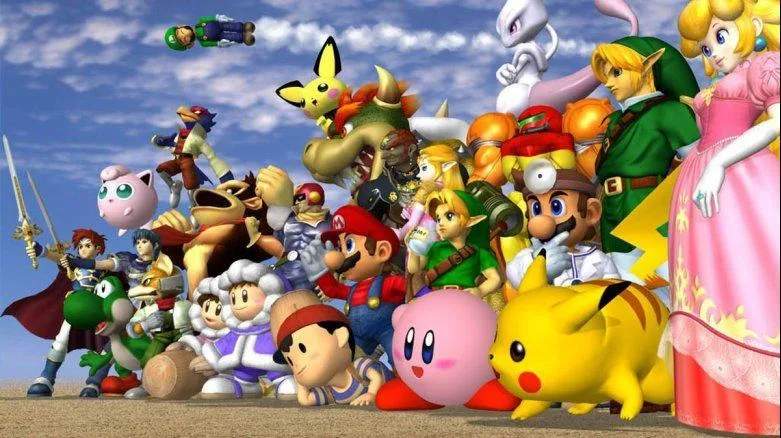
Character Bios & Ending Screens: A Glimpse into Nintendo's Pantheon
While the Nintendo 64 iteration of Super Smash Bros. doesn't feature the extensive "Trophy Gallery" system seen in later titles, it nonetheless offers dedicated players a rewarding journey into the lore and personalities of its iconic combatants. Instead of collectible 3D models, the game provides rich character bios and unique ending screens for each fighter, serving as a foundational element for the series' deep appreciation of Nintendo history. This section will guide you through uncovering these narrative gems and appreciating the early efforts to imbue the game with character-specific flavor.
Unlocking Character Bios: Your Introduction to the Fighters
Every character in Super Smash Bros. on the N64 comes with a dedicated bio, offering a brief but insightful overview of their origins, abilities, and significance within the Nintendo universe. These bios are accessible directly from the character selection screen once a fighter is unlocked.
- Accessing Bios: To view a character's bio, simply select the character on the character select screen and then choose the "Bio" option if available. For starter characters, their bios are immediately accessible.
- Unlocking Hidden Character Bios: The game features four hidden characters. To view their bios, you must first unlock them through specific gameplay achievements. Once unlocked, their bios become available just like the starter characters.
Hidden Character Unlock Guide:
Unlocking all characters is essential for accessing their unique bios and completing your roster. Follow these steps:
- Luigi:
- Method: Complete the "Break the Targets" mini-game with all 8 starter characters.
- Strategy: Each character has a unique target layout. Practice is key. Focus on efficient movement and using each character's specific attacks (e.g., Mario's cape, Link's boomerang) to hit targets quickly.
- Reward: Luigi becomes playable and his bio is unlocked.
- Jigglypuff:
- Method: Complete Classic Mode once with any character.
- Strategy: This is one of the easiest unlocks. Simply play through Classic Mode on any difficulty.
- Reward: Jigglypuff becomes playable and her bio is unlocked.
- Captain Falcon:
- Method: Complete Classic Mode in under 20 minutes with any character.
- Strategy: Choose a fast character you are proficient with (e.g., Fox, Captain Falcon if you've played before). Play on a lower difficulty to minimize time spent on individual matches. Avoid unnecessary KOs and focus on quick finishes.
- Reward: Captain Falcon becomes playable and his bio is unlocked.
- Ness:
- Method: Complete Classic Mode on Normal difficulty or higher with three lives, without continuing.
- Strategy: This requires a bit more skill. Choose your strongest character. Focus on survival and efficient combat. Avoid risky plays. If you lose all three lives, you must restart the run.
- Reward: Ness becomes playable and his bio is unlocked.
Character Bios: A Deep Dive into the Lore
Each character bio provides a concise yet informative summary, often highlighting their debut game, key characteristics, and signature abilities. These serve as a fantastic primer for players unfamiliar with certain Nintendo franchises.
Example Bio Structure (Hypothetical for guide purposes):
While the in-game bios are text-only, imagine them structured like this:
| Character | Origin Game | Key Traits/Abilities | Significance |
|---|---|---|---|
| Mario | Donkey Kong (1981), Super Mario Bros. (1985) | Plumber from the Mushroom Kingdom, known for jumping, fireballs, and heroic rescues. | Nintendo's flagship character, hero of countless adventures. |
| Link | The Legend of Zelda (1986) | Hero of Hyrule, wielder of the Master Sword and Hylian Shield, master of various items. | The chosen hero destined to defeat Ganon and save Princess Zelda. |
| Samus Aran | Metroid (1986) | Galactic bounty hunter, equipped with a powerful Power Suit, known for her arm cannon and morph ball. | One of the first prominent female protagonists in gaming, protector of the galaxy. |
| Pikachu | Pokémon Red and Blue (1996) | Electric-type Pokémon, known for its lightning-fast attacks and loyal companionship. | The most recognizable Pokémon, mascot of the franchise. |
| Fox McCloud | Star Fox (1993) | Leader of the Star Fox team, ace pilot of the Arwing, skilled in hand-to-hand combat. | A space mercenary who defends the Lylat System from threats like Andross. |
Why these bios matter: For many players, Super Smash Bros. was their first exposure to characters from different Nintendo franchises. These bios provided crucial context, sparking interest in games like F-Zero, EarthBound, or Metroid that they might not have otherwise encountered.
Ending Screens: The Fruits of Your Labor
Upon successfully completing Classic Mode with any character, you are treated to a unique ending screen. These screens are not just static images; they often feature dynamic poses, character interactions, or humorous scenarios that further flesh out the personality of the fighter you just played as. Collecting all of these endings is a significant achievement for any completionist.
How to Obtain Ending Screens:
- Complete Classic Mode: The primary method for unlocking an ending screen is to successfully clear Classic Mode with a specific character. This applies to all 12 characters, including the four hidden ones.
- Difficulty Does Not Matter: You can complete Classic Mode on any difficulty setting (Very Easy, Easy, Normal, Hard, Very Hard) to unlock the character's ending screen. However, playing on higher difficulties can be a fun challenge and test your mastery of the character.
- No Continues Required: Unlike some unlock conditions, using continues in Classic Mode will not prevent you from seeing the ending screen.
The Value of Ending Screens:
- Character Personality: Each ending screen is tailored to the character, often showcasing their unique traits or a humorous take on their victory. For example, Mario might be seen celebrating with Princess Peach, while Link might be standing triumphantly over Ganon's defeat.
- Nostalgia and Fan Service: These endings are a direct nod to the characters' home series, often referencing iconic moments or relationships. They are a treat for long-time fans and an engaging visual reward for new players.
- Completionist Goal: For players aiming to experience everything the N64 Super Smash Bros. has to offer, collecting all 12 unique ending screens is a key objective. It signifies true mastery of the roster.
Maximizing Your Lore Discovery Efforts
- Play with Every Character: The most straightforward way to experience all the bios and ending screens is to play through Classic Mode with every single character, including the four hidden ones once unlocked.
- Experiment with Difficulties: While not strictly necessary for unlocking bios or endings, playing on higher difficulties can deepen your understanding of each character's moveset and strategies, making the journey to their ending more engaging.
- Revisit Bios: Don't just read a bio once. As you play more of Super Smash Bros. and potentially explore the characters' original games, revisiting their bios can provide new context and appreciation.
- Share with Friends: Discussing the character bios and ending screens with friends can be a fun way to share knowledge about Nintendo's vast universe and appreciate the game's subtle nods to its heritage.
While Super Smash Bros. on the N64 predates the intricate Trophy Gallery system, its character bios and unique ending screens laid the groundwork for the series' deep commitment to celebrating Nintendo's rich history. Enjoy uncovering these early narrative elements and connecting with the origins of your favorite fighters!