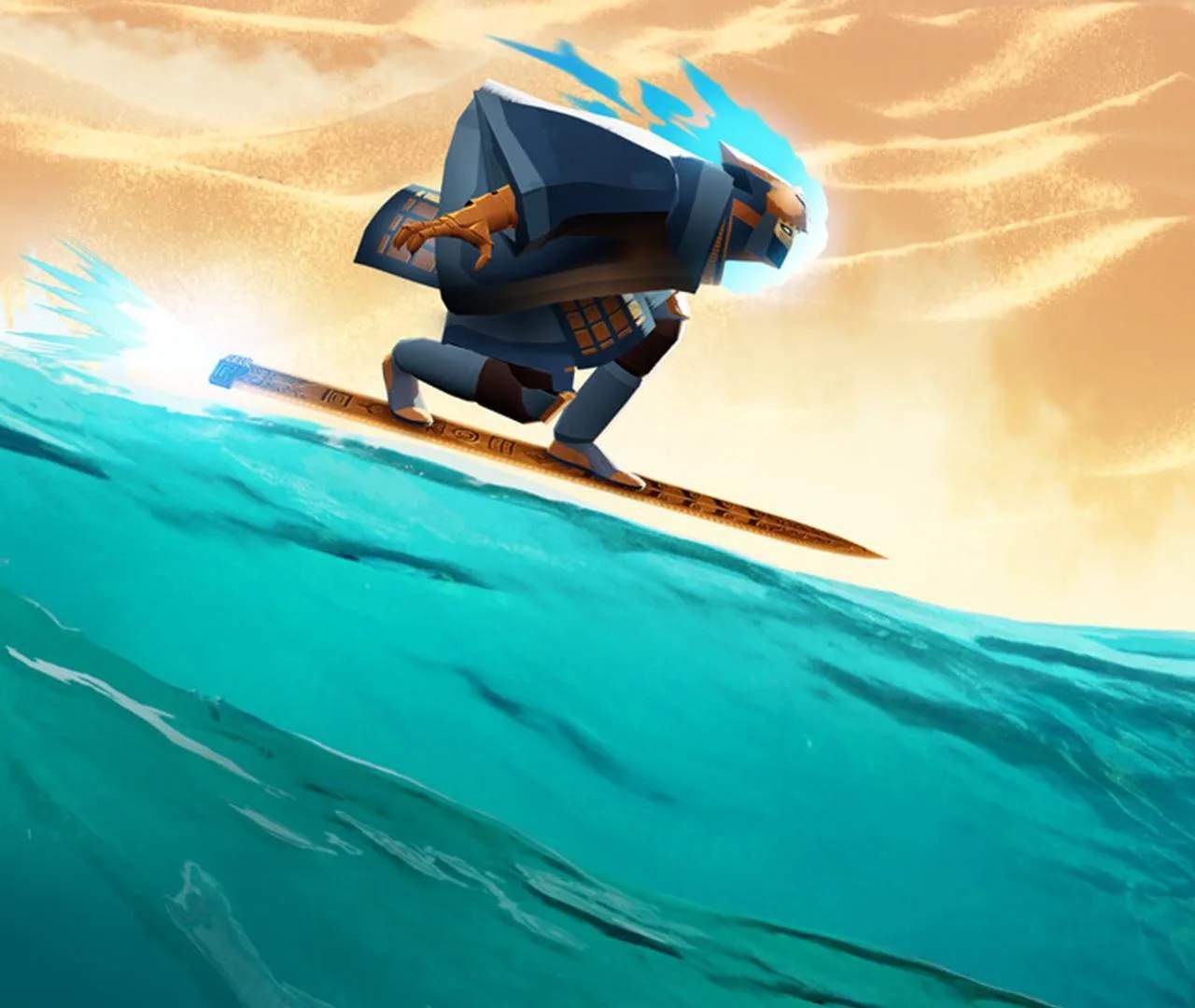
Progression and Upgrades are the cornerstones of character development in Sword of the Sea. As you venture through the treacherous waters and ancient ruins, you'll constantly seek ways to enhance your hero's capabilities, from increasing raw power to unlocking new abilities and improving survivability. Mastering these systems is key to overcoming the game's toughest challenges.
Core Progression Mechanics
Sword of the Sea employs several interconnected systems to drive player progression:
- Experience Points (XP) and Leveling: Defeating enemies, completing quests, and discovering new areas grant experience points. Accumulating enough XP leads to leveling up, which typically rewards players with Attribute Points and sometimes Skill Points or new abilities.
- Attribute Points: As mentioned in Section 1, these points are crucial for customizing your character's core stats (Strength, Dexterity, Vitality, Intellect, Wisdom). Strategic allocation allows you to tailor your hero to your preferred playstyle.
- Skill Trees/Abilities: Many characters will have access to unique skill trees or ability sets. Investing Skill Points (often gained through leveling or specific quests) unlocks new active abilities, passive buffs, or enhances existing ones.
Gear and Equipment Upgrades
Your equipment plays a pivotal role in your character's power. Upgrading your gear can significantly boost your combat effectiveness.
| Gear Type | Upgrade Method | Impact |
|---|---|---|
| Weapons | Crafting, Enchanting, Finding Higher Tier Weapons | Increased damage, attack speed, elemental damage, special effects |
| Armor (Body, Head, Hands, Legs, Feet) | Crafting, Enchanting, Finding Higher Tier Armor | Increased defense, resistances (elemental, physical), health, mana |
| Accessories (Rings, Amulets) | Finding, Crafting, Quest Rewards | Attribute boosts, resistances, unique passive effects, utility bonuses |
Crafting and Enchanting
Crafting and enchanting are vital for creating and improving your gear:
- Crafting: You can gather various materials (ores, herbs, monster parts, wood) from the world to craft new weapons, armor, potions, and other items. This often requires visiting specific crafting stations and having the necessary skill level.
- Enchanting: This process allows players to imbue their existing gear with magical properties. By using magical essences or runes, you can add elemental damage to weapons, increase resistances on armor, or grant passive bonuses to accessories. Higher-level enchants often require rarer materials and higher enchanting skill.
Progression Through Quests and Exploration
Beyond direct upgrades, the game's structure encourages progression:
- Main Story Quests: These quests typically guide you through the game's narrative, unlocking new regions, introducing key characters, and often culminating in boss fights that yield significant rewards and progression.
- Side Quests: These optional quests offer additional challenges, lore, and rewards, including experience, gold, unique items, and sometimes even crafting recipes or skill points.
- Exploration: Discovering new areas, hidden caves, and secret locations often leads to valuable loot, rare crafting materials, and hidden challenges that contribute to your overall progression.
Boss Fights as Progression Gates
Many of the game's major bosses serve as gatekeepers, blocking access to new areas or critical story progression. Defeating them requires a combination of strong gear, well-allocated attributes, and a mastery of combat mechanics. The rewards from these fights are often substantial, providing powerful new equipment or access to crucial upgrades.
By understanding and leveraging these interconnected systems of leveling, attribute allocation, gear upgrades, crafting, and questing, You can effectively progress through Sword of the Sea, becoming increasingly powerful and capable of facing the game's ultimate challenges.