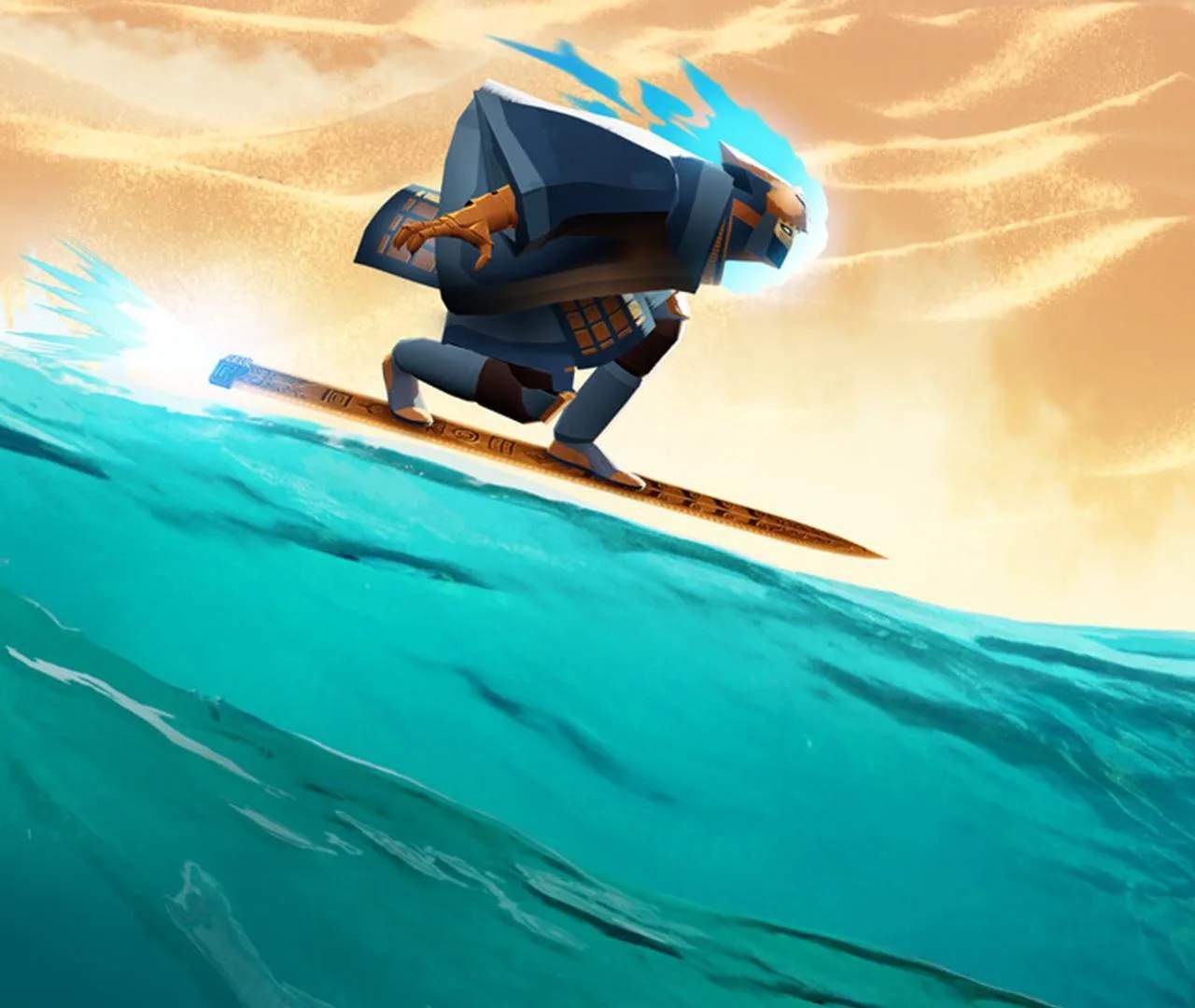
Weapons
Weapons are the primary tools for engaging in combat in Sword of the Sea, defining your offensive capabilities and influencing your character's playstyle. From swift daggers to devastating cannons, the variety of armaments available allows for diverse combat approaches.
Choosing the right weapon for your character's build and the situation at hand is crucial for success. This section explores the different weapon types, their characteristics, and how they fit into the game's combat system.
Weapon Categories
Sword of the Sea features a wide array of weapons, generally categorized by their use and type:
- Melee Weapons: Used for close-quarters combat. These are further divided by type:
- Swords: Balanced in speed and damage, often with good critical hit potential. Can be one-handed or two-handed.
- Axes: Typically deal higher damage than swords, sometimes with armor-piercing properties, but can be slower.
- Maces/Hammers: Slower but deliver crushing blows, often with a chance to stun or stagger enemies.
- Daggers: Fast, low base damage, but excel with critical hits, stealth attacks, and poison applications.
- Polearms: Longer reach, good for controlling space and hitting multiple targets.
- Ranged Weapons: Used for engaging enemies from a distance.
- Bows: Require ammunition (arrows), offer good range and accuracy.
- Crossbows: Slower to reload than bows but often deal higher damage per shot.
- Firearms (Pistols, Muskets): Offer high damage and unique effects, but have limited ammunition and slower reload times.
- Ship Cannons: Mounted on your vessel for naval combat.
- Standard Cannonballs: Deal hull damage.
- Chain Shot: Designed to damage sails and rigging, slowing enemy ships.
- Grape Shot: Effective against enemy crews during boarding actions or at close range.
- Explosive Shot: Deals area-of-effect damage and can ite ships.
Weapon Attributes and Stats
Each weapon comes with a set of stats that determine its effectiveness:
- Damage: The base amount of damage the weapon inflicts.
- Attack Speed: How quickly the weapon can be swung or fired.
- Critical Hit Chance/Damage: The likelihood of landing a critical hit and the bonus damage it deals.
- Reach: The effective range of the weapon (especially important for melee).
- Armor Penetration: The weapon's ability to bypass enemy armor.
- Elemental Damage: Some weapons may deal additional damage of a specific element (fire, ice, lightning).
- Special Effects: Unique properties like stun chance, bleed, poison application, or debuffs.
- Attribute Scaling: Weapons often scale with specific character attributes (e.g., Strength for swords, Dexterity for daggers).
Acquiring Weapons
You can obtain weapons through various means:
- Purchasing from Merchants: Shops in towns and ports offer several weapons, with higher-tier items becoming available as you progress.
- Looting Enemies: Defeated enemies often drop their weapons, which can be of varying quality.
- Quest Rewards: Completing quests, especially those involving combat or specific factions, can yield unique or powerful weapons.
- Crafting: Using gathered resources and crafting recipes, you can create your own weapons, often with custom stats and effects.
- Treasure Chests: Hidden chests found in dungeons, shipwrecks, or secret locations can contain valuable armaments.
Choosing the Right Weapon
Your weapon choice should al with your character's build and the combat scenario:
- For Warriors: Focus on Strength-scaling weapons like greatswords, axes, or maces.
- For Rogues: Daggers, short swords, and pistols are ideal for quick strikes and critical hits.
- For Archers/Rangers: Bows and crossbows are your primary tools.
- For Naval Combat: Equip your ship with several cannons suited to different targets (hull, sails, crew).
Experiment with different weapon types to find what best suits your playstyle and the challenges you face in Sword of the Sea.