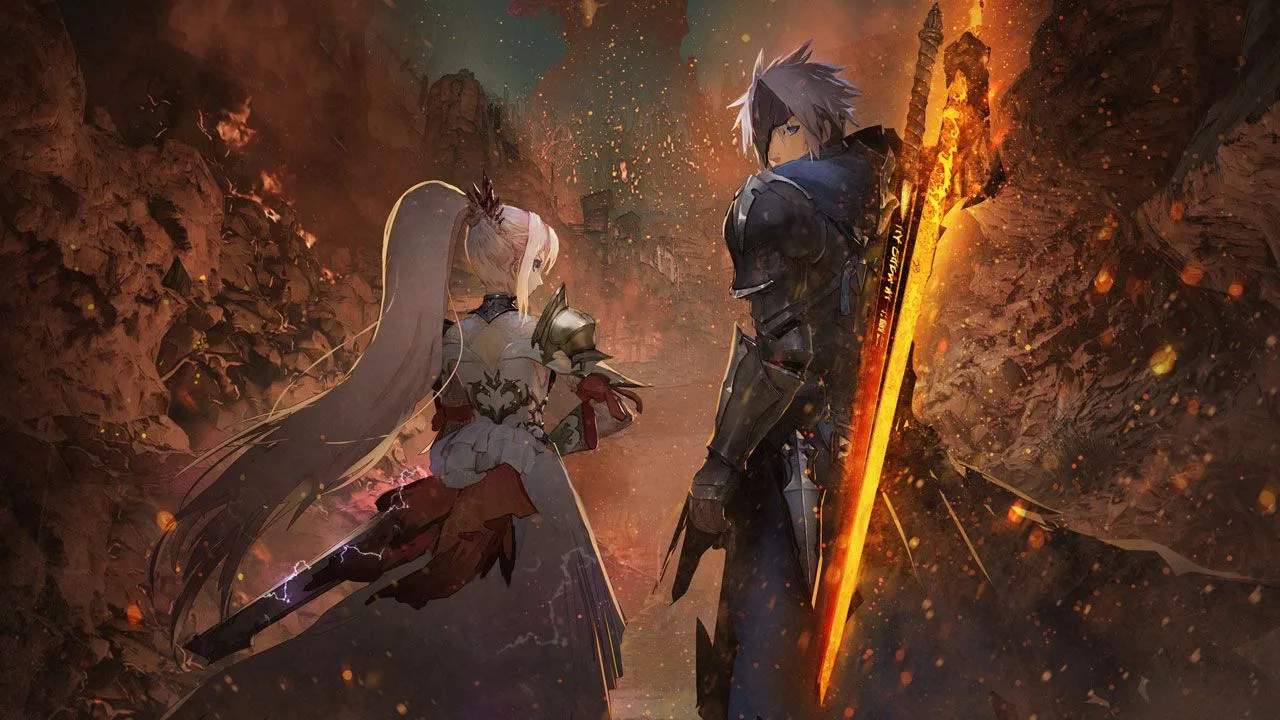
Weapons & Armor
In the world of Dahna, your journey to liberate its people from the Renan oppressors hinges significantly on the strength and strategic application of your equipment. Weapons and armor are not merely stat sticks; they are crucial components of your combat strategy, offering unique skills, elemental advantages, and defensive properties that can turn the tide of battle. Understanding the nuances of gear acquisition, crafting, and optimization is paramount for any aspiring freedom fighter.
Understanding Weapon & Armor Stats
Every piece of equipment you wield or wear contributes to your character's overall effectiveness in combat. Here's a breakdown of the core stats:
- Weapons: Primarily boost a character's Attack (physical damage) and Elemental Attack (elemental damage). Some weapons may also offer minor boosts to other stats like Agility or Critical Rate.
- Armor: Primarily boosts a character's Defense (physical damage reduction) and Elemental Defense (elemental damage reduction). Like weapons, some armor pieces can provide secondary stat increases.
Strategic Considerations for Gear Selection
While equipping the "strongest" gear (highest raw Attack/Defense) is a good baseline, a truly effective strategy involves looking beyond mere numbers. Consider the following:
1. Elemental Properties & Resistances
Many weapons and armor pieces in Tales of Arise possess elemental affiliations or offer specific elemental resistances. This is crucial for optimizing your damage output and survivability:
- Elemental Weapons: Some weapons inherently deal elemental damage (e.g., a Fire Sword). Using these against enemies weak to that element will significantly increase your damage. Conversely, using them against resistant enemies will reduce your effectiveness. Always check enemy weaknesses via the Battle Records or by observing their elemental attacks.
- Elemental Armor: Armor can provide resistance to specific elements (e.g., +15% Fire Resistance). When facing a boss or group of enemies that primarily use a certain element (e.g., the Blazing Sword boss, which uses fire attacks), equipping armor with high resistance to that element can drastically reduce incoming damage and conserve healing resources.
2. Unique Weapon Skills (Weapon Artes)
This is perhaps the most critical strategic element of weapon choice. Every weapon in Tales of Arise, once equipped, allows the character to learn a specific Weapon Arte. These are powerful, unique skills that can range from new attack patterns to defensive buffs or healing abilities. Once learned, an Arte is permanently added to that character's repertoire, even if you switch to a different weapon.
- Learning Artes: To learn a Weapon Arte, simply equip the weapon and use it in combat. The Arte will gradually gain proficiency (indicated by a progress bar on the weapon's details screen). Once the bar is full, the Arte is learned.
- Prioritizing Arte Learning: Early in the game, prioritize equipping new weapons to learn their unique Artes. Even if a weapon has slightly lower stats than your current best, the long-term benefit of adding a new Arte to your toolkit often outweighs the temporary stat decrease. For example, Alphen's Infernal Torrent (learned from the Ignis Blade) is a powerful fire-elemental attack that is invaluable against ice-weak enemies.
- Optimal Arte Combinations: Once you've learned many Artes, you can then equip the weapon with the highest stats while still having access to all previously learned skills. This allows for highly customizable and potent combat builds.
3. Accessory Slots & Effects
While not strictly weapons or armor, accessories complement your gear by providing additional stat boosts, resistances, or unique effects. Each character has two accessory slots. Crafting and upgrading accessories at the Engraver is essential for fine-tuning your build. Look for accessories that:
- Boost a character's primary damage stat (e.g., Attack for Alphen, Elemental Attack for Shionne).
- Provide resistance to common elemental threats in an area.
- Offer utility, such as increased Agility, Critical Rate, or reduced Arte usage costs.
Acquiring New Gear: Crafting vs. Purchasing
There are two primary methods for obtaining new weapons and armor:
1. Purchasing from Merchants
Merchants in towns and camps offer a selection of basic weapons and armor. These are often a good way to get immediate upgrades when you first arrive in a new region. However, purchased gear rarely offers the unique benefits or high stats of crafted items.
- Pros: Instant availability, no material gathering required.
- Cons: Generally lower stats than crafted gear, no unique Weapon Artes (unless it's a specific story-related purchase), can be expensive.
2. Crafting at Blacksmiths
Crafting is the most reliable way to obtain powerful and specialized gear. Blacksmiths are found in most major towns. To craft an item, you'll need:
- Materials: Gathered from defeated enemies, mining points (glowing resource nodes), fishing, or found in chests. Different items require different materials.
- Gald: A crafting fee is always required.
Crafting Strategy:
- Prioritize New Recipes: Blacksmiths will often have new recipes available after certain story progression points or after you've gathered specific rare materials. Always check for new craftable items.
- Material Farming: If you're short on materials for a crucial upgrade, consult your Battle Records to see which enemies drop the required items, then revisit those areas. Mining points respawn over time, so revisit them regularly.
- Early Game Crafting: Focus on crafting weapons that unlock new Weapon Artes for your party members. This expands their combat versatility significantly.
- Late Game Crafting: Concentrate on crafting the highest-tier weapons and armor, often requiring rarer materials from powerful enemies or optional areas. These pieces will have superior stats and potentially unique passive effects.
Optimizing Your Loadout: A Step-by-Step Approach
- Assess Current Needs: Before entering a new area or facing a boss, check the enemy types and their elemental affinities/weaknesses.
- Prioritize Weapon Artes: If any character has an unlearned Weapon Arte on an equipped weapon, use that weapon until the Arte is learned.
- Craft New Gear: Check the blacksmith for any new recipes that offer significant stat upgrades or beneficial elemental properties for the upcoming challenges. Gather materials as needed.
- Equip Best Stats (Post-Artes): Once all desired Weapon Artes are learned, equip the weapon with the highest Attack/Elemental Attack for damage dealers, and the armor with the highest Defense/Elemental Defense for all characters.
- Elemental Countering: If facing a strong elemental threat, prioritize armor with high resistance to that element, even if its raw Defense is slightly lower.
- Accessory Fine-Tuning: Equip accessories that complement your character's role (e.g., Attack boost for Alphen, Elemental Attack for Shionne, Defense for Kisara) or provide specific resistances.
- Upgrade Accessories: visit the Engraver to upgrade your accessories, as this significantly boosts their effectiveness.
Common Pitfalls & Missables
- Ignoring Weapon Artes: Many players simply equip the highest-stat weapon and miss out on learning crucial skills. Always prioritize learning Artes, especially early on.
- Underestimating Elemental Resistances: In later game boss fights, ignoring elemental resistances can lead to quick party wipes. Always adapt your armor.
- Hoarding Materials: Don't be afraid to use your materials for crafting. While some rare materials are for ultimate gear, most common materials are plentiful. Crafting upgrades as you go makes the game significantly easier.
- Not Checking Merchants/Blacksmiths: New gear becomes available frequently. Make it a habit to check both merchants and blacksmiths in every new town you visit.
By thoughtfully managing your weapons and armor, understanding their unique properties, and strategically choosing between crafting and purchasing, you'll ensure your party is always ready to face the challenges of Dahna and emerge victorious.
Compare weapons & armor inTales of Vesperia: Definitive Edition