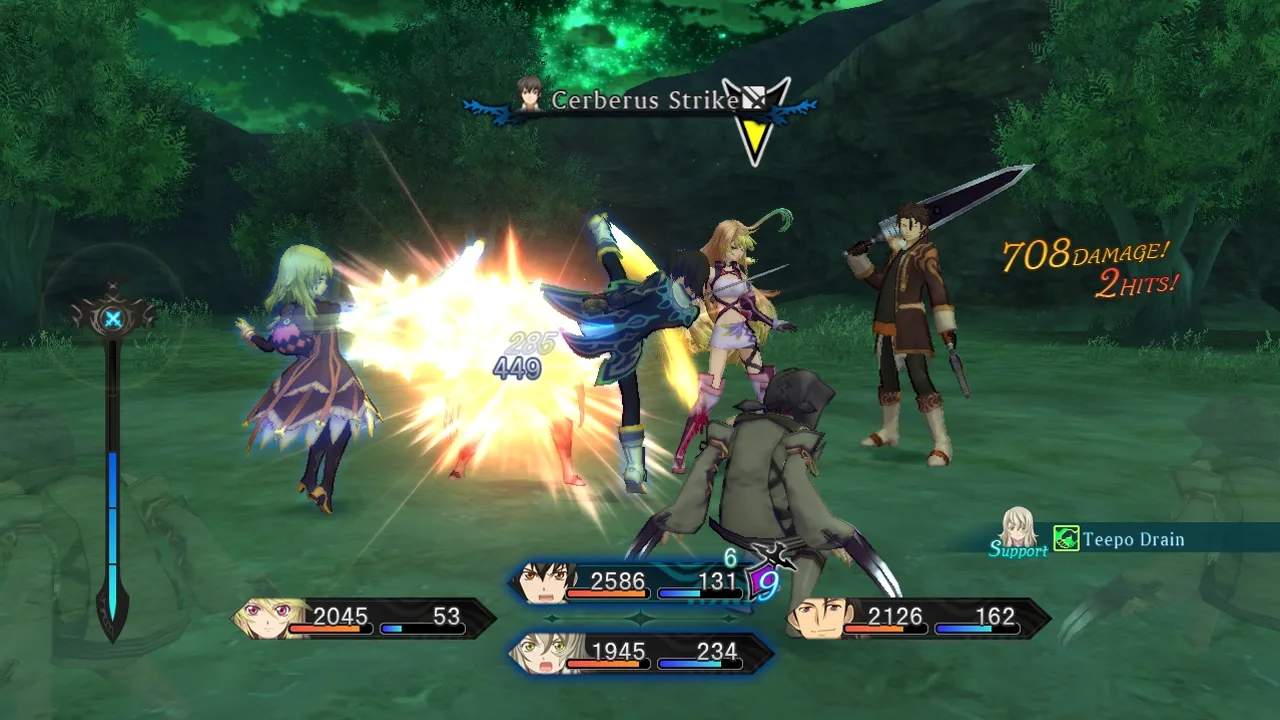
Voice Acting & Localization
Tales of Xillia offers a rich auditory experience, and understanding its voice acting and localization choices can significantly enhance your playthrough. The game provides both English and Japanese voice tracks, allowing players to choose their preferred immersion. This section will guide you through managing these options and highlight some key aspects of the localization.
Switching Voice Tracks
Changing between the English and Japanese voice acting is a straightforward process, but it's important to know when and where you can make this adjustment. This setting applies globally to all voiced dialogue, including skits, cutscenes, and battle cries.
- Accessing the Option: From the World Map or during general exploration (not in combat or a cutscene), press the START button to open the Main Menu.
- Navigation:
- Select "System" from the Main Menu.
- Choose "Options."
- Navigate to the "Sound Settings" tab.
- Locate the "Voice Language" option.
- Selection: You will have two choices: "English" or "Japanese." Select your desired language and confirm your choice. The change will take effect immediately.
Pro-Tip: While you can switch languages at any time through the menu, many players find it beneficial to stick with one throughout a playthrough for consistency. However, if you're curious about specific character portrayals, feel free to experiment!
Understanding Localization Choices
The localization team for Tales of Xillia made several deliberate choices to adapt the game for Western audiences. These decisions often impact the tone, humor, and even character nuances. Being aware of these can deepen your appreciation for the game's narrative.
Dialogue and Script Adaptation
The English script is not a direct, word-for-word translation of the Japanese. Instead, it's an adaptation that aims to convey the original meaning and emotional impact while making it sound natural in English. This can sometimes lead to:
- Cultural Nuances: Jokes or references specific to Japanese culture might be altered or replaced with Western equivalents to maintain humor and understanding.
- Character Personalities: While the core personalities remain, certain characters might have slightly different speech patterns or catchphrases in English to better resonate with the target audience. For instance, Rowen's more formal speech or Jude's earnestness might be emphasized differently.
- Skits: Pay close attention to skits, as these often contain some of the most noticeable differences in dialogue adaptation. The comedic timing and delivery can vary significantly between the two languages.
Voice Actor Performances
Both the English and Japanese voice casts deliver strong performances, but they bring different interpretations to their roles:
- English Cast: Features a roster of experienced voice actors who bring a distinct flavor to each character. Listening to the English track can provide a familiar and accessible experience for many players.
- Japanese Cast: The original performances offer the intended emotional delivery and nuances as envisioned by the developers. Many fans prefer the original Japanese for its authenticity and the established reputation of its voice actors within the JRPG community.
Recommendation: If you're playing for the first time, try both! Play the first few hours in English, then switch to Japanese for a while to see which you prefer. Some players even opt for Japanese audio with English subtitles for a blend of authenticity and understanding.
Subtitles and Text
Regardless of your chosen voice language, the game's on-screen text, including menus, item descriptions, and subtitles, will remain in the language selected for your PlayStation 3 system. Ensure your PS3's system language is set to English if you wish to read the game's text in English.
- Subtitle Display: Subtitles for spoken dialogue can be toggled on or off in the "Sound Settings" menu, alongside the "Voice Language" option. It's generally recommended to keep them on, especially if you're listening to the Japanese track.
- Item Descriptions: The localization extends to all in-game text. Pay attention to item descriptions (e.g., "Life Bottle," "Apple Gel"), character bios, and lore entries in the Library for consistent and well-translated information.
By actively engaging with these options and understanding the localization process, you can tailor your Tales of Xillia experience to your personal preferences and gain a deeper appreciation for the effort put into bringing this world to life.