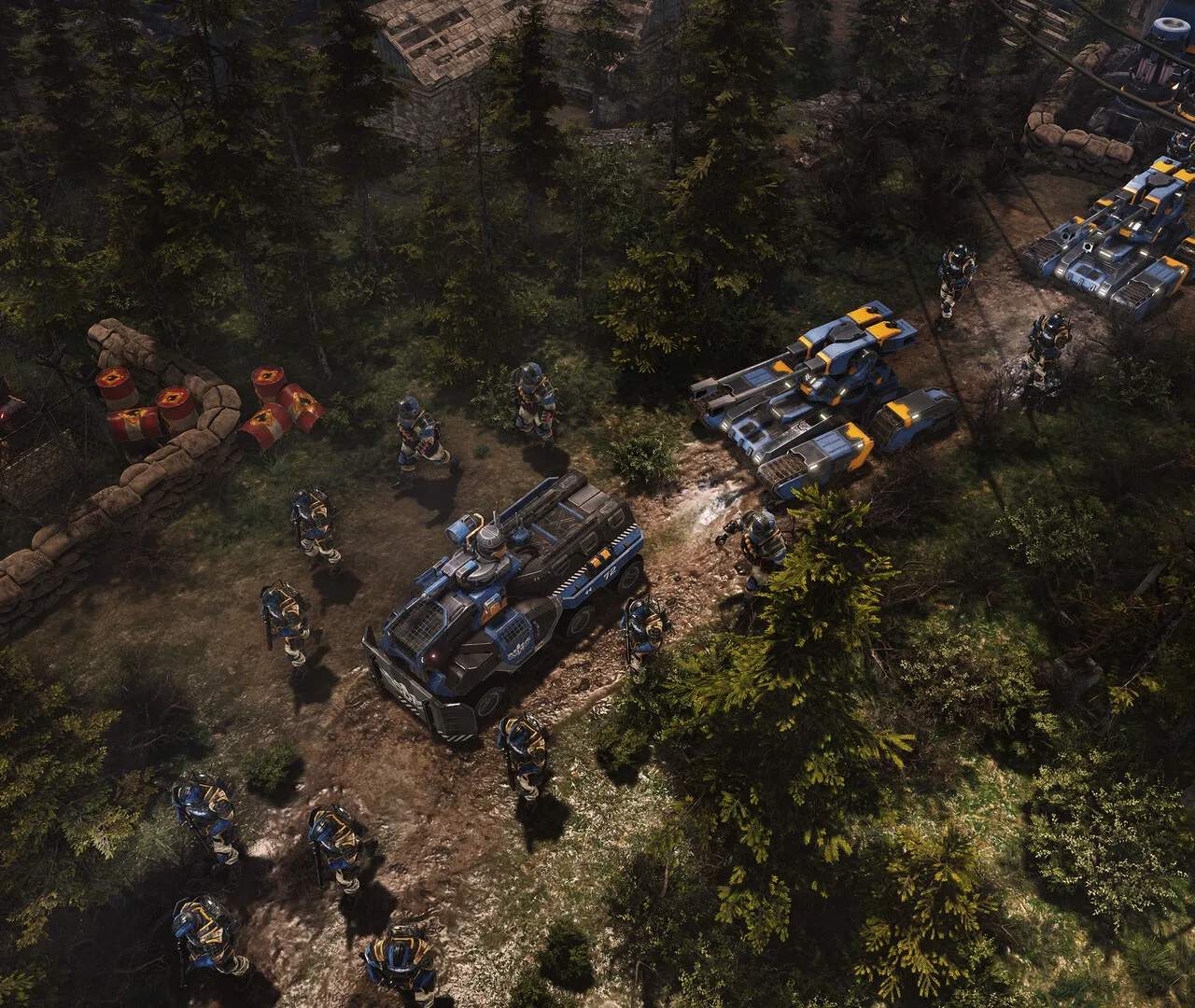
Blacksmithing is a vital crafting profession in Tempest Rising, allowing players to forge and repair weapons and armor from raw ores and metals. Mastering this skill is essential for equipping yourself and your allies with the best possible gear, as well as for participating in the game's economy.
The Role of the Blacksmith
Blacksmiths are the backbone of Atheria's martial prowess. They transform raw, unrefined metals into the tools of war and defense that adventurers rely on. From simple iron daggers to gleaming plate armor, the blacksmith's forge is where durability and power are born. Beyond creating new items, blacksmiths also play a crucial role in maintaining existing gear through repairs, ensuring that even the most battle-worn equipment remains effective.
Getting Started with Blacksmithing
To begin your journey as a blacksmith, you'll typically need to find a blacksmithing trainer, often located in major towns or cities. After learning the basics, you'll gain access to a blacksmithing station, usually a forge and anvil found in the same settlements. Your initial recipes will likely be for basic items like iron daggers or leather bracers, requiring common ores like Iron Ore and Copper Ore.
Crafting Process and Materials
The core of blacksmithing involves smelting raw ores into usable ingots and then using these ingots, along with other materials like leather scraps or gems, to craft specific items. The process generally involves:
- Smelting: Raw ores are placed into a forge to be smelted into ingots. The type of ore determines the type of ingot (e.g., Iron Ore becomes Iron Ingots).
- Forging: Using the ingots and other components, players select a recipe at the blacksmithing station. This often involves a mini-game or a simple selection process to create the item.
- Materials: Key materials include various ores (Iron, Copper, Silver, Gold, Mithril, Adamantite), leather scraps, gems, and sometimes special reagents dropped by enemies. The quality and type of materials used directly influence the stats and rarity of the crafted item.
Item Quality and Stats
The quality of the crafted item is determined by several factors, including the quality of the materials used, the blacksmith's skill level, and sometimes the specific recipe. Higher-quality materials and a higher skill level will result in items with better stats, such as increased damage, higher armor values, or additional enchantments. Rare materials like Mithril or Adamantite are essential for crafting top-tier weapons and armor.
Repairing Gear
Blacksmiths can also repair damaged equipment. Over time, weapons and armor can lose durability through combat. A blacksmith can restore this durability, preventing the item from breaking and maintaining its effectiveness. This service is often offered for a fee, making blacksmiths valuable to all adventurers, regardless of their crafting specialization.
Specialization and Advanced Crafting
As players progress, they can often specialize within blacksmithing, focusing on creating specific types of items like swords, axes, heavy armor, or shields. Advanced crafting might involve learning rare recipes from challenging dungeons, defeating powerful bosses, or trading with other players. Some of the most powerful items in the game can only be obtained through high-level blacksmithing.