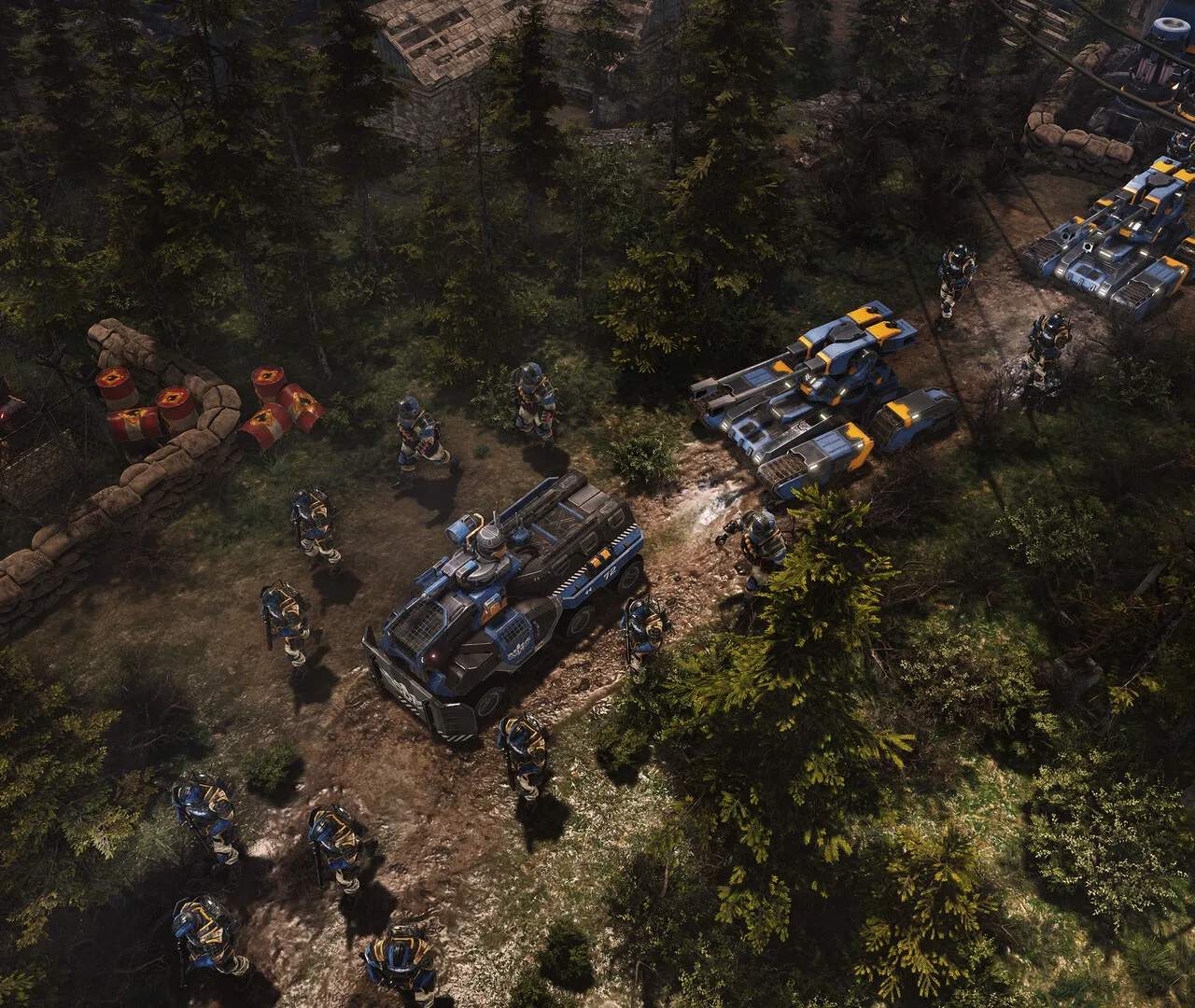
Quest items in Tempest Rising are unique objects that are central to the progression of quests. These items often cannot be dropped, sold, or traded, and their sole purpose is to be found, delivered, or used in a specific location to advance the narrative or unlock new objectives.
Purpose of Quest Items
Quest items serve several narrative and gameplay functions:
- Objective Markers: They are tangible goals that players must acquire to complete a quest step.
- Plot Devices: They often hold significant lore or are crucial to the story's unfolding, such as ancient artifacts, lost documents, or keys to forbidden places.
- Catalysts for Events: Using a quest item in the correct location might trigger a cutscene, open a new path, or summon an enemy.
- Barriers to Progression: Without the correct quest item, players are typically unable to proceed with certain quests.
Types of Quest Items
Quest items come in a wide variety of forms:
- Artifacts: Ancient relics, magical amulets, or powerful weapons imbued with history or power. Example: "The Sunstone Shard."
- Documents: Letters, journals, maps, or scrolls that contain vital information. Example: "Captain's Logbook."
- Keys: Used to unlock doors, chests, or magical barriers. Example: "Iron Key of the Old Keep."
- Components: Specific ingredients or parts needed for crafting or rituals. Example: "Heart of the Fire Elemental."
- Tokens of Passage: Items that grant access to restricted areas or prove identity. Example: "Guild Master's Seal."
- Personal Belongings: Items belonging to NPCs that need to be returned. Example: "Lost Locket."
Acquisition and Management
Quest items are typically acquired by:
- Looting: Found in chests, on defeated enemies, or in specific environmental locations.
- Receiving from NPCs: Given to you by quest givers or other characters.
- Crafting: In some cases, you might need to craft a specific item to fulfill a quest.
Quest items are usually stored in a dedicated section of your inventory or a quest log, ensuring they don't clutter your main inventory space. They often have a unique icon to distinguish them.
Using Quest Items
To use a quest item:
- Check Your Quest Log: The quest description will usually indicate what needs to be done with the item.
- Return to a Quest Giver: Many items are simply delivered to the person who gave you the quest.
- Interact with the Environment: Some items must be used on a specific object, altar, or doorway in the game world.
- Combine with Other Items: Occasionally, you might need to combine a quest item with another component.
Important Considerations
- Do Not Discard: Unless explicitly told otherwise, never discard a quest item. Doing so can often break your quest progression.
- Check Quest Log Regularly: If you're unsure what to do with an item, consult your quest log for clues.
- Talk to NPCs: NPCs related to the quest might offer hints about the item's purpose.
Example: "The Dragon's Tooth"
You might be tasked with retrieving "The Dragon's Tooth" from a slain dragon. This item is crucial for a blacksmith who needs it to forge a legendary weapon. You would then take the tooth to the blacksmith to complete the quest step.
Example: "Ancient Map Fragment"
You find an "Ancient Map Fragment" that, when combined with other fragments, reveals the location of a hidden treasure. You'll need to find all the fragments and then use the completed map to find the treasure.