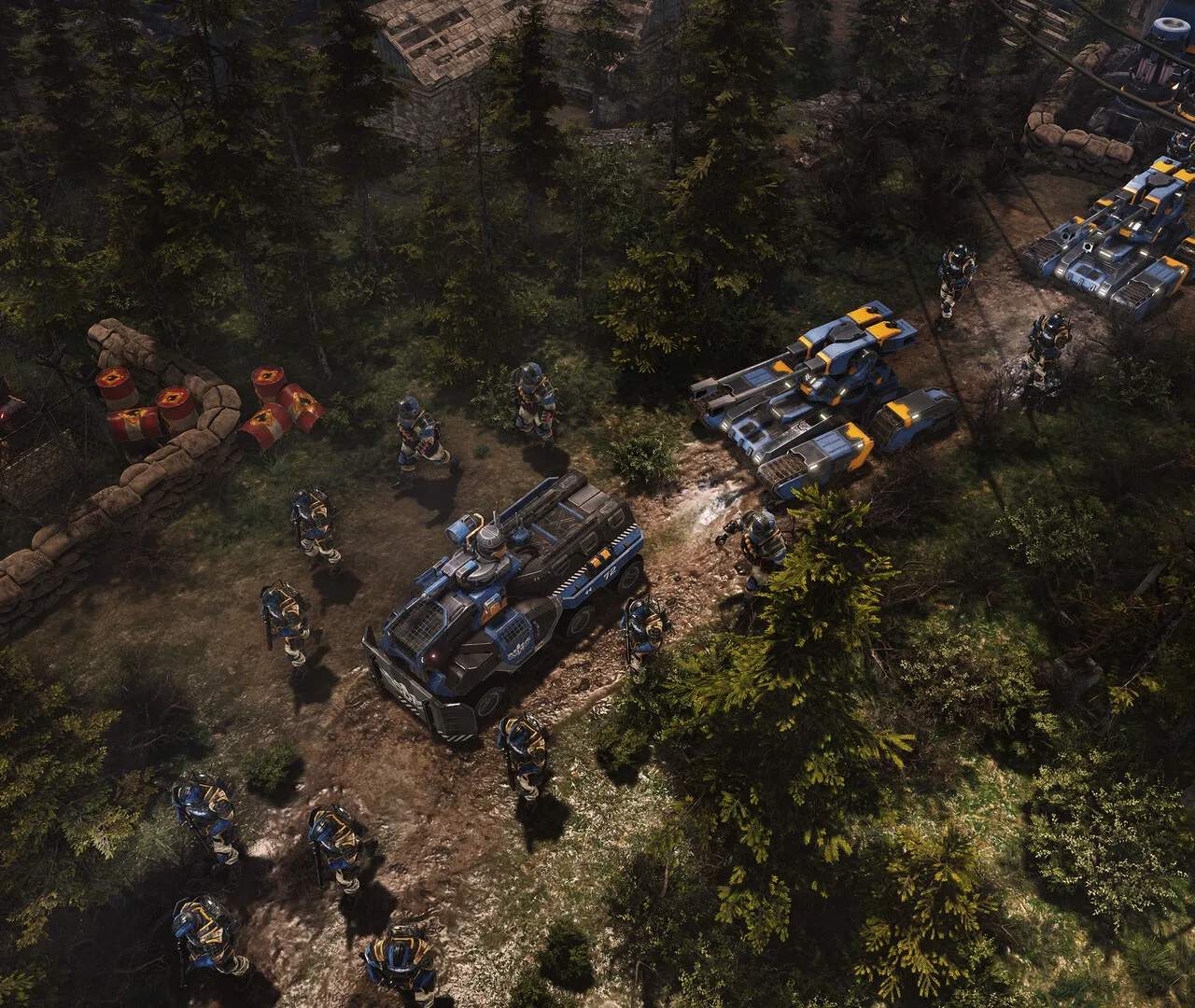
Patrols and ambushes are dynamic world events in Tempest Rising that add an element of unpredictability to exploration. These encounters can range from routine enemy patrols to cunning traps designed to catch unsuspecting adventurers off guard, requiring constant vigilance and adaptability.
Types of Patrols
Enemy patrols are groups of enemies that move along set paths or wander through specific areas. They can vary in size and composition:
- Scouting Parties: Small groups of enemies, often light infantry or scouts, whose primary role is to detect intruders and alert larger forces.
- Garrison Patrols: Larger, more heavily armed groups that maintain control over a territory. They are more likely to engage on sight.
- Beast Packs: Groups of aggressive animals that roam their territory, attacking anything they perceive as a threat.
- Bandit Squads: Organized groups of outlaws who patrol trade routes or their territory, looking for easy prey.
Encountering Patrols
When you encounter a patrol:
- Stealth Approach: If you have stealth capabilities, you might be able to bypass patrols entirely or get the drop on them.
- Ambush: You can choose to ambush a patrol yourself, using the terrain to your advantage.
- Direct Engagement: If detected or if you choose to fight, prepare for a direct combat encounter. The size and composition of the patrol will determine the difficulty.
Types of Ambushes
Ambushes are more deliberate and often more dangerous encounters, designed to trap and overwhelm players:
- Choke Point Traps: Enemies might lie in wait at narrow passages, bridges, or cave entrances, using the terrain to limit your movement and focus their attacks.
- Ranged Ambushes: Archers or mages might position themselves on high ground or behind cover, raining down projectiles while melee enemies engage you up close.
- Surprise Reinforcements: You might engage a small group of enemies, only for a larger force to emerge from hidden positions or flanking routes.
- Environmental Traps: Ambushes can be combined with environmental hazards like falling rocks, poison gas vents, or explosive barrels.
Detecting and Avoiding Ambushes
Vigilance is key to surviving ambushes:
- Observe Your Surroundings: Look for ss of hidden enemies, such as disturbed foliage, unusual rock formations, or suspicious tracks.
- Use Perception Skills: Abilities that highlight hidden enemies or traps can be invaluable.
- Scan the Environment: Before entering a new area, especially one that looks like a natural ambush point, take a moment to survey the surroundings for potential threats.
- Listen Carefully: Sound cues can often alert you to approaching enemies or the activation of traps.
- Be Wary of Loot: Sometimes, a tempting pile of loot can be a trap to lure you in.
Responding to Ambushes
If you are caught in an ambush:
- Prioritize Threats: Identify the most dangerous enemies (e.g., spellcasters, heavy hitters) and focus your attacks on them.
- Use Crowd Control: Stun, freeze, or slow enemies to create breathing room and prevent being overwhelmed.
- Utilize Mobility: If possible, use movement abilities to break line of sight, reposition, or escape the immediate danger zone.
- Seek Cover: Use the environment to protect yourself from ranged attacks.
World Impact
Successfully dealing with patrols and ambushes can clear an area, making subsequent travel safer, and often yields valuable loot and experience. Failing to do so can result in significant damage, loss of resources, or even death.