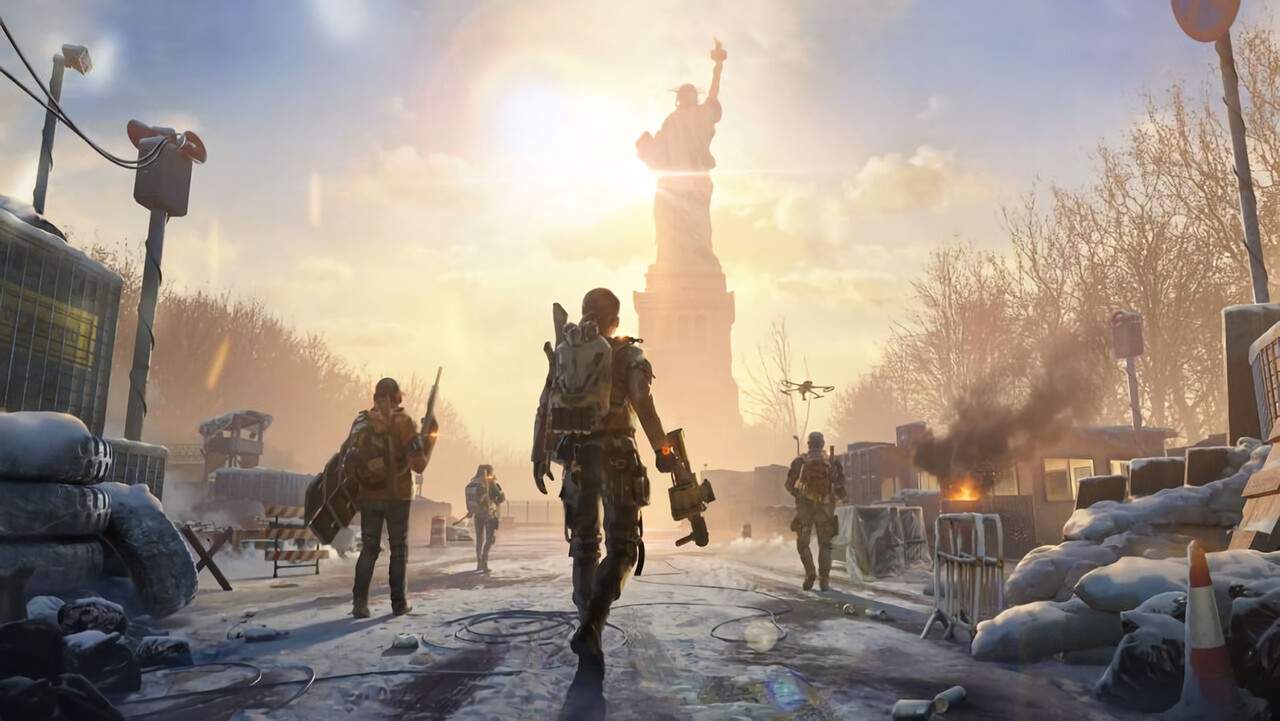
The cover system in The Division Resurgence is more than just a defensive mechanic; it's a fundamental pillar of tactical engagement in its massive urban open-world. The AAA experience on mobile devices translates this crucial element with responsive controls and clear visual cues, allowing agents to effectively utilize the environment to their advantage. In the chaotic post-crisis New York, where threats can emerge from any direction, mastering the cover system is paramount to survival. It allows you to mitigate incoming damage, reposition your agent strategically, and create opportunities for offensive maneuvers. Whether you're facing off against the ruthless Cleaners or navigating the dangers of the Dark Zone, understanding how to effectively use cover will sificantly increase your survivability and combat effectiveness.
The game's des encourages a dynamic approach to combat, where players are constantly moving between different cover points, flanking enemies, and controlling engagement distances. The AAA presentation ensures that the environment is rich with destructible cover, meaning that static positions can quickly become untenable. This necessitates an understanding of when to hold a position and when to relocate. Furthermore, the cover system is deeply integrated with your agent's abilities and weapon choices. Certain skills, like the Ballistic Shield, can be used in conjunction with cover to create an almost impenetrable defensive line, while other weapons are more effective when used from specific cover vantage points. By internalizing these principles, you'll transform from a target into a tactical predator, capable of outmaneuvering and outgunning your adversaries in the challenging world of The Division Resurgence.
Cover System Mastery
Mastering the cover system in The Division Resurgence is a critical skill for any agent aiming to survive and thrive in the massive urban open-world of New York City. The AAA experience on mobile devices ensures that this core mechanic is both intuitive and deeply impactful on gameplay. Effective use of cover allows you to break line of sight with enemies, regenerate health and armor, and reload your weapons safely. The game provides various types of cover, from low walls and vehicles to destructible objects like crates and barricades. Agents should learn to identify the most advantageous cover points in any given engagement, considering factors such as elevation, proximity to enemies, and potential flanking routes. For example, a low piece of cover might be ideal for suppressing fire with an assault rifle like the AK-47, while a more fortified position might be necessary when facing heavy enemy concentrations, such as a squad of Rikers.
Beyond simply taking cover, agents must understand how to move between cover points effectively. The "snap-to-cover" mechanic allows for quick and fluid transitions, but it's crucial to be aware of your surroundings before moving. Peeking out from cover to fire a few shots and then quickly returning to safety is a fundamental tactic known as "peeking." This minimizes your exposure while still allowing you to contribute to the firefight. Furthermore, certain skills can enhance your cover-based combat. Deploying a Riot Foam grenade can temporarily incapacitate enemies, allowing you to advance to a more advantageous cover position or flank them. Conversely, an enemy might attempt to flush you out of cover with grenades or special abilities. Being prepared for these counter-tactics, such as having a defensive skill ready or being prepared to relocate quickly, is part of cover system mastery. The AAA presentation ensures that the visual feedback for cover is clear, with indicators showing when you are in cover and when your cover is compromised, allowing for informed tactical decisions.