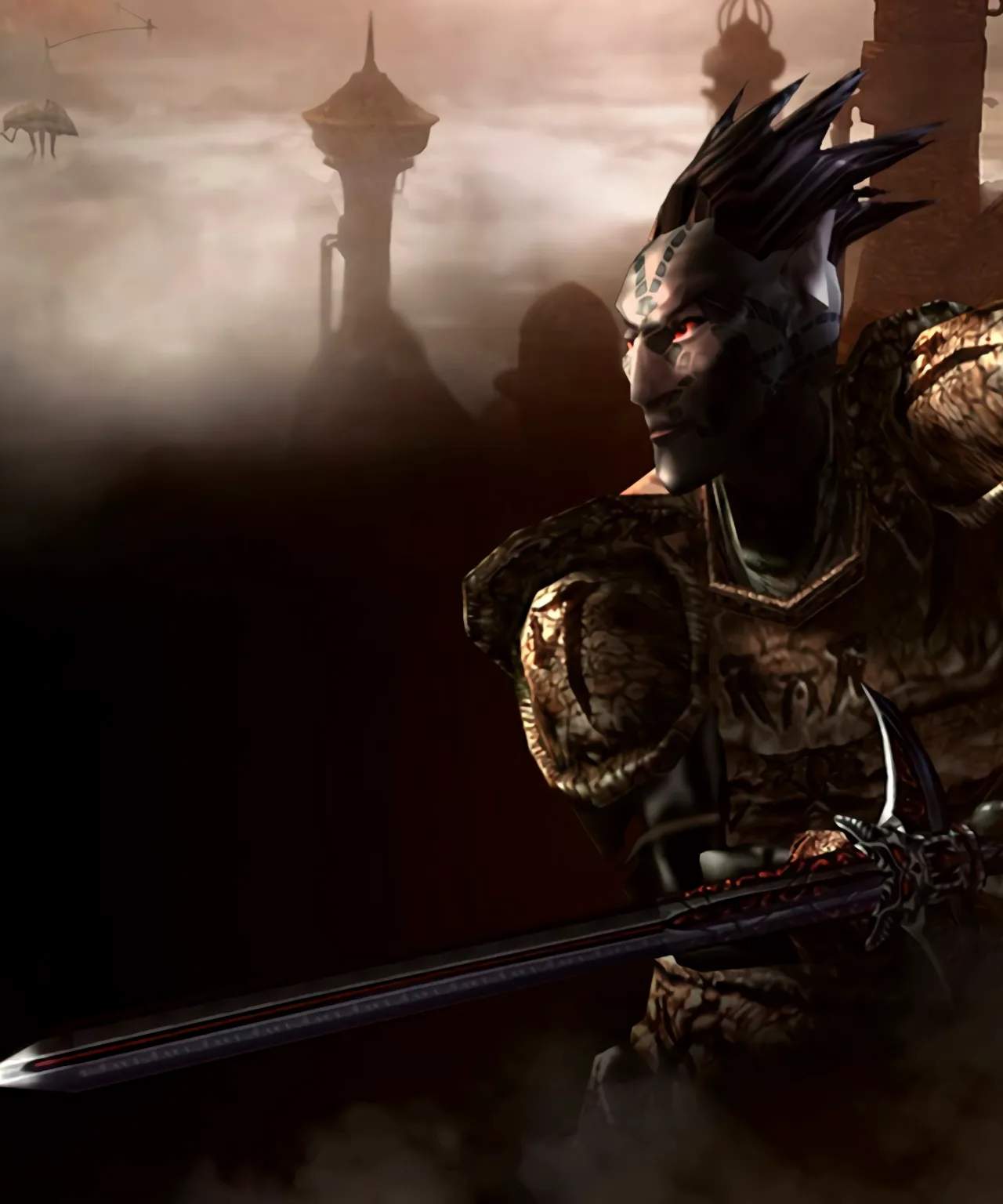
The inhabitants of Morrowind are as varied as its landscapes, and understanding the roles of Non-Player Characters (NPCs) and Vendors is crucial for navigating the game's economy and social structures. This guide details the types of NPCs you'll encounter and the services they provide.
Key NPC Roles
- Quest Givers: These NPCs initiate quests, providing objectives, lore, and rewards. They are often marked with a distinctive dialogue option or are central to a particular storyline.
- Merchants: As detailed in the 'Services & Merchants' section, these individuals buy and sell goods, forming the backbone of Morrowind's economy.
- Trainers: NPCs who can increase your character's skills for a fee, vital for progression.
- Guild Members: Fellow members of factions like the Fighters Guild, Mages Guild, or Thieves Guild, who offer quests, services, or act as allies.
- Guards: City guards patrol settlements and will intervene in criminal activity. They can also provide basic information.
- Commoners: The general populace of Morrowind, who may offer rumors, commentary, or occasionally minor quests.
Vendor Types and Specializations
Vendors are a specific type of NPC crucial for acquiring and selling goods. They often specialize:
- General Goods Merchants: Offer a wide array of items, from basic supplies to repair tools.
- Blacksmiths: Primarily deal in weapons and armor, also offering repair services.
- Alchemists: Sell alchemical ingredients and potions, and can identify unknown ingredients.
- Apothecaries: Similar to alchemists, often focusing on healing and restorative items.
- Enchanters: While Morrowind's enchanting is largely player-driven, some NPCs might offer related services or sell enchanted items.
Vendor Mechanics
- Gold: Vendors have a limited amount of gold, which replenishes daily. This gold is used to buy items from you.
- Inventory: Each vendor has a specific inventory of goods they offer for sale.
- Disposition: A vendor's disposition towards you (influenced by your Personality and their mood) affects the prices they offer. A higher disposition generally means better prices.
- Restocking: Vendor inventories and gold reserves typically restock after a set period (often 24 in-game hours).
Finding Key NPCs
Major cities like Vivec City, Balmora, Ald'ruhn, and Sadrith Mora are densely populated with various NPCs and vendors. Guild halls are essential for finding guild-specific NPCs. Smaller settlements will have a more limited selection.
Interacting with NPCs
When interacting with an NPC, you'll typically see a dialogue menu. Options may include 'Talk,' 'Rumors,' 'Services,' or specific quest-related dialogue. Always explore dialogue options to uncover hidden information or opportunities.