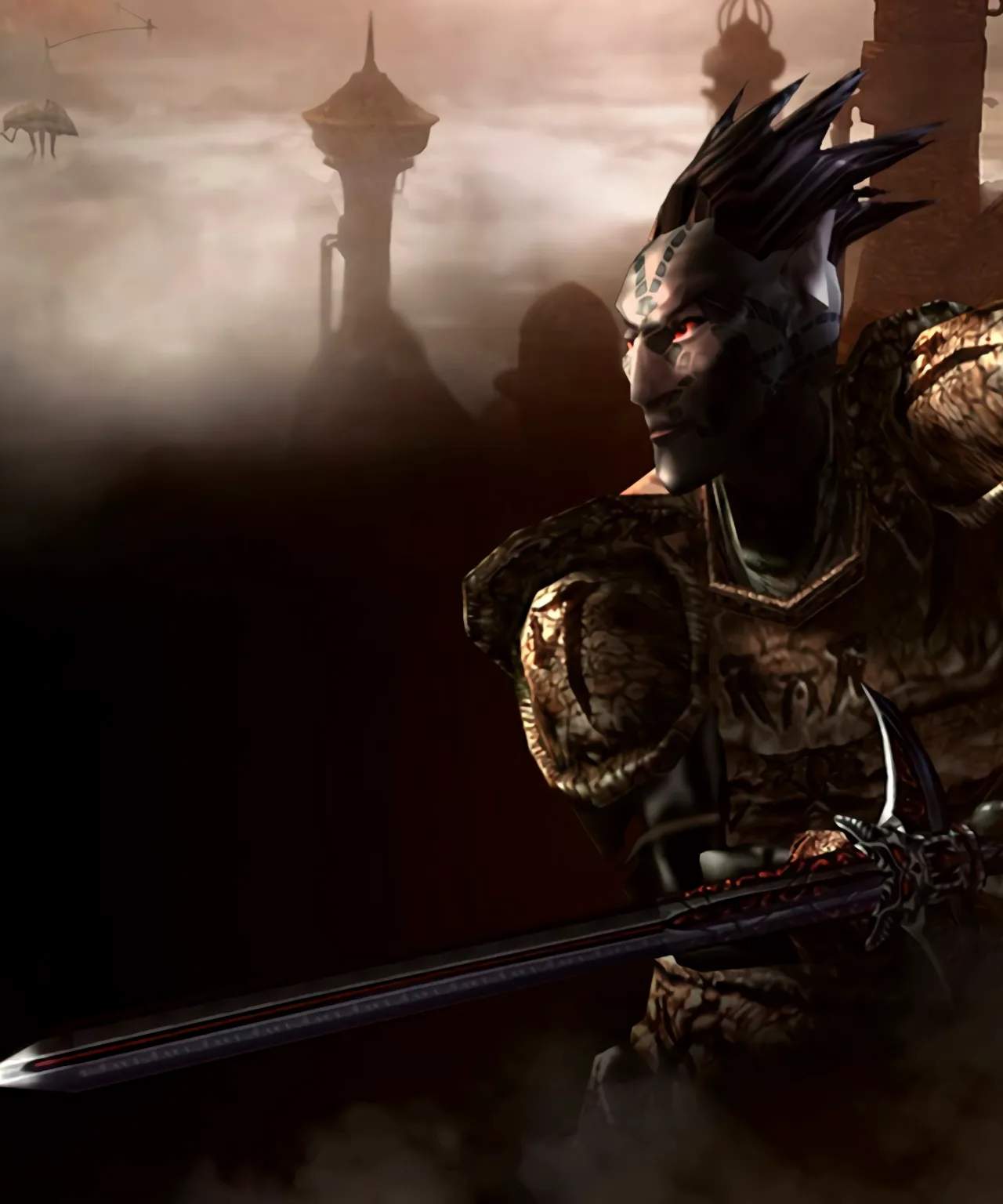
History of Tamriel & Morrowind
The Elder Scrolls saga is steeped in a rich and complex history spanning millennia, and Morrowind is no exception. Understanding the historical context of Tamriel, and Vvardenfell in particular, provides a deeper appreciation for the game's lore, political landscape, and the motivations of its inhabitants. The events of Morrowind are shaped by ancient conflicts, divine interventions, and the rise and fall of empires.
Tamriel's history is a tapestry woven with the actions of gods, mortals, and powerful entities. From the creation myths and the Dawn Era to the establishment of the Septim Empire and the subsequent political shifts, each era has left its mark on the continent. Morrowind's unique place within this history is defined by the Dunmer people, their ancestral homeland, and their complex relationship with the Tribunal, the Empire, and the other races of Tamriel.
Key historical periods and events relevant to Morrowind:
- The Dawn Era: The mythical period of creation, when the gods and et'Ada shaped the world. This era is shrouded in legend and myth, with figures like the Daedric Princes and the Aedra playing pivotal roles.
- The Merethic Era: The era of the Elves. The Chimer, ancestors of the Dunmer, migrated from Tamriel to Morrowind. This era saw the rise of the Tribunal (Almalexia, Sotha Sil, and Vivec) and their apotheosis, transforming the Chimer into the Dunmer.
- The First Era: Marked by the rise of the Alessian Empire and the establishment of the first unified Tamrielic Empire. Morrowind remained largely independent, fiercely guarding its traditions and borders. The Dragon Break known as the Middle Dawn also occurred during this era.
- The Second Era: A period of fragmentation and conflict following the fall of the Reman Dynasty. The rise of Tiber Septim and the establishment of the Third Empire marked the beginning of a new era of Imperial dominance. Morrowind eventually became a vassal state of the Empire.
- The Third Era: The era in which Morrowind is set. The Septim Dynasty ruled for centuries, bringing a period of relative peace and prosperity, though tensions between the Empire and the Dunmer Great Houses often simmered beneath the surface. The Nerevarine prophecy and the events surrounding You character's arrival are central to this era.
- The Fourth Era: The era following the Oblivion Crisis, which devastated Tamriel and led to the collapse of the Septim Empire. Morrowind suffered greatly from the Red Year, a cataclysmic volcanic eruption and tsunami, and the subsequent Argonian invasion.
Understanding these historical threads provides context for the political factions, religious beliefs, and cultural practices you'll encounter in Morrowind. The Dunmer's pride, their ancient traditions, their veneration of the Tribunal, and their complex relationship with the Empire are all deeply rooted in their long and often tumultuous history.
Key historical elements to remember: