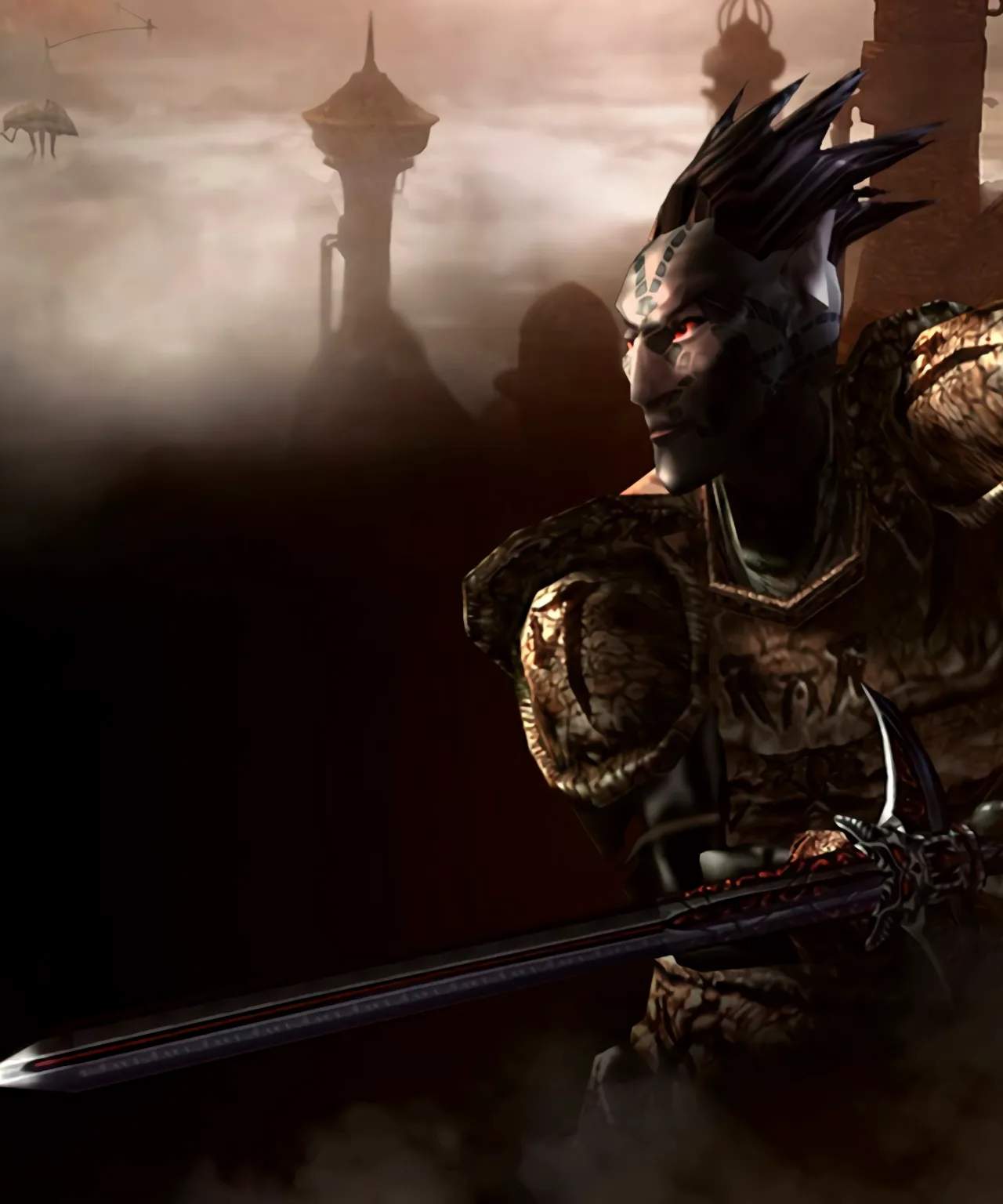
The Dunmer & Their Culture
The Dunmer, or Dark Elves, are the dominant race of Morrowind, possessing a unique and complex culture shaped by centuries of isolation, ancestor worship, and a deep connection to their volcanic homeland. Understanding their traditions and societal structure is crucial for navigating Vvardenfell.
Dunmer society is largely matriarchal, with a strong emphasis on family lineage and ancestral spirits. Their distinctive ash-grey skin, red eyes, and sharp features are iconic. They are known for their resilience, their mastery of magic and combat, and their often-pragmatic, sometimes ruthless, approach to life. Their culture is deeply intertwined with the worship of the Tribunal and the veneration of their ancestors.
Key aspects of Dunmer culture include:
- Ancestor Worship: The veneration of deceased family members is a cornerstone of Dunmer faith. Ancestor shrines are common, and the spirits of ancestors are believed to offer guidance and protection.
- The Great Houses: The political and social backbone of the settled Dunmer, these powerful houses (Redoran, Hlaalu, and Telvanni) vie for influence and control over Vvardenfell.
- The Tribunal: The living gods Vivec, Almalexia, and Sotha Sil are central to the state religion, providing divine guidance and protection to the Dunmer people.
- Ashlanders: Nomadic tribes who reject the Tribunal and maintain older traditions, living in the harsh Ashlands and often clashing with the settled Dunmer.
- Magic and Combat Prowess: The Dunmer have a natural affinity for both magic and martial skills, making them formidable warriors and powerful mages.
The Dunmer's history is marked by conflict, betrayal, and survival, most notably the Argonian invasion and the Red Year. Their culture is a fascinating blend of ancient traditions and a pragmatic adaptation to their harsh environment. As the player, you will often find yourself caught between the machinations of the Great Houses, the divine will of the Tribunal, and the ancient prophecies of the Ashlanders, all of which are deeply rooted in Dunmer culture.