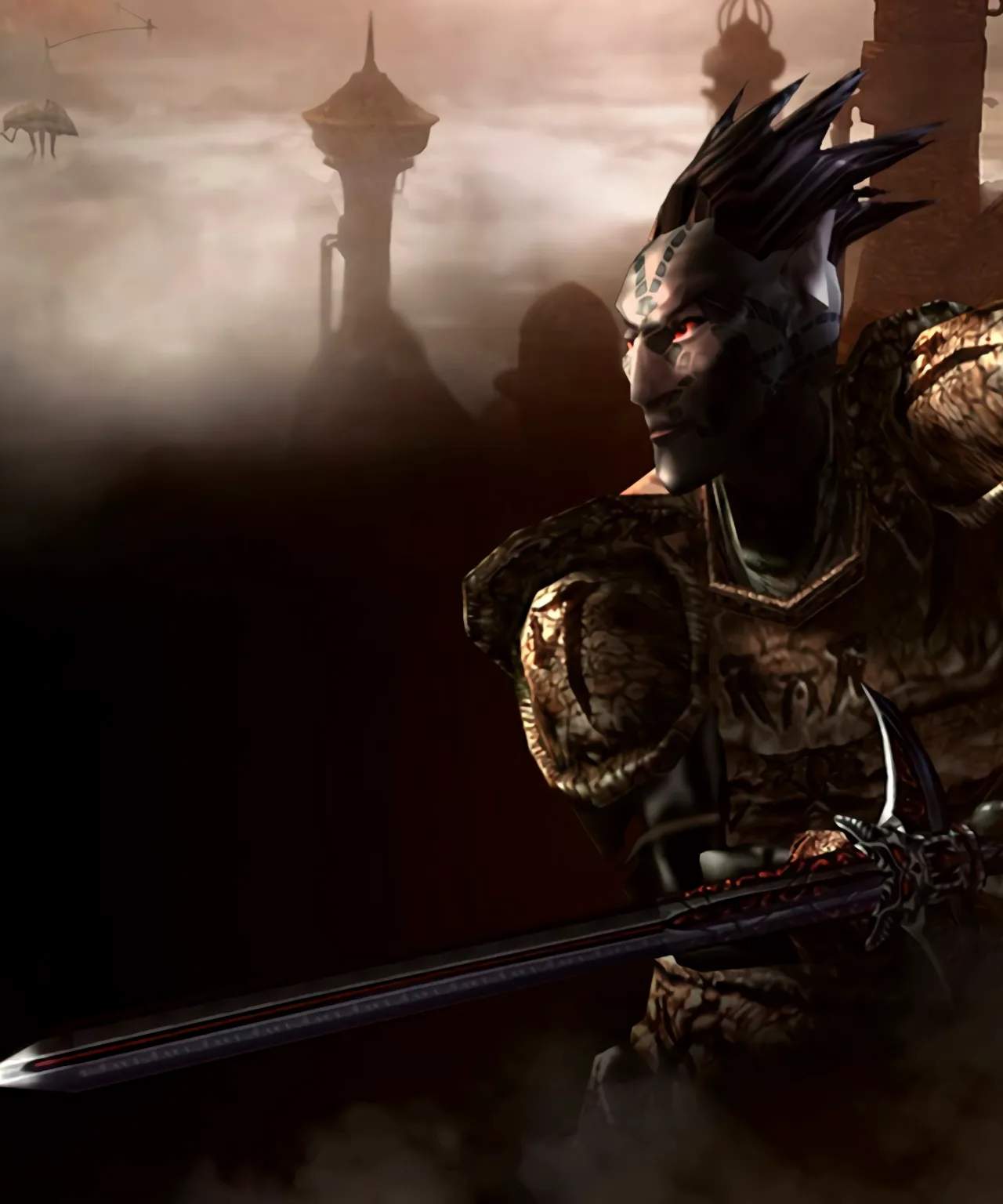
Morrowind's expansive world and deep lore have inspired a vibrant modding community, leading to numerous expansions and modifications that enhance the game. These can range from simple graphical overhauls to entirely new questlines, mechanics, and playable areas. Understanding how to install and utilize these expansions and mods is key to experiencing Morrowind in new and exciting ways.
Types of Expansions and Mods
The Morrowind modding scene offers a wide variety of content:
- Official Expansions: Tribunal and Bloodmoon are official expansions that add new lands, quests, creatures, and gameplay features.
- Total Conversions: Mods that completely change the game's setting, story, or mechanics, often creating a new game within the Morrowind engine.
- Quest Mods: Add new questlines, often with voice acting and intricate storylines, seamlessly integrated into the existing world.
- Gameplay Overhauls: Rebalance skills, combat, magic, and economy to provide a different gameplay experience.
- Graphics and Sound Enhancements: Improve textures, models, lighting, and audio to modernize the game's presentation.
- New Lands Mods: Introduce entirely new continents or regions to explore, complete with their own lore and inhabitants.
- Utility Mods: Tools that improve the user interface, add map features, or enhance game stability.
Installation Methods
Installing mods typically involves a few key steps:
- Manual Installation: Copying mod files directly into the Morrowind game directory (Data Files, Meshes, Textures folders). This is the most basic method but can be prone to errors.
- Mod Managers: Dedicated software desed to simplify the installation, uninstallation, and management of mods. These are highly recommended for complex mod setups.
Popular Mod Managers
Using a mod manager is crucial for a stable modded Morrowind experience:
- OpenMW: An open-source engine replacement for Morrowind that offers sificant performance improvements, bug fixes, and compatibility with many modern mods. It also includes a built-in mod manager.
- Wrye Mash: A powerful utility that helps manage mods, detect conflicts, and create merged patches. It's essential for larger mod lists.
- Mod Organizer 2 (MO2): While primarily known for Skyrim, MO2 can also be configured for Morrowind, offering a virtual file system that keeps your base game installation clean.
Key Considerations for Modding
- Read Installation Instructions Carefully: Each mod will have specific instructions. Follow them precisely.
- Mod Order Matters: The order in which mods are loaded can affect compatibility. Mod managers help manage this.
- Check for Compatibility: Ensure mods are compatible with each other and with your version of Morrowind (or OpenMW).
- Backup Your Save Files: Always back up your save games before installing new mods.
- Start Small: If you're new to modding, begin with a few essential mods and gradually add more.
- Test Regularly: After installing new mods, test your game to ensure stability and functionality.
Where to Find Mods
The primary hub for Morrowind mods is the Nexus Mods website, specifically the Morrowind section. Other community forums and wikis also host mods and discussions.
Modding Morrowind can vastly expand its replayability and introduce features that cater to every player's preference, transforming the classic experience into something entirely new.