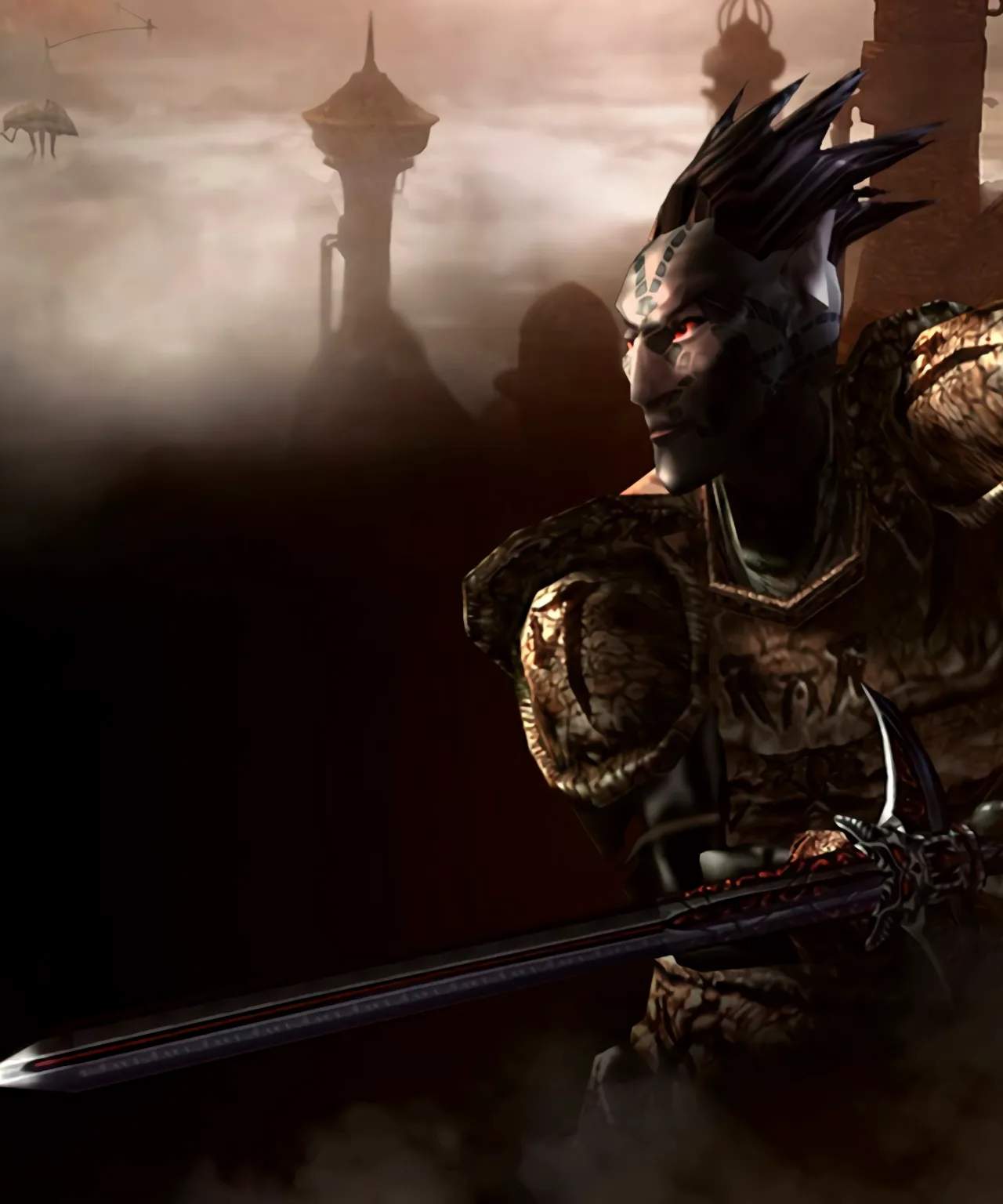
Game Development & Lore Creation
The Elder Scrolls III: Morrowind is a testament to ambitious game development, featuring a vast, detailed world with a rich lore that has captivated players for decades. Understanding the principles behind its creation can offer insights into world-building, narrative des, and the challenges of developing such an expansive RPG. This section touches upon the creative processes that brought Morrowind to life.
World Des and Lore Integration
The world of Morrowind, Vvardenfell, was meticulously crafted to feel alien and distinct from typical fantasy settings. The unique flora, fauna, architecture, and cultural practices of the Dunmer were developed to create a cohesive and immersive experience. The lore was not merely background dressing but was deeply integrated into the gameplay, influencing quests, character motivations, and the very fabric of the world.
Key aspects of world des included:
- Unique Biomes: From the volcanic Ashlands to the fungal Ascadian Isles, each region was desed with distinct environmental challenges and visual identities.
- Cultural Depth: The complex social structures of the Great Houses, the spiritual beliefs of the Tribunal Temple, and the nomadic traditions of the Ashlanders all contribute to a rich cultural tapestry.
- Alien Aesthetics: The use of mushroom towers, chitin armor, and insectoid creatures sets Morrowind apart from more conventional fantasy worlds.
Narrative and Quest Des
Morrowind's narrative is driven by the Nerevarine Prophecy, a complex and multi-layered storyline that unfolds gradually. The game masterfully balances a grand, epic quest with numerous side stories and faction questlines, allowing players to forge their own path.
Elements of narrative des include:
- Player Agency: The game offers sificant freedom in how players approach quests and interact with the world, allowing for diverse roleplaying opportunities.
- Environmental Storytelling: The world itself tells stories through its ruins, artifacts, and the interactions between NPCs.
- Moral Ambiguity: Many quests present players with difficult choices that have no clear 'right' answer, reflecting the complex morality of the Dunmer society.
Technical Achievements
Developing Morrowind in 2002 was a sificant technical undertaking. The game pushed the boundaries of what was possible with its 3D engine, large open world, and complex AI systems. The development team faced challenges in:
- Engine Development: Creating a robust engine capable of rendering a vast and detailed world.
- AI and Pathfinding: Implementing believable NPC behavior and navigation in a complex environment.
- Content Creation: Populating the world with thousands of unique assets, dialogue, and quests.
The Legacy of Morrowind
Morrowind's enduring legacy is a testament to its innovative des and the passion of its developers. The game's unique world, deep lore, and player-driven narrative have inspired countless other RPGs and continue to be celebrated by a dedicated fanbase. The creation of Morrowind serves as a case study in ambitious world-building and immersive RPG des.
The development of Morrowind involved a dedicated team of artists, writers, programmers, and desers who poured their creativity into crafting a truly unforgettable experience. Their efforts laid the groundwork for future Elder Scrolls titles and left an indelible mark on the RPG genre.