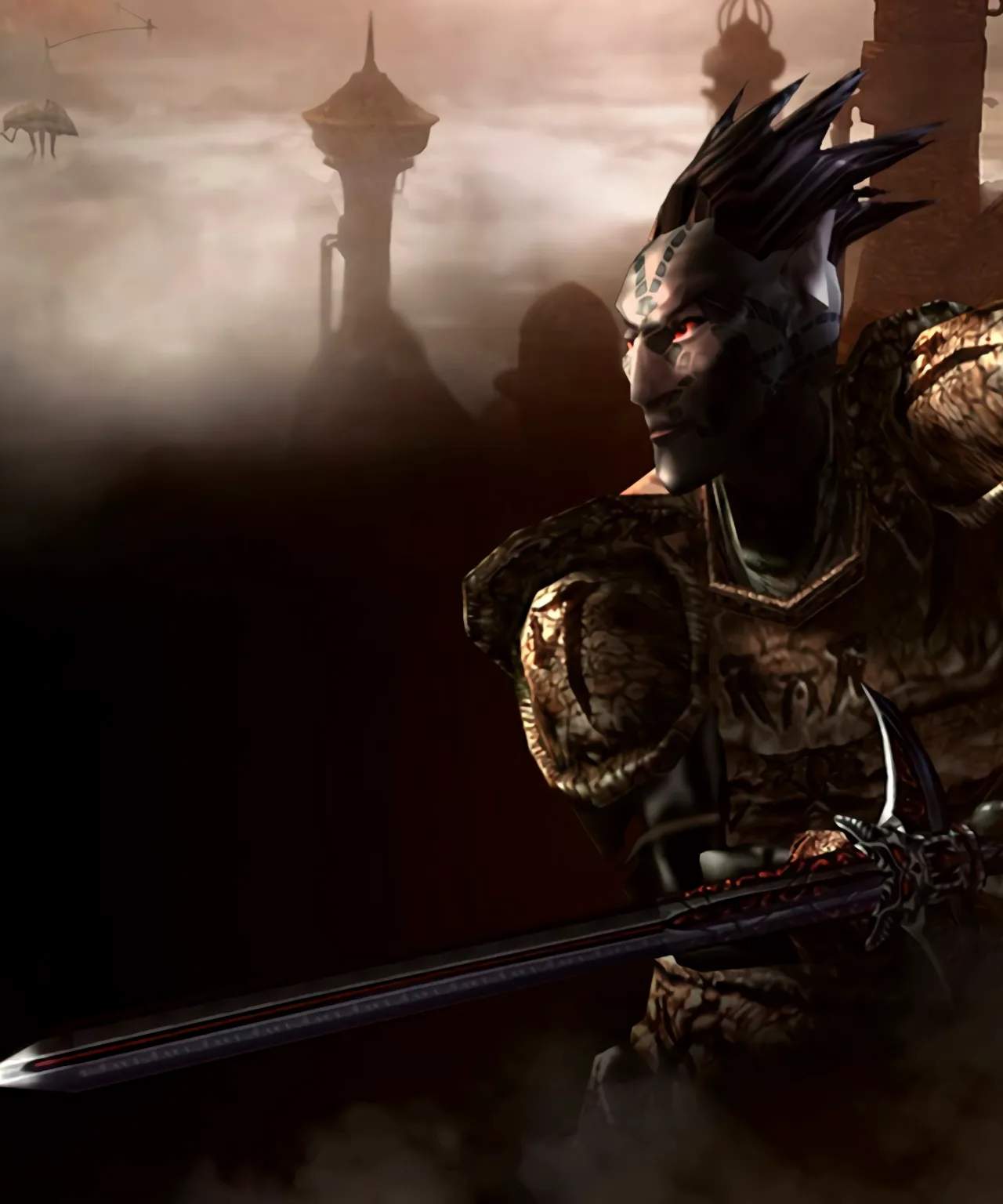
Factions & Organizations
Morrowind's political and social landscape is defined by a complex web of factions and organizations, each with its own agenda, beliefs, and influence. Aling with or opposing these groups will shape your journey, opening up unique questlines, opportunities, and challenges. Understanding these factions is key to navigating the intricate society of Vvardenfell.
The primary power players in Morrowind are the Great Houses: Hlaalu, Redoran, and Telvanni. These ancient Dunmer houses hold sificant political and economic sway, often competing for dominance. Each has a distinct culture, architectural style, and set of values, influencing the types of quests and interactions you'll have with their members.
Beyond the Great Houses, several other influential organizations operate within Morrowind:
- The Imperial Legion: Representing the Emperor's authority, they maintain order, enforce Imperial law, and often clash with Dunmer traditions. They offer quests related to law enforcement and military duties.
- The Temple (Tribunal Temple): The dominant religious institution in Morrowind, worshipping the living gods of the Tribunal. They are deeply ingrained in Dunmer society and offer quests related to faith, purification, and combating heresy.
- The Mages Guild: A pan-Tamrielic organization dedicated to the study and practice of magic. They provide training, quests related to magical research, and access to powerful spells and artifacts.
- Fighters Guild: A mercenary organization that offers combat-oriented quests, bounty hunting, and protection services. They are a reliable source of income for those skilled in combat.
- Thieves Guild: A clandestine organization focused on illicit activities, such as theft, smuggling, and assassination. Joining them offers unique quests and rewards, but carries sificant risks.
- The Ashlanders: Nomadic Dunmer tribes who reject Imperial rule and the Tribunal. They maintain ancient traditions and offer quests related to their culture and their struggle against the Blight.
Your interactions with these factions will have consequences. Completing quests for one faction might alienate another, and your reputation within each group can unlock new opportunities or close off others. Choosing which factions to support, and to what extent, is a fundamental aspect of role-playing in Morrowind.
Consider the following when engaging with factions:
- Reputation: Your actions affect your standing with each faction.
- Questlines: Each faction offers unique quest chains that delve into their lore and objectives.
- Services: Factions provide access to trainers, unique items, and specialized services.
- Conflict: Be aware that some factions are inherently at odds with each other.
Navigating the complex political and social landscape of Morrowind requires careful consideration of your allegiances and actions.