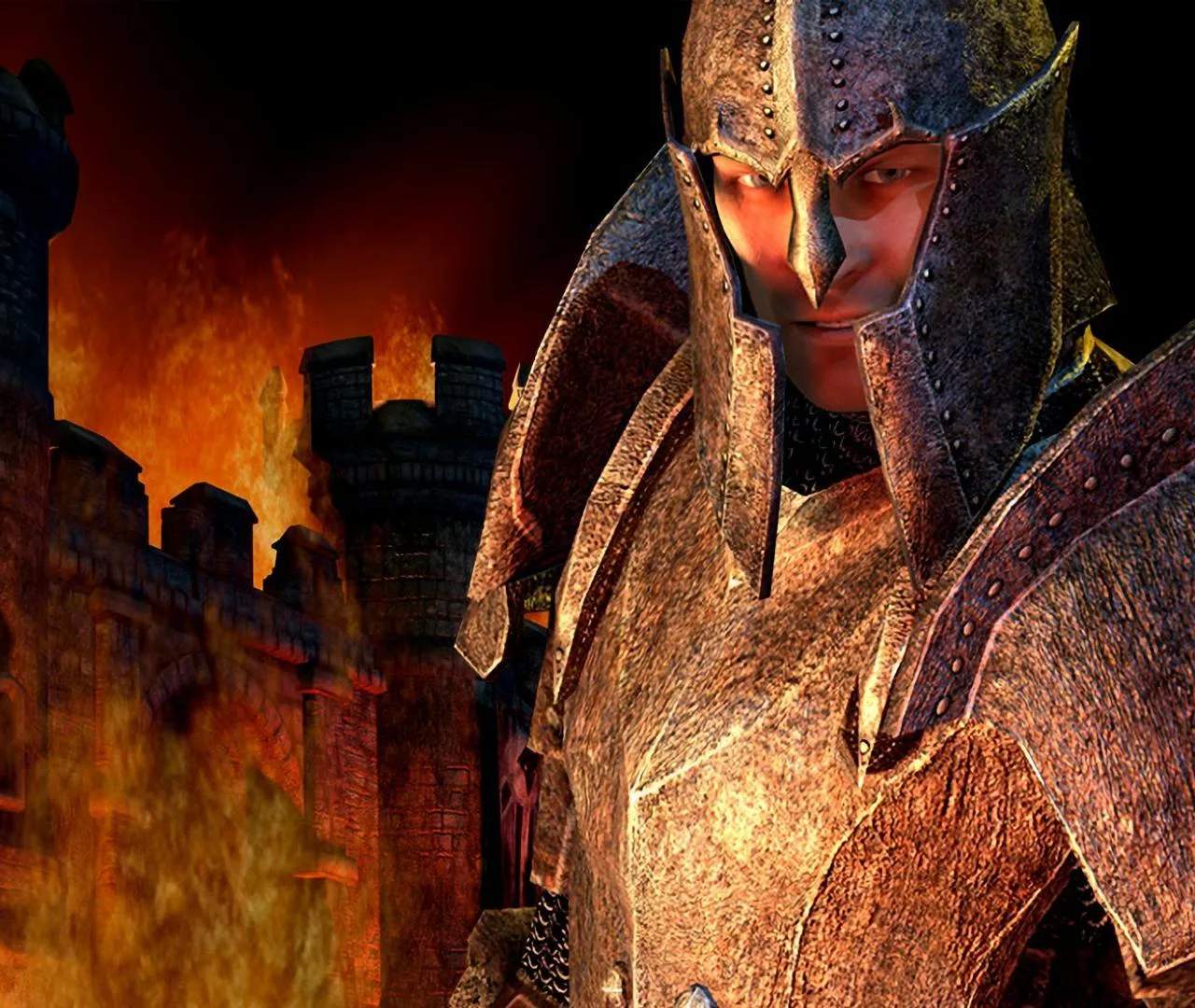
Companion Management & Tactics
While Oblivion primarily focuses on a solo player experience, certain quests and situations may involve temporary companions or the ability to recruit allies. Effectively managing these companions and employing smart tactics can turn the tide of battle and make challenging encounters more manageable.
Recruiting Companions:
- Quest-Based Companions: Many companions are temporary and join you for specific quests. These characters are often essential to progressing the storyline and usually have their own combat styles and abilities.
- Potential Recruits: In some instances, you may be able to persuade certain NPCs to join you. This often depends on their disposition towards you and their personal motivations. Building a good relationship through dialogue and quests is key.
- Guardians: Some powerful artifacts or locations might grant you temporary guardian spirits or allies.
Companion Management:
- Orders: Companions generally follow your lead. You can often issue basic commands such as 'wait here,' 'follow me,' or 'attack.' Pay attention to the dialogue options when interacting with them.
- Equipment: In some cases, you may be able to provide your companions with better equipment, such as weapons or armor, to improve their effectiveness in combat.
- Positioning: Strategic positioning of your companions can be crucial. Having them engage enemies from the front while you flank, or having them hold a choke point, can be highly effective.
- Healing: While companions have their own health bars, they generally cannot be directly healed by You through spells. However, some may have self-healing abilities or will recover over time.
Tactics with Companions:
- Tanking: A strong companion can act as a 'tank,' drawing enemy aggression while you deal damage from a safe distance or flank them.
- Crowd Control: If your companion has area-of-effect spells or abilities, they can help control groups of enemies.
- Distraction: Even a less powerful companion can serve as a distraction, allowing you to reposition or focus on a more dangerous foe.
- Scouting: In some situations, a companion can be sent ahead to scout an area or trigger traps, allowing you to prepare.
- Synergy: If you have a companion with a specific magical affinity or combat style, try to complement their strengths with your own. For example, if your companion is a melee fighter, you might focus on ranged attacks or magic.
While companions are not a central mechanic, understanding how to utilize them effectively can provide a sificant advantage in Oblivion's more challenging encounters.