Armor
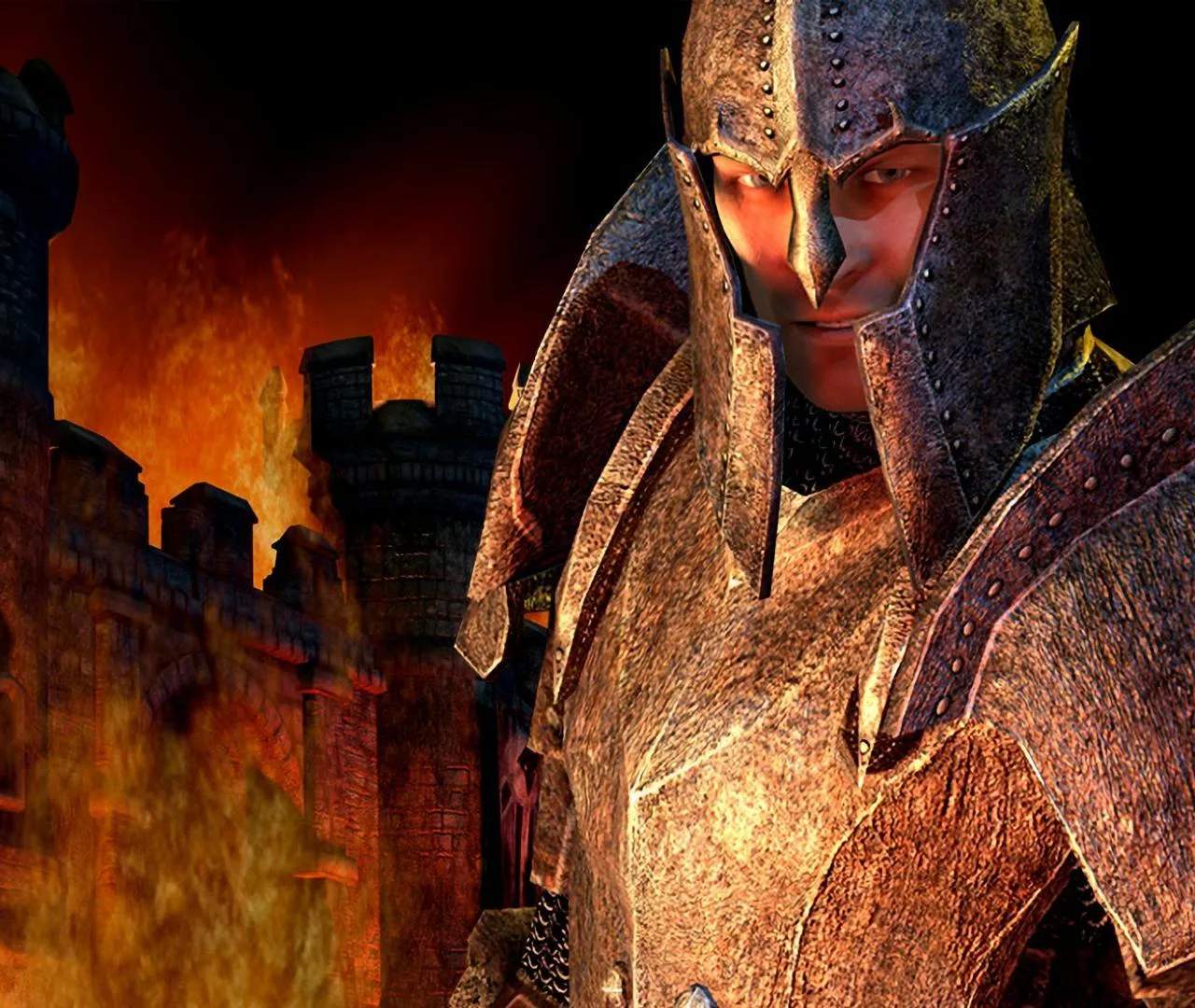
In the vast and dangerous world of Cyrodiil, a sturdy set of armor is often the difference between life and death. Oblivion categorizes armor into two primary types: Light Armor and Heavy Armor, each catering to distinct playstyles and character builds. Understanding their mechanics, benefits, and drawbacks, alongside the crucial role of the Armorer skill, is paramount for any adventurer.
Armor Types: Light vs. Heavy
Your choice of armor type directly impacts your character's combat effectiveness, mobility, and even stealth capabilities. Both types are governed by their respective skills, which improve with use.
Light Armor
- Description: Crafted from lighter materials like leather, chainmail, or elven alloys, Light Armor offers less physical protection but prioritizes agility.
- Benefits:
- Reduced Encumbrance: Light Armor weighs significantly less than Heavy Armor, allowing you to carry more loot and move faster without being overencumbered.
- Improved Mobility: Characters wearing Light Armor experience less movement speed penalty, making them ideal for skirmishers, archers, and stealth-focused builds.
- Stealth Advantage: The lighter weight and lower noise generation of Light Armor make it easier to remain undetected, complementing Sneak skill users.
- Skill Progression: The Light Armor skill levels up faster than Heavy Armor due to its lower defense rating, meaning you'll take more hits and gain more experience.
- Drawbacks:
- Lower Protection: Offers less damage reduction compared to Heavy Armor, requiring more reliance on dodging, blocking, or ranged attacks.
- Lower Durability: Generally has lower health points, requiring more frequent repairs.
- Recommended for: Assassins, Thieves, Archers, Mages who prefer some physical defense, and characters prioritizing speed and carrying capacity.
Heavy Armor
- Description: Forged from robust materials such as iron, steel, dwarven metal, or daedric ore, Heavy Armor provides superior physical defense at the cost of mobility.
- Benefits:
- Superior Protection: Offers the highest possible damage reduction, making you incredibly resilient against physical attacks. Essential for front-line warriors.
- Higher Durability: Generally boasts higher health points, reducing the frequency of repairs needed in combat.
- Intimidation Factor: While not a mechanical benefit, a fully armored warrior can certainly strike fear into the hearts of weaker foes!
- Drawbacks:
- High Encumbrance: Heavy Armor pieces are very weighty, significantly reducing your carrying capacity and potentially slowing your movement to a crawl if you're not careful.
- Reduced Mobility: Imposes a noticeable movement speed penalty, making it harder to evade attacks or close distances quickly.
- Stealth Disadvantage: The sheer weight and clanking sounds generated by Heavy Armor make stealth extremely difficult, if not impossible, for most characters.
- Skill Progression: The Heavy Armor skill levels up slower than Light Armor due as you take fewer hits.
- Recommended for: Warriors, Crusaders, Knights, and any character whose primary role is to absorb damage and engage in direct melee combat.
The Armorer Skill: Keeping Your Gear in Top Shape
Regardless of your chosen armor type, the Armorer skill is indispensable. Armor pieces degrade with every hit taken, losing their effectiveness and eventually breaking entirely if not maintained. A broken piece of armor provides no protection whatsoever.
How to Repair Armor
- Repair Hammers: The most common method is to use a Repair Hammer. These consumable items can be purchased from general merchants, blacksmiths, and some pawnbrokers throughout Cyrodiil. To repair an item, open your inventory, select the damaged item, and press the "Repair" button (default 'R' on PC). Each repair attempt consumes one Repair Hammer.
- NPC Blacksmiths: For a fee, you can have your armor repaired by NPC blacksmiths and armorers. Look for them in major cities like the Imperial City Market District (e.g., The Best Defense), Anvil (Morvayn's Peacemakers), Cheydinhal (Newlandsmith), and Chorrol (Northern Goods and Trade). This is particularly useful for items that are heavily damaged or if your Armorer skill is low.
Benefits of a High Armorer Skill
The Armorer skill determines your ability to repair items to their full potential and the quality of repairs you can perform. As your skill increases, you gain significant advantages:
- Higher Repair Percentage: At lower skill levels, you can only repair items to a certain percentage of their maximum condition. For example, an Apprentice Armorer (25 skill) can only repair items to 80% condition. A Master Armorer (100 skill) can repair items to 125% condition, making them stronger than when they were new!
- Repairing Magical Items: Only characters with an Armorer skill of 50 (Journeyman) or higher can repair magical items. This is a crucial breakpoint for any adventurer relying on enchanted gear.
- Repairing Weapons: The Armorer skill also governs weapon repair, making it essential for melee and ranged combatants alike.
- Saving Gold: By repairing your own gear, you save considerable amounts of gold that would otherwise be spent at NPC services.
- Convenience: Being able to repair on the fly, even in the deepest dungeons, ensures you're always at peak performance.
Skill Progression: The Armorer skill increases each time you successfully repair an item. Repairing more damaged items or items with a higher base value tends to grant more experience. Training with Armorer trainers (e.g., Rohssan in the Imperial City Market District, or Gin-Wulm in Cheydinhal) is also an option.
Armor Rating and Damage Reduction
Your overall Armor Rating determines the percentage of physical damage you resist. This rating is a cumulative value derived from all equipped armor pieces, modified by your Light or Heavy Armor skill, and certain enchantments or spells.
- Caps: There is a hard cap on damage reduction at 85%. Once your Armor Rating reaches the equivalent of 85% damage reduction, further increases to your rating will not provide additional protection.
- Skill Influence: A higher skill in your chosen armor type (Light or Heavy) directly increases the effectiveness of the armor you wear. For example, a Master of Heavy Armor will gain more protection from a full set of Daedric Armor than an Apprentice.
Specific Armor Materials and Sets
Oblivion features a wide variety of armor materials, each with unique stats, appearances, and availability. As you progress, you'll encounter increasingly powerful sets:
- Light Armor Materials:
- Leather
- Chainmail
- Mithril
- Elven
- Glass
- Heavy Armor Materials:
- Iron
- Steel
- Dwarven
- Orcish
- Ebony
- Daedric
Many unique and enchanted armor pieces can be found throughout Cyrodiil, often as quest rewards or drops from powerful enemies. Keep an eye out for these special items, as they can provide significant boosts to your character's capabilities beyond simple damage resistance.