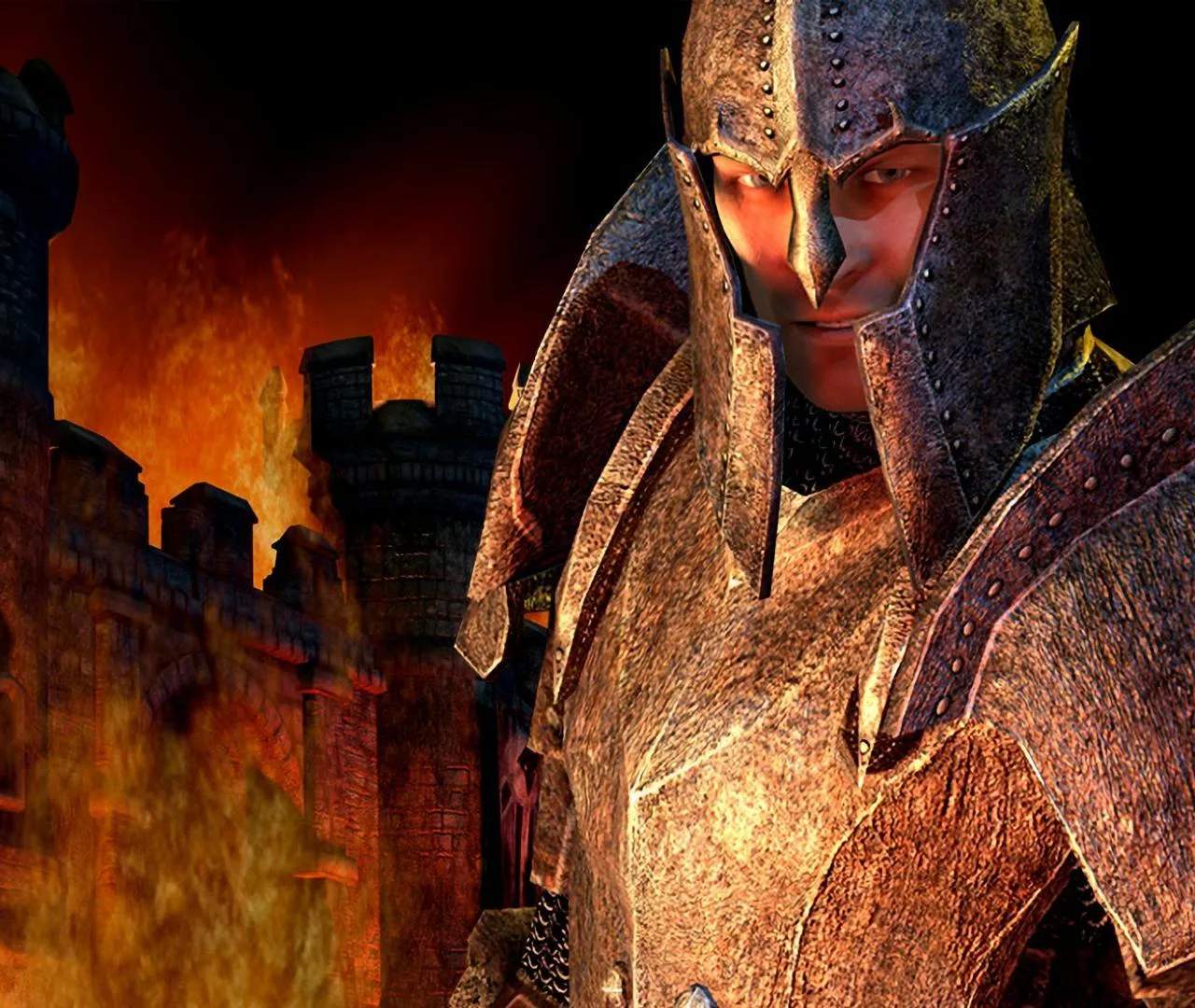
Lore & Deep Dive
The Elder Scrolls IV: Oblivion is set in a richly detailed world with a deep and intricate history, mythology, and cosmology. Understanding the lore of Tamriel, its gods, its peoples, and the forces that shape it, can profoundly enhance your gameplay experience. It provides context for quests, motivations for characters, and a deeper appreciation for the world you inhabit.
The lore of Oblivion encompasses a vast array of subjects, from the creation myths and the pantheon of gods and Daedric Princes to the history of the various races and the political landscape of the provinces. Delving into this lore can reveal hidden meanings in dialogue, explain the origins of powerful artifacts, and even hint at future events or challenges. It's a world built on layers of history, magic, and divine intervention.
Key areas of lore to explore include:
- The Aedra and Daedra: Understanding the distinction between these divine and daedric entities, their origins, and their influence on the mortal plane.
- The Races of Tamriel: Learning about the history, culture, and unique characteristics of each playable race (Humans, Elves, Beastfolk).
- The Imperial Province of Cyrodiil: Its geography, political structure, and the history of the Septim Empire.
- The Oblivion Crisis: The cataclysmic event that forms the backdrop of the main quest, involving the invasion of Tamriel by the Daedric Prince Mehrunes Dagon.
- Guilds and Factions: The history and motivations of organizations like the Mages Guild, Fighters Guild, and Thieves Guild.
- Mythology and Cosmology: The creation of the universe, the nature of souls, and the planes of Oblivion.
Sources of lore within the game include in-game books, dialogue with NPCs, environmental storytelling, and the quests themselves. The more you engage with these elements, the more the world of Oblivion will come alive, transforming it from a mere game world into a living, breathing history.