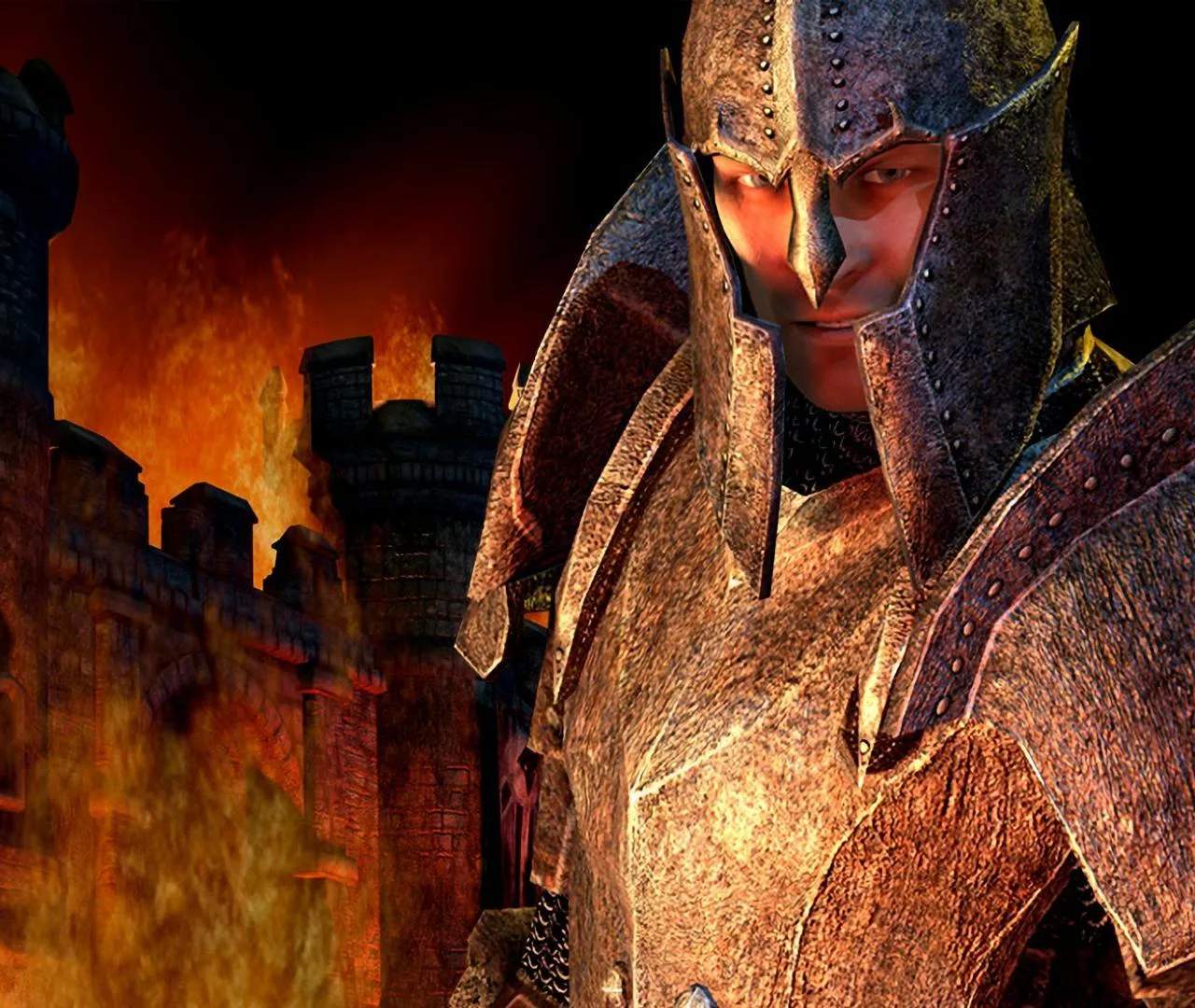
Modding Oblivion
The Elder Scrolls IV: Oblivion, despite its age, remains a popular title thanks to its extensive modding scene. Modding allows players to breathe new life into the game, enhancing graphics, adding new content, fixing bugs, and completely overhauling gameplay. This section provides a guide to getting started with modding Oblivion and highlights some essential tools and considerations.
Before you begin installing mods, it's crucial to have a stable base game. Ensure Oblivion is updated to the latest patch. It's also highly recommended to use a mod manager. The most common and effective tool for Oblivion is the Oblivion Mod Manager (OBMM). OBMM helps you install mods in a clean and organized manner, making it easier to manage conflicts and uninstall mods if necessary.
Another essential tool is a load order manager. While not as sophisticated as Skyrim's LOOT, tools exist to help sort your mods. A well-ordered load order is critical for preventing crashes and ensuring that mods function correctly. Generally, stability and bug-fix mods should be loaded early, followed by content mods, and then graphical overhauls.
When downloading mods, always check the requirements. Many mods depend on other mods or specific game versions. Read the mod descriptions and installation instructions carefully. Some mods require manual installation, while others can be installed directly through OBMM.
Key categories of Oblivion mods include:
- Unofficial Patches: The Unofficial Oblivion Patch is an absolute must-have. It fixes thousands of bugs left in the game by Bethesda, greatly improving stability and gameplay.
- Graphical Enhancements: Mods that improve textures, lighting, character models, and weather effects. Examples include Qarl's Texture Pack III, Oblivion Reloaded, and various retexture mods for armor and environments.
- Gameplay Overhauls: Mods that sificantly alter gameplay mechanics. Popular choices include Oscuro's Oblivion Overhaul (OOO), which rebalances creature and NPC levels, and Maskar's Oblivion Overhaul (MOO), which adds dynamic world events and new mechanics.
- New Content: Mods that add new quests, dungeons, items, spells, and even fully voiced companions. Examples include The Lost Spires, Kvatch Rebuilt, and numerous follower mods.
- UI Improvements: Mods that enhance the user interface, such as DarN UI, which provides a more PC-friendly interface.
Important Considerations:
- Compatibility: Always check if mods are compatible with each other. Mod authors often provide compatibility patches.
- Save Games: Create backups of your save files before installing new mods. It's generally not recommended to remove mods from an existing save game, as this can lead to corruption.
- Performance: Graphics-intensive mods can sificantly impact your game's performance. Ensure your system can handle the mods you install.
Modding Oblivion can be a complex but rewarding process. Start with essential stability mods and gradually add content and graphical enhancements as you become more comfortable.