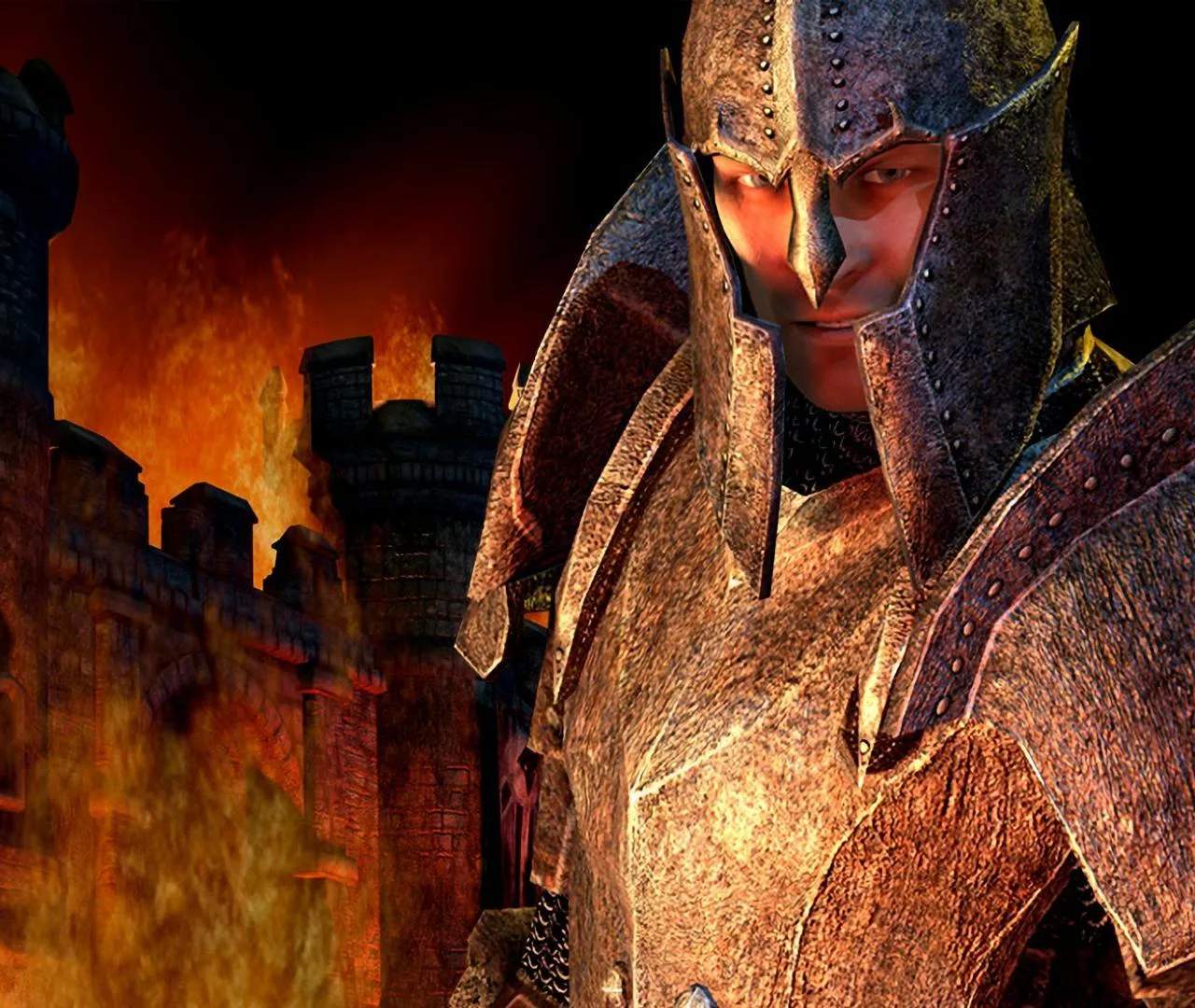
Modding Guide (PC Only)
The Elder Scrolls IV: Oblivion, with its vast open world and deep lore, is a prime candidate for player-created modifications. Modding can enhance graphics, add new quests, introduce new items, and even overhaul gameplay mechanics, offering a virtually endless replayability. This guide provides a foundational understanding of how to install and manage mods for Oblivion on PC.
Before diving into modding, it's essential to understand the basics of file management and the potential risks involved. Always back up your game files before installing any mods. Most mods are installed by placing their files into specific directories within your Oblivion installation folder, typically the 'Data' folder.
Essential Tools:
- Oblivion Mod Manager (OBMM): This is a crucial tool for managing your installed mods. It allows you to easily activate, deactivate, and uninstall mods, preventing conflicts and simplifying the process.
- Wrye Bash: For more complex mod setups, Wrye Bash is invaluable. It helps in creating a 'bashed patch' that merges leveled lists and other game data, resolving many common mod conflicts.
- LOOT (Load Order Optimisation Tool): While not as critical for Oblivion as for later Elder Scrolls titles, LOOT can help sort your load order to minimize conflicts.
Installation Process:
- Download Mods: Find mods from reputable sources like Nexus Mods. Read the mod descriptions carefully for installation instructions and any dependencies.
- Install OBMM: Set up Oblivion Mod Manager.
- Install Mods via OBMM: Most mods will come as .zip or .rar archives. Open OBMM, click 'Create', select the mod archive, and follow the prompts. This will create a virtual install for the mod.
- Activate Mods: In OBMM, select the mods you wish to use and click 'Activate'.
- Create a Bashed Patch (Recommended): After activating your mods, run Wrye Bash. Navigate to the 'Bashed Patch' option and create a new patch. This will merge many conflicting changes from your mods.
- Launch the Game: Start Oblivion through its launcher or OBMM.
Common Mod Types:
| Mod Type | Description |
|---|---|
| Graphics Enhancements | Improves textures, lighting, and visual effects. |
| New Quests & Content | Adds new storylines, characters, and locations. |
| Gameplay Overhauls | Changes combat, magic, skills, or economy. |
| UI Improvements | Enhances the user interface for better usability. |
Always remember to test your game after installing new mods and to uninstall them carefully if issues arise. Modding Oblivion can transform your experience, but it requires patience and attention to detail.