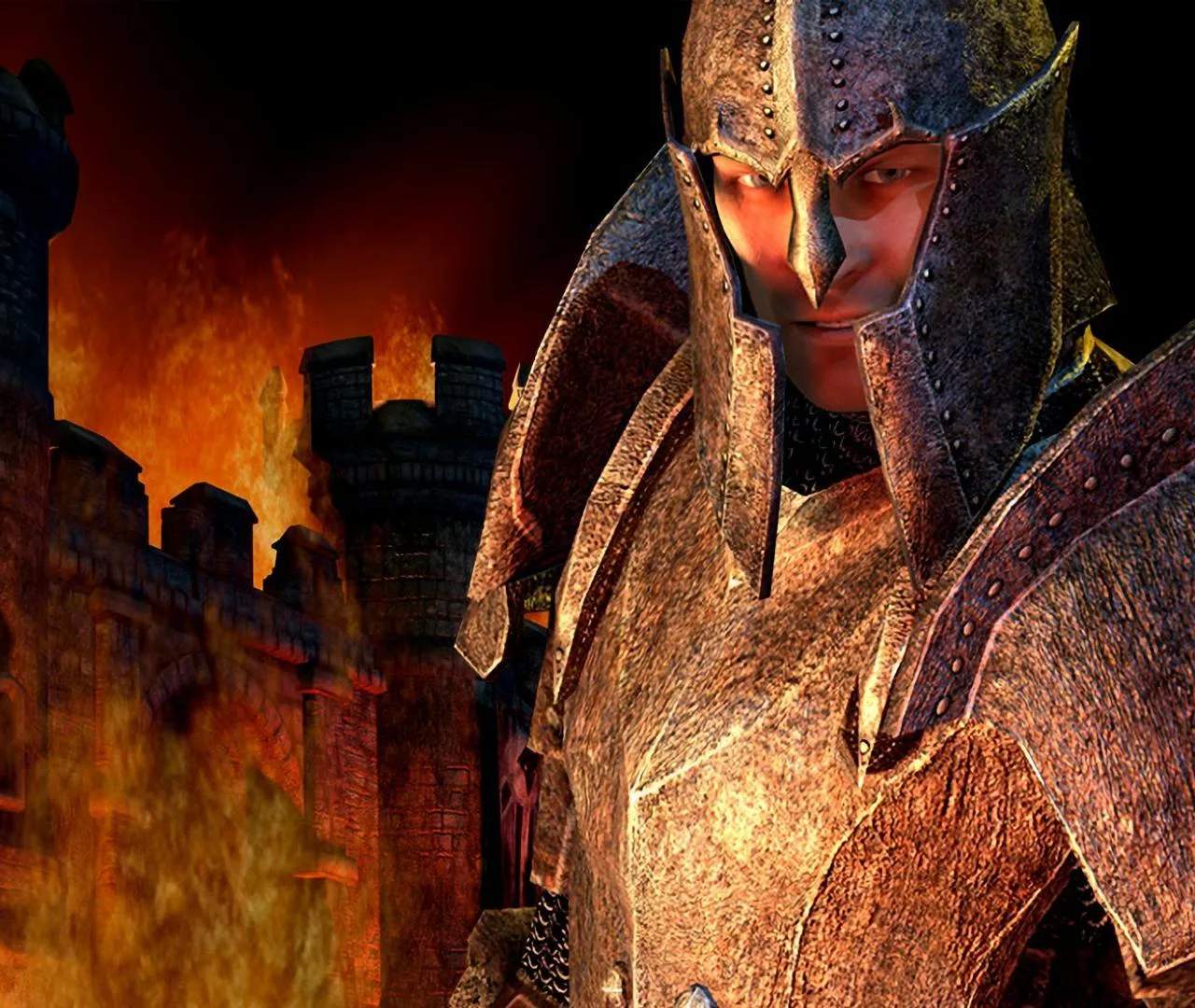
Modding Guide (Advanced)
The Elder Scrolls IV: Oblivion boasts an incredibly active and dedicated modding community, offering a vast array of modifications that can dramatically alter or enhance the game. This advanced guide assumes a basic understanding of file management and aims to provide insights into more complex modding techniques and considerations for a stable and enjoyable modded experience.
Essential Modding Tools:
- Wrye Bash: An indispensable tool for managing mods, creating merged patches, and resolving conflicts. It's crucial for larger mod lists.
- LOOT (Load Order Optimisation Tool): Automatically sorts your load order to prevent conflicts and ensure mods load correctly.
- TES4Edit (xEdit): A powerful tool for cleaning mods, resolving conflicts directly, and making advanced edits to game records.
- Mod Managers: While manual installation is possible, using a mod manager like Mod Organizer 2 (though primarily for Skyrim, principles apply) or Vortex can streamline the process and prevent overwriting issues. For Oblivion, Wrye Bash often serves as a de facto manager.
Key Modding Concepts:
- Load Order: The order in which mods are loaded by the game. Incorrect load order is a primary cause of instability. LOOT is essential for managing this.
- Conflict Resolution: When multiple mods alter the same game records (e.g., changing an NPC's stats), conflicts arise. Wrye Bash's Bashed Patch and TES4Edit are used to resolve these conflicts by merging changes.
- Master Files: Some mods require other mods (master files) to be installed first. Always check mod requirements.
- BSA Archives: Game assets are often packed into BSA (Bethesda Softworks Archive) files. Mod managers can help extract and manage these, or tools like BSA Browser can be used.
- INI Tweaks: Oblivion's configuration files (INI) can be tweaked to improve performance, graphics, and gameplay. Be cautious and back up your INI files before making changes.
Advanced Modding Techniques:
- Creating a Bashed Patch: Wrye Bash allows you to create a 'Bashed Patch' that merges leveled lists, NPC records, and other game data from multiple mods, sificantly reducing conflicts. This is a critical step for larger mod lists.
- Cleaning Mods with TES4Edit: TES4Edit can be used to remove 'dirty edits' (unnecessary or erroneous changes) from mods, improving stability.
- Script Extenders: Some complex mods require script extenders to function. While Oblivion's script extender (OBSE) is essential for many mods, advanced users might explore other specialized tools if available.
- Custom Mod Creation: For the truly advanced, tools like the Creation Kit (though primarily for newer Bethesda games) or older tools like the Construction Set can be used to create your own mods, from simple item additions to complex questlines.
Troubleshooting:
- Start Small: Begin with a few mods and gradually add more, testing stability after each addition.
- Read Descriptions Carefully: Always read mod descriptions thoroughly for installation instructions, requirements, and known issues.
- Backup Saves: Regularly back up your save files before installing or uninstalling mods.
- Use a Mod Manager: A good mod manager can help prevent installation errors and make uninstalling mods cleaner.
Advanced modding requires patience and a willingness to learn. By utilizing the right tools and understanding these concepts, you can transform Oblivion into a truly unique and personalized experience.