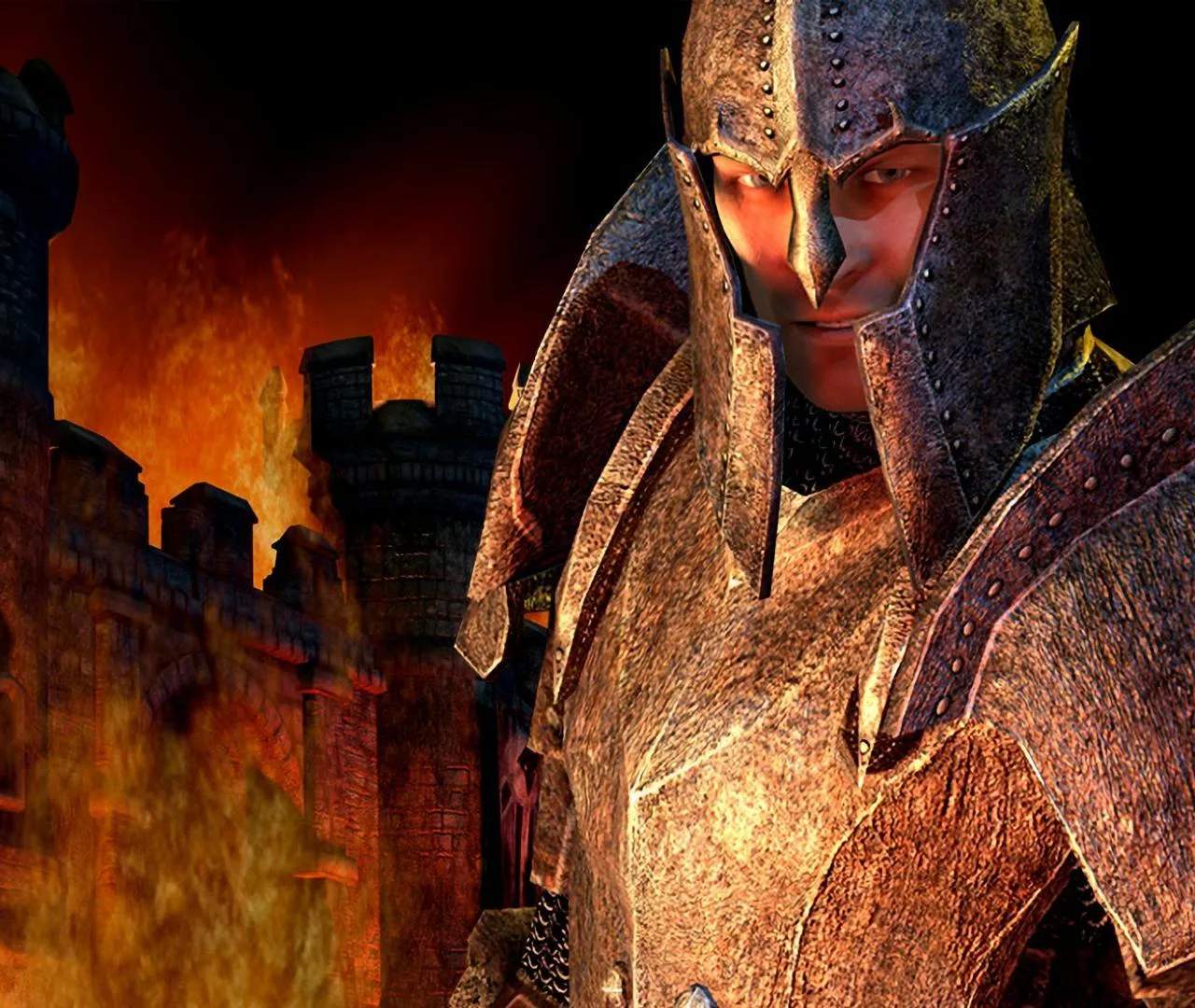
Non-Player Characters (NPCs)
The world of Oblivion is populated by a diverse array of Non-Player Characters (NPCs), each with their own routines, personalities, and roles to play. From shopkeepers and quest-givers to companions and enemies, interacting with NPCs is fundamental to experiencing the game's story, economy, and social dynamics.
NPCs can be broadly categorized by their function. Merchants sell goods and services, trainers improve your skills, and quest-givers provide objectives and rewards. Many NPCs also have their own daily schedules, moving between their homes, workplaces, and taverns. Understanding these routines can be beneficial for finding specific individuals or for planning heists if you're a member of the Thieves Guild.
Key NPC Interactions and Functions
- Merchants: Buy and sell goods. Found in shops and marketplaces.
- Trainers: Improve your skills for a fee. Located in guilds and specialized establishments.
- Quest Givers: Provide tasks and objectives. Found throughout the world, often marked on your map.
- Companions: Some NPCs can accompany you on your adventures.
- Guards: Enforce the law; can be bribed or fought.
- Fences: Special merchants who buy stolen goods (Thieves Guild members only).
Disposition plays a sificant role in your interactions with NPCs. A higher disposition can lead to better prices from merchants, more information from quest-givers, and even unique dialogue options. You can improve disposition through conversation, gifts, or by completing quests for them. Conversely, a low disposition can result in hostility or refusal to interact.
Certain NPCs are crucial for advancing specific questlines. For example, Armand Christophe is the initial contact for the Thieves Guild, and Raminus Polus is central to the Mages Guild. Building relationships with key figures can unlock new opportunities and storylines. Pay attention to dialogue, as it often contains valuable hints about the world, its inhabitants, and potential quests.