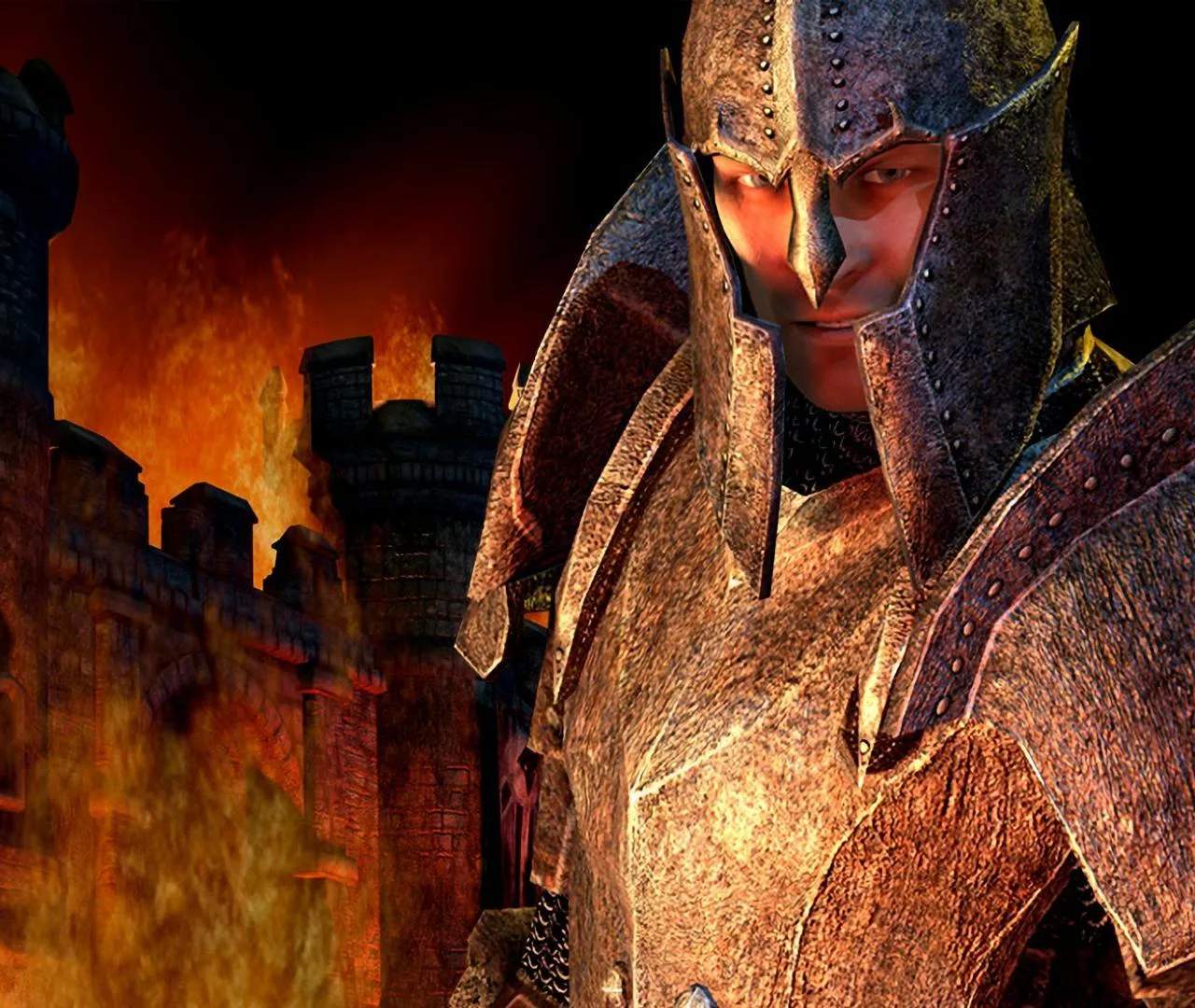
Embracing Vampirism in Oblivion
Vampirism in Oblivion is a unique condition that offers both powerful advantages and sificant drawbacks, fundamentally altering how a player interacts with the world. Becoming a vampire can grant enhanced abilities in combat and stealth but also makes You vulnerable to sunlight and reliant on blood for sustenance. It's a path that appeals to players seeking a darker, more challenging playstyle.
You can contract vampirism through various means, most commonly by being attacked by a vampire. The disease, known as Porphyric Hemophilia, has a chance to infect the player. If left untreated for three days, You will transform into a vampire. The transformation typically occurs at midnight, and You will awaken with new abilities and a thirst for blood.
As a vampire, players gain several Vampire Abilities. These often include enhanced speed, strength, and illusion magic, as well as the ability to cast a powerful draining spell. However, these benefits come at a cost. Vampires suffer from Sunlight Vulnerability, taking damage when exposed to direct sunlight. They also experience a sificant decrease in their ability to use Restoration magic and are often met with hostility from NPCs, especially during the day.
Key aspects of vampirism:
- Contracting the Disease: Porphyric Hemophilia from vampire attacks.
- Transformation: Occurs three days after infection, typically at midnight.
- Vampire Abilities: Enhanced speed, strength, illusion magic, draining spells.
- Sunlight Vulnerability: Damage taken in direct sunlight.
- NPC Hostility: Increased negative reactions from townspeople.
- Feeding: Required to maintain strength and avoid weakness.
To manage vampirism, players must learn to feed on sleeping NPCs to sustain their power and avoid becoming weakened. This often involves nocturnal activities and careful planning to avoid detection. While challenging, embracing vampirism can lead to a unique and rewarding playthrough, offering a distinct perspective on the world of Oblivion.