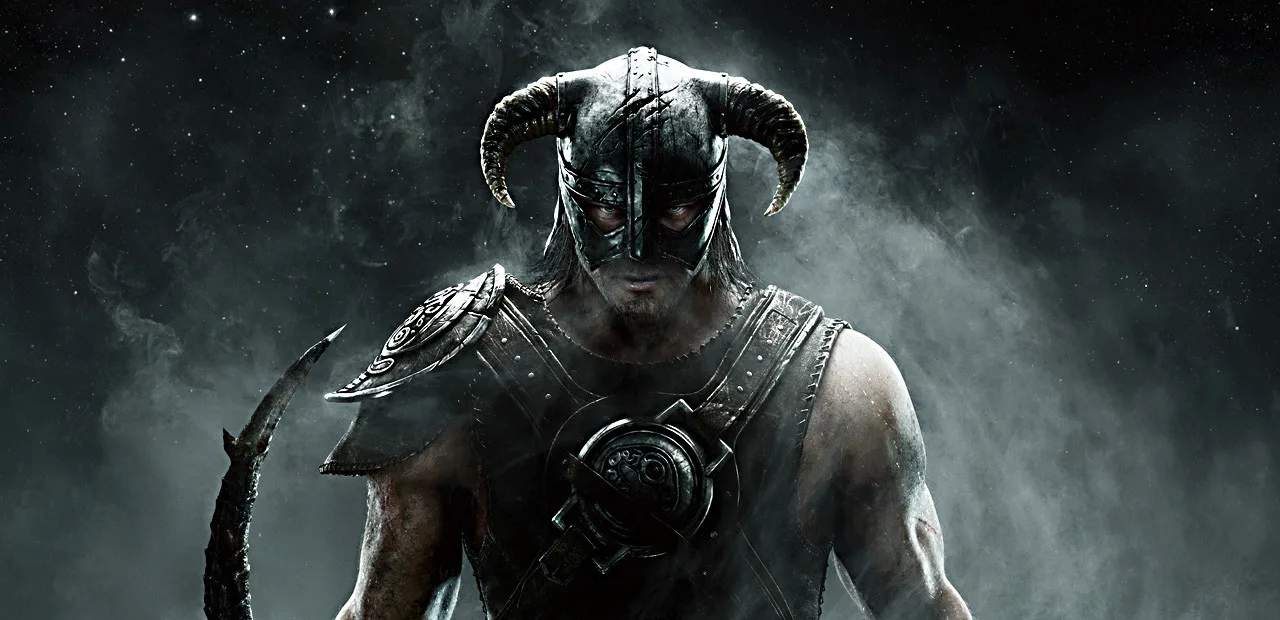
Difficulty Settings & Their Impact
Skyrim offers a flexible difficulty system that allows players to tailor the challenge to their preferences. Adjusting the difficulty settings can sificantly alter the combat experience, affecting enemy damage, player damage, and the overall survivability of both you and your foes. Understanding these settings is key to finding the right balance for your playthrough.
Skyrim's difficulty can be adjusted at any time through the game's settings menu. The default difficulty is set to 'Adept'. The game offers five distinct difficulty levels:
- Novice: Enemies deal 0.75x damage, and you deal 1.5x damage. This is the easiest setting, ideal for players who want to focus on story and exploration without sificant combat challenges.
- Apprentice: Enemies deal 1.0x damage, and you deal 1.25x damage. A slight step up from Novice, offering a bit more challenge while remaining quite forgiving.
- Adept: Enemies deal 1.0x damage, and you deal 1.0x damage. This is the balanced, default setting, offering a fair challenge for most players.
- Expert: Enemies deal 1.5x damage, and you deal 0.75x damage. Combat becomes sificantly more dangerous. Enemies hit harder, and you need to be more strategic and careful in your engagements.
- Master: Enemies deal 2.0x damage, and you deal 0.5x damage. This is the hardest setting, where even basic enemies can pose a serious threat. Survival requires meticulous planning, optimal gear, and a deep understanding of combat mechanics.
The impact of difficulty settings on gameplay:
- Combat Intensity: Higher difficulties make combat more lethal. Enemies will take longer to kill, and you will die much faster if you make mistakes. This encourages more tactical play, such as using cover, exploiting enemy weaknesses, and employing crowd control.
- Resource Management: On higher difficulties, healing potions and stamina/magicka management become much more critical. You'll need to be more judicious with your resources.
- Gear and Skill Importance: The effectiveness of your gear and the synergy of your chosen skills become paramount on higher difficulties. Well-enchanted armor and weapons, along with optimized perk choices, can make a sificant difference.
- Exploration and Strategy: Higher difficulties can encourage more exploration to find better gear and resources, as well as a more cautious approach to engaging enemies. You might find yourself avoiding certain encounters or using stealth more often.
- Lore and Roleplaying: For some players, adjusting the difficulty is part of their roleplaying experience. A frail mage might play on Novice to focus on spellcasting, while a seasoned warrior might choose Master to feel the true peril of Skyrim.
Choosing the right difficulty:
- New Players: Start on Novice or Apprentice to get a feel for the game's mechanics and enjoy the story without being overly challenged.
- Average Players: Adept is a good starting point, offering a balanced experience.
- Experienced Players: If you're looking for a more intense combat experience, try Expert.
- Hardcore Players: Master difficulty is for those who crave the ultimate challenge and want to truly feel the danger of Skyrim.
It's important to remember that difficulty settings do not affect loot drops, experience gain, or the availability of quests. They solely impact combat effectiveness. Don't be afraid to experiment with different settings to find what suits your playstyle best. You can always change it later if you find it too easy or too difficult.