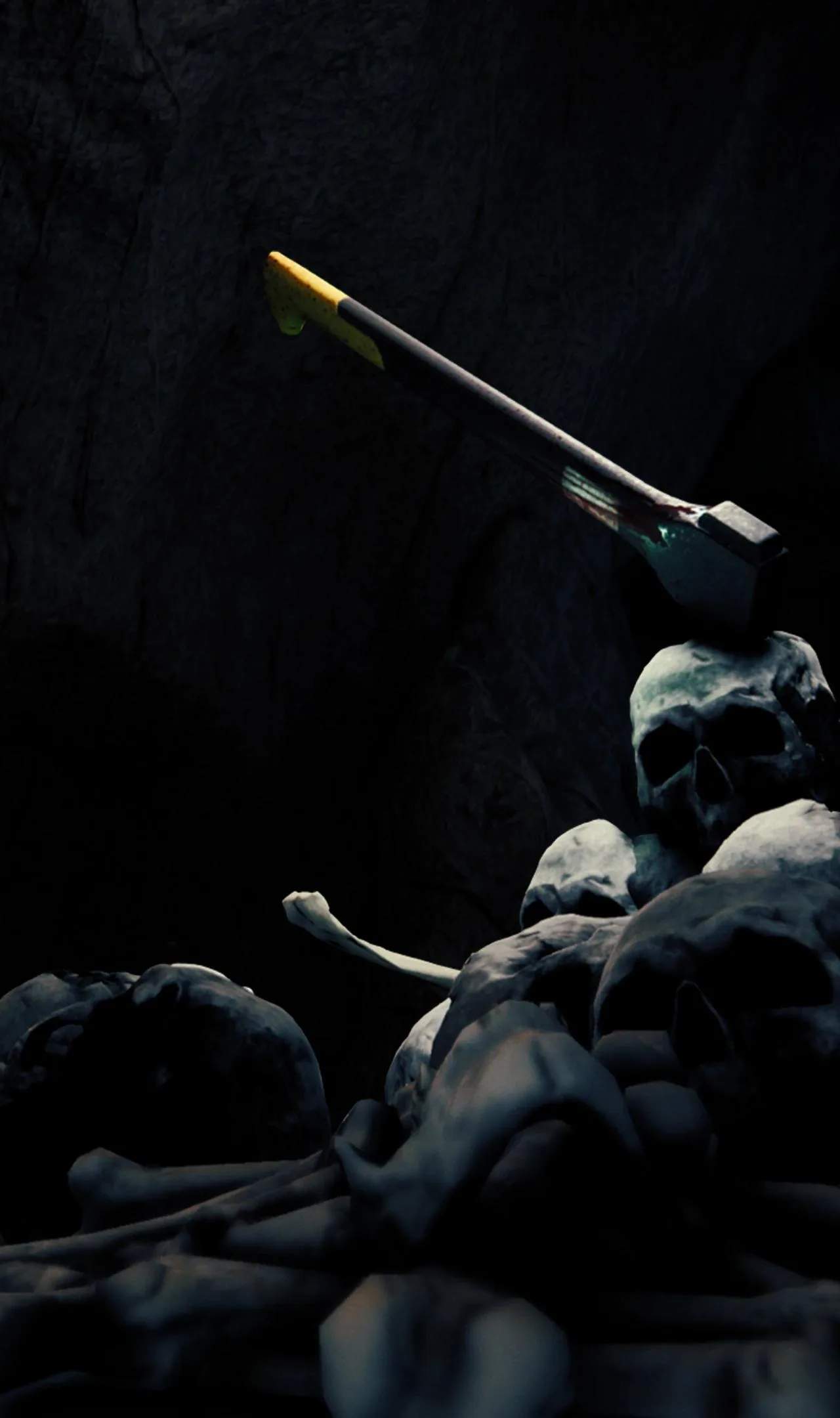
The Explorer/Scavenger
The Explorer/Scavenger build is for those who thrive on uncovering every secret, every hidden lore piece, and every resource the mysterious peninsula has to offer. Your primary goal is comprehensive discovery, making efficient movement, ample storage, and specialized exploration tools your top priorities. While direct combat is not your specialization, you must be prepared for the inevitable encounters with the island's inhabitants.
Prioritizing Mobility & Carrying Capacity
Efficient exploration hinges on your ability to move quickly and carry enough supplies and discoveries. Here's how to maximize these crucial aspects:
Mobility Enhancements:
- Stamina Management:
- Food & Drink: Always carry a good supply of high-stamina foods like Cooked Meat, Dried Meat, or Candies. Blueberries and Mushrooms (especially Amanita and Jack 'o' Lantern) can provide quick, albeit temporary, stamina boosts.
- Hydration: Staying hydrated prevents stamina drain. Craft a Waterskin early on (1x Deer Skin, 1x Rope) and keep it filled at all times.
- Light Armor: Avoid heavy armor sets that penalize stamina regeneration or movement speed. Stick to lighter options like Bone Armor or Creepy Armor (when necessary for defense) or even no armor for maximum agility.
- Movement Tools:
- Climbing Axe: Absolutely essential for vertical exploration. Found in the Rebreather Cave (Cave 5), often near the Rebreather itself. It allows access to otherwise unreachable ledges and shortcuts, significantly reducing travel time.
- Rebreather: Crucial for underwater exploration, opening up submerged cave sections and pathways. Located in Cave 5 (Rebreather Cave), accessible from the main cannibal camp area near the fertile lands. You'll need to navigate some tight, water-filled passages.
Carrying Capacity Upgrades:
- Crafted Backpack: Your first priority for expanding inventory. Craft it from 2x Deer Skin, 2x Cloth, 3x Rope. This significantly increases your general inventory slots.
- Pouch Items:
- Rock Bag: (3x Rabbit Fur, 1x Rope) Allows you to carry 10 rocks instead of 5.
- Stick Bag: (3x Rabbit Fur, 1x Rope) Allows you to carry 20 sticks instead of 10.
- Berry Pouch: (2x Rabbit Fur) Allows you to carry 30 berries instead of 10.
- Quiver: (3x Rabbit Fur, 1x Rope) Essential for carrying more arrows (up to 30 per quiver). Craft multiple if you plan on using the bow extensively.
- Log Sled: While not a personal inventory item, the Log Sled (7x Sticks, 2x Rope) is invaluable for transporting large quantities of logs, rocks, or even bodies back to a central base or temporary shelter. It's a must-have for setting up forward operating bases.
Essential Exploration Tools & Acquisition
Beyond mobility, specific tools are vital for accessing all areas and surviving the journey.
| Tool | Purpose | Acquisition (Early Game) | Notes |
|---|---|---|---|
| Climbing Axe | Vertical traversal, accessing ledges | Cave 5 (Rebreather Cave) | Requires navigating a dangerous cave. Essential for 100% exploration. |
| Rebreather | Underwater exploration, accessing submerged passages | Cave 5 (Rebreather Cave) | Found in the same cave as the Climbing Axe. Bring air tanks! |
| Flashlight | Illumination in dark areas (caves, night) | Found in various caves, often near dead passengers or cannibals. Reliable spawn in Cave 5. | Requires Batteries (found in suitcases, cannibal camps, planes). |
| Map & Compass | Navigation, tracking discovered locations | Found in Cave 5 (Rebreather Cave), near the entrance. | Automatically updates as you explore. Crucial for systematic discovery. |
| Lighter | Basic light, starting fires | Starting inventory | Infinite use, but limited light radius. |
| Walkie Talkie | Story progression, finding other survivors | Found in various caves, often near story-related items. | Listen for static or voices to pinpoint locations. |
Early Game Exploration Route: The Rebreather Cave Priority
For an Explorer/Scavenger, your very first major objective after securing basic survival should be to acquire the Map, Compass, Rebreather, and Climbing Axe. All of these critical items are found in or around Cave 5 (Rebreather Cave).
- Initial Survival & Basic Gear:
- Craft a Stone Axe (1x Rock, 1x Stick, 1x Rope).
- Craft a Spear (2x Sticks).
- Gather enough resources for a Small Shelter (10x Logs, 10x Sticks) for saving and respawning. Place it strategically near the fertile lands or a beach.
- Hunt a few deer/rabbits for Deer Skin to craft a Crafted Backpack and Waterskin.
- Collect Cloth and Rope from suitcases and cannibal camps.
- Locating Cave 5:
- Head towards the large cannibal camp located in the fertile lands, typically identifiable by a large number of effigies and huts. This camp is often found inland from the main beach where the plane crashes.
- The entrance to Cave 5 is usually found on the western side of this large camp, often partially obscured by rocks and trees. Look for a narrow opening in the cliff face.
- Navigating Cave 5:
- Preparation: Bring plenty of healing items (Aloe Vera, Marigold, Chicory for Health Mix+), a few basic weapons (Crafted Axe, Spear), and ideally a few Molotovs or bombs for crowd control. Air Tanks are crucial for the Rebreather.
- Map & Compass: These are usually found very early in the cave, often right after the first crawl space, near a dead passenger. Pick them up immediately to aid your navigation.
- Rebreather: Continue deeper into the cave. You will encounter several water-filled sections. The Rebreather is typically found in a small, dry chamber after a significant underwater swim. Look for a dead diver.
- Climbing Axe: Further into the cave, often after the Rebreather section, you'll encounter vertical rock faces. The Climbing Axe is usually found impaled into a rock face or near another dead explorer.
- Enemies: Be prepared for regular cannibals, Virginia, and Armsy mutants. Use choke points and your basic weapons. Molotovs are excellent for groups.
Explorer/Scavenger Loadout Recommendations
While not a combat specialist, you need reliable tools for defense and resource gathering.
Weapons (Balancing Effectiveness & Weight):
- Early Game:
- Crafted Axe: (1x Stick, 1x Rock, 1x Rope) Your first reliable weapon. Decent damage and wood-cutting ability.
- Upgraded Spear: (1x Spear + 3x Bones + 2x Cloth) Excellent for ranged combat (throwing) and keeping enemies at bay. Lightweight.
- Bow & Crafted Arrows: (1x Stick, 1x Cloth, 1x Rope for Bow; 1x Stick, 5x Feathers for 5x Arrows) Essential for hunting and silent takedowns. Prioritize crafting a Quiver.
- Mid-Game (Post-Cave 5):
- Modern Axe: (Found in a cannibal camp, often near the fertile lands or a small pond) Superior to the Crafted Axe for both combat and resource gathering.
- Katana: (Found in Cave 1, the Dead Cave) Extremely fast and high damage, but no utility for chopping. Excellent for close-quarters combat.
- Crossbow: (Found in the sinkhole cave system) Powerful ranged weapon, but bolts are rarer.
Armor (Prioritizing Defense with Minimal Mobility Impact):
- Early Game:
- Bone Armor: (10x Bones, 2x Cloth) Provides decent protection without significant mobility penalties. Bones are easily acquired from defeated cannibals or bone piles.
- Mid-Game:
- Creepy Armor: (1x Mutant Skin) Offers the best protection in the game. However, it's heavy and can slow you down slightly. Use it strategically for dangerous cave delves or boss fights, but consider removing it for general surface exploration.
Strategies for Efficient Exploration
- Map Usage:
- Frequent Checks: Regularly open your map to identify explored areas, mark points of interest (using custom markers), and plan your next route.
- Cave Entrances: As you discover cave entrances, mark them clearly. Some caves have multiple entrances/exits.
- Landmarks: Use natural landmarks (mountains, rivers, unique rock formations) to orient yourself, even before you have the compass.
- Environmental Cues:
- Cannibal Camps: Smoke plumes indicate active cannibal camps, often containing valuable resources like Cloth, Rope, and food.
- Bird Sounds: Can indicate nearby animals for hunting.
- Mutant Growls/Screams: A clear warning of danger. Be prepared to fight or flee.
- Story Documents/Photos: Often found near abandoned camps, plane crash sites, or in caves. Look for small, interactable papers.
- Temporary Shelters & Forward Operating Bases (FOBs):
- Small Shelters: Crucial for saving your game and setting a respawn point during long expeditions. Place them strategically at the entrance of major caves or in remote areas you plan to explore extensively.
- Hunting Shelters: (10x Logs, 10x Sticks) A more robust option for a temporary base, offering a bed and storage.
- Resource Caches: Utilize Log Sleds or small storage structures to create temporary caches of resources (logs, rocks, food) in areas you frequent for building or crafting.
- Systematic Exploration:
- Grid Search: For surface exploration, try to move in a systematic pattern (e.g., sweeping north-south, then east-west) to ensure you cover all ground.
- Ridge Walking: Following mountain ridges often provides good vantage points to spot points of interest and avoid dense forest.
- Coastal Path: Circumnavigating the island's coastline is a relatively safe way to discover many beach camps, shipwrecks, and some cave entrances.
Common Pitfalls for Explorers:
- Underestimating Cannibals: Even basic cannibals can quickly overwhelm an unprepared explorer. Always have a weapon ready.
- Lack of Light: Entering caves without a reliable light source (Flashlight, Lighter) is a death sentence.
- Running Out of Air Tanks: For Rebreather sections, always carry spare Air Tanks. They are found in suitcases and some cave locations.
- Getting Lost: Without the Map and Compass, it's easy to lose your bearings. Prioritize these items.
- Ignoring Hunger/Thirst: Keep your meters full. Starvation and dehydration severely impact stamina and health.