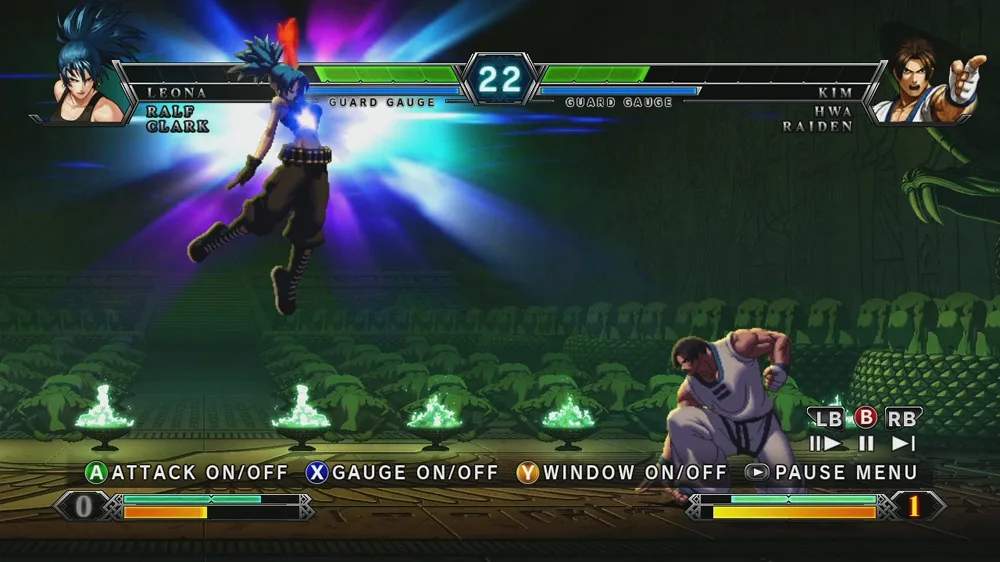
Version Differences (Arcade vs. Console)
While this guide primarily focuses on the Arcade version of The King of Fighters XIII, it's crucial for players transitioning to or from the console versions (PlayStation 3, Xbox 360, PC, etc.) to understand the significant differences. These changes can impact character viability, combo routes, and overall game strategy. Always be mindful of which version you're playing when practicing or watching competitive matches.
Character Roster & Balance
The most immediate difference lies in the character selection and their individual balance. The console versions received several updates and additions that were not present in the initial Arcade release.
- Exclusive Console Characters:
- Billy Kane: A fan-favorite, Billy was added as a DLC character for consoles. His unique staff-based combat style offers a different approach to zoning and pressure.
- Saiki (Human Form): While Saiki appears as a boss in the Arcade version, his playable human form was a console exclusive, offering a distinct moveset from his boss counterpart.
- NESTS Style Kyo: This alternate version of Kyo, featuring his classic KOF '99-2002 moveset, was another console DLC addition, providing a nostalgic option for long-time fans.
- EX Characters: Several characters received "EX" versions as DLC, such as EX Kyo, EX Iori, and EX Terry. These versions often have altered movesets, properties, and damage output, significantly changing their playstyle.
- Balance Patches: The console versions underwent several balance adjustments (often referred to as "patches" or "revisions") that tweaked character damage, frame data, hitboxes, and meter gain. The Arcade version, particularly the initial release, is generally considered less balanced with certain characters being significantly stronger or weaker than their console counterparts. consult specific patch notes for detailed changes to their main characters.
Gameplay Mechanics & System Changes
Beyond the roster, some core gameplay mechanics saw refinements or alterations in the console releases.
- Neo Max Cancel Window: In the Arcade version, the window for canceling a Super Special Move into a Neo Max was often stricter. Console versions generally provided a more lenient window, making Neo Max combos more accessible. This can affect optimal combo routes and damage potential.
- Guard Cancel Blowback (CD Counter): While present in both, the properties or meter cost might have seen minor adjustments in console updates. Always verify the exact frame data and meter consumption for your chosen character.
- Drive Cancel Properties: The cancel windows and effectiveness of Drive Cancels could vary slightly. Some console patches aimed to standardize or refine these mechanics for a smoother experience.
- Input Buffer: Console versions often feature a more forgiving input buffer, which can make executing complex combos and special moves easier for some players compared to the tighter Arcade input window.
Modes and Features
The console versions offer a wealth of additional content beyond the core fighting experience found in the Arcade.
- Story Mode: A comprehensive and fully voiced Story Mode was a major addition to the console versions, expanding on the lore and character interactions. The Arcade version only features a brief ending sequence.
- Trial Mode: Console versions include an extensive Trial Mode, offering character-specific combo challenges that are invaluable for learning advanced techniques and optimizing damage.
- Tutorial Mode: A dedicated Tutorial Mode helps new players understand the game's mechanics, from basic movement to advanced meter management.
- Online Play: Robust online multiplayer modes, including ranked and player matches, are a staple of the console releases. The Arcade experience is primarily local versus.
- Customization Options: Console You can often customize character colors, unlock artwork, and access a music player, features typically absent in the barebones Arcade experience.
- Practice Mode Enhancements: Console Practice Modes often include more advanced options like frame data display, dummy recording, and various meter settings, making it a superior training ground.
Visuals and Performance
While the core art style remains consistent, there can be subtle differences in presentation.
- Resolution and Anti-aliasing: Console versions, especially on modern platforms or PC, may offer higher resolutions and improved anti-aliasing, resulting in a cleaner visual presentation.
- Loading Times: Depending on the console and installation, loading times might be faster or slower than the Arcade's dedicated hardware.
- Input Lag: This is a critical point for competitive players. While modern console versions have strived to reduce input lag, the Arcade version on dedicated hardware often provides the most direct and responsive control. Players sensitive to input delay should be aware of potential differences.
Recommendation for Arcade Players: If you're primarily an Arcade player, be aware that console footage or guides might showcase combos or strategies that rely on console-exclusive characters or balance changes. Always verify if a technique is viable in the Arcade version before investing significant practice time.
Recommendation for Console Players: When playing the Arcade version, expect a more raw and potentially less forgiving experience. The absence of certain characters and the differing balance can require significant adaptation of your established strategies.