Environment
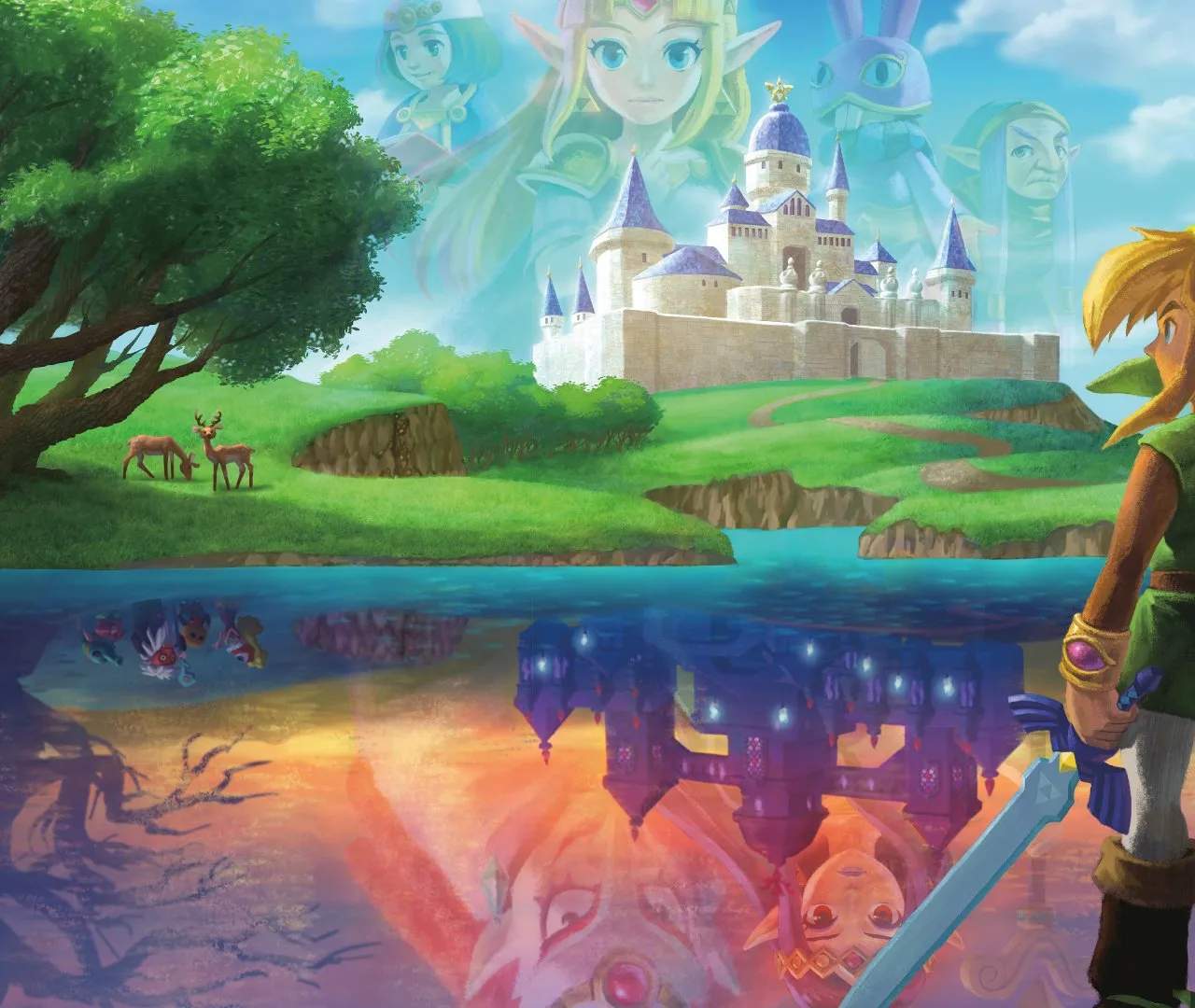
The world of Hyrule and its dark counterpart, Lorule, are rich with interactive elements that Link can utilize to solve puzzles, uncover secrets, and gain an advantage in combat. Mastering these environmental interactions is key to becoming a true hero.
Merging with Walls
Link's unique ability to merge into walls as a 2D painting is perhaps the most fundamental environmental interaction in A Link Between Worlds. This mechanic allows for traversal across gaps, bypassing obstacles, and even solving combat encounters.
- Activating Merge: Press the A button when standing flush against a wall or certain flat surfaces. Link will transform into a painting and adhere to the surface.
- Traversing Gaps: While merged, you can move horizontally along walls. This is crucial for crossing chasms or reaching ledges that are otherwise inaccessible. Look for cracks, ledges, or distinct wall patterns that indicate a mergeable path.
- Accessing Hidden Areas: Many dungeons and overworld locations feature subtle wall sections that can be merged with to reveal hidden rooms, chests, or alternative routes. Always check suspicious-looking walls.
- Dodging Attacks: In combat, merging can be a powerful defensive tool. When an enemy attacks, quickly merge into a nearby wall to become invulnerable to physical damage. This is especially useful against enemies with wide-area attacks or projectiles.
- Wall Switches: Some puzzles require Link to merge onto a wall and then interact with a switch or object from a different perspective. For example, a switch might be on the opposite side of a wall, only accessible by merging and circling around.
Puzzles and Objects
Beyond merging, numerous environmental objects play a crucial role in progression and discovery.
Pushable Blocks
These classic Zelda staples return. Use Link's strength to push blocks into specific positions to:
- Activate Floor Switches: Many floor switches require a heavy object to remain pressed down.
- Create Pathways: Blocks can fill gaps or create new platforms to jump across.
- Block Enemy Movement: Strategically placed blocks can funnel enemies or create temporary barriers.
Strategy: Remember that blocks can usually only be pushed, not pulled. Plan your movements carefully to avoid getting a block stuck in an unrecoverable position.
Bombable Walls and Floors
Keep an eye out for cracked walls or discolored floor sections. These indicate areas that can be destroyed with a well-placed bomb.
- Hidden Caves: The overworld of Hyrule and Lorule is dotted with hidden caves containing rupees, items, or even Maiamais. Look for subtle cracks in cliff faces.
- Dungeon Secrets: Dungeons frequently use bombable walls to reveal new paths, treasure chests, or puzzle solutions. If you're stuck, try bombing every suspicious wall.
- Item: You'll need the Bomb item, which can be rented or purchased from Ravio's Shop.
Torches and Lanterns
Dark areas are common, especially in dungeons. Torches and lanterns serve multiple purposes:
- Illumination: Use the Lantern (rentable/purchasable from Ravio) to light up dark rooms, revealing paths, enemies, and hidden items.
- Puzzle Elements: Some puzzles require lighting a specific sequence of torches or lighting all torches in a room to open a door or reveal a secret.
- Enemy Weaknesses: Certain enemies, particularly those found in dark areas, may be vulnerable to light.
Strategy: Equip the Lantern and use it proactively in any dimly lit area. Don't be afraid to experiment with lighting unlit torches, even if it doesn't seem immediately obvious why.
Switches and Levers
These come in various forms and are integral to dungeon progression.
- Floor Switches: Step on them, or place a heavy object (like a block) on them, to activate mechanisms.
- Wall Switches: Hit these with your sword, an arrow, or another projectile to trigger an effect.
- Levers: Interact with these to open doors, extend bridges, or change the flow of water.
Tip: If a switch isn't responding, consider if you need to hit it from a specific angle, with a particular item, or if another environmental factor needs to be addressed first.
Water and Currents
Water plays a role in both traversal and puzzle-solving.
- Swimming: Link can swim in shallow water. Deep water will require the Zora's Flippers (found in the Zora's Domain) to navigate.
- Currents: Be mindful of strong currents that can push Link around. Sometimes, these currents are part of a puzzle, requiring you to use them to reach an otherwise inaccessible area.
- Water Levels: In some dungeons, you'll find mechanisms to raise or lower water levels, changing the layout of the area and opening new paths.
Vines and Ladders
These provide vertical access to higher or lower areas.
- Climbing: Simply walk into a vine or ladder to begin climbing.
- Hidden Paths: Some vines are partially obscured or require a specific item (like the Hookshot) to reach initially.
By paying close attention to your surroundings and experimenting with your available items and abilities, you'll uncover all the secrets Hyrule and Lorule have to offer.