Rupee Management & Best Uses
While rupees might seem abundant in Holodrum, effective management is key to acquiring essential upgrades and progressing smoothly. This section will guide you through maximizing your rupee income and making the smartest purchases.
Early Game Rupee Acquisition (Before Dungeon 3)
In the early stages, every rupee counts. Focus on these methods:
- Grass Cutting & Bush Chopping: Always clear vegetation as you travel. You'll frequently find 1-Rupee and 5-Rupee drops.
- Pot Smashing: Inside houses, dungeons, and caves, smash every pot you see. Many contain rupees.
- Enemy Drops: Certain enemies, like Octoroks and Moblins, often drop rupees upon defeat. Prioritize defeating them when you need a quick cash injection.
- Hidden Grottoes: Keep an eye out for suspicious patches of ground or cracked walls. Bombing these can reveal hidden caves with rupee chests. For example, a hidden grotto near the entrance to the Woods of Winter often contains a 30-Rupee chest.
- Subrosian Dance Hall: After completing the first dungeon, you can visit the Subrosian Dance Hall in Subrosia. Participating in the dance minigame can earn you rupees, especially if you master the rhythm. This is a reliable early-game income source.
Mid-Game Rupee Farming (After Dungeon 3, Before Dungeon 6)
As you gain more items, your rupee-earning potential increases. Here's how to capitalize:
- Mystery Seeds & Gasha Seeds: While not direct rupee sources, these can lead to valuable items that save you rupees (like Potions) or even rare rings that can be appraised for a high value at the Ring Shop. Plant Gasha Seeds in fertile soil patches whenever you find them.
- Bombable Walls & Cracks: With the Bombs acquired from the first dungeon, revisit earlier areas and look for bombable walls. Many hide caves with significant rupee stashes (e.g., 50-Rupee chests).
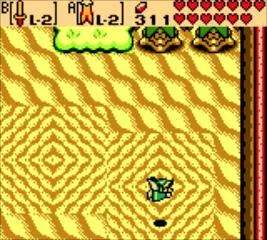
- Underwater Areas (with Zora's Flippers): Once you obtain Zora's Flippers from Dungeon 3: Poison Moth's Lair, explore underwater sections. Many contain large rupee deposits or chests. The underwater caves in Samasa Desert are particularly lucrative.
- Mini-Games:
- Target Carts (Horon Village): For 10 Rupees, you can play a target practice game. With good aim, you can consistently earn 30-50 Rupees per round.
- Subrosian Volcano Maze: While primarily for collecting Ore Chunks, some paths in the maze lead to chests containing 20-50 Rupees.
Late Game Rupee Accumulation (After Dungeon 6)
By this point, you should have a good grasp of the game and access to most areas. Focus on efficiency:
- Revisiting Dungeons: Many dungeons have rooms with respawning enemies that drop rupees, or pots that reappear. A quick run through the early rooms of Dungeon 1: Gnarled Root Dungeon or Dungeon 2: Snake's Remains can net you a decent amount.
- "Rupee Room" in Subrosia: There's a specific room in Subrosia, often accessible after obtaining the Magnetic Gloves, that contains numerous pots and enemies that drop large quantities of rupees. Look for a cave entrance near the Subrosian Volcano that requires the Magnetic Gloves to navigate.
- Great Fairy Fountain (North Horon): While not a direct rupee source, you can pay the Great Fairy to restore your health. If you're low on health and need to save Potions for a boss, this is a good rupee sink.
Best Uses for Your Rupees
Prioritizing your purchases is crucial for a smooth adventure. Here's a breakdown of essential and recommended buys:
Essential Purchases:
- Wooden Shield (30 Rupees): Available early in the Horon Village Shop. This is a crucial defensive item that blocks projectiles. Get it as soon as possible.
- Bombs (10 Rupees for 10): While you find some in dungeons, having a steady supply is vital for opening new paths, defeating certain enemies, and finding secrets. Purchase these regularly from the Horon Village Shop or Subrosian Shop.
- Seeds (10 Rupees for 10): Ember Seeds, Scent Seeds, and Pegasus Seeds are all incredibly useful. Keep a good stock, especially Ember Seeds for lighting torches and Pegasus Seeds for speed. Buy them from the Horon Village Shop or the Seed Satchel merchant in Sunken City.
- Potion (30 Rupees): Available from the Horon Village Shop. This is your primary healing item outside of hearts. Always carry at least one, especially before entering a new dungeon or facing a boss.
- Magic Ring (30 Rupees): The Ring Shop in Horon Village sells a basic Magic Ring. While its effect is random, it's a cheap way to start your ring collection and potentially get a useful bonus.
Recommended Purchases:
- Large Seed Satchel Upgrade (300 Rupees): This is a significant investment but well worth it. You can purchase this from the Subrosian Shop after acquiring the Seed Satchel. It increases your seed capacity, reducing the need for frequent refills.
- Shield Upgrade (500 Rupees for Iron Shield): Later in the game, the Subrosian Shop will offer the Iron Shield. This stronger shield can block more powerful projectiles and is a worthwhile defensive upgrade.
- Gasha Seeds (30 Rupees each): While you find many, purchasing a few extra Gasha Seeds from the Subrosian Shop can accelerate your acquisition of valuable rings and items.
- Bomb Bag Upgrade (300 Rupees): Similar to the Seed Satchel upgrade, this increases your bomb capacity. You can find this upgrade at the Subrosian Shop. Essential for players who rely heavily on bombs.
Situational Purchases:
- Rings from the Ring Shop: Beyond the initial Magic Ring, the Ring Shop offers a rotating selection of rings. Only purchase these if you have a surplus of rupees and see a ring with a particularly desirable effect that complements your playstyle. Remember, you can also appraise found rings for free.
- Mystery Seeds (10 Rupees for 10): While useful for various puzzles and interactions, you often find enough of these naturally. Only buy if you're specifically stuck on a puzzle requiring them.
By following these guidelines, you'll ensure you always have the rupees you need for the challenges ahead and can fully explore the world of Holodrum!