Puzzle Solutions (General)
Phantom Hourglass is renowned for its innovative use of the Nintendo DS's unique features, and its puzzles are no exception. Many challenges require more than just brute force or keen observation; they demand creative thinking and interaction with the console itself. This section provides general strategies and specific solutions for common puzzle types you'll encounter throughout your adventure.
The Map is Your Friend (and Tool!)
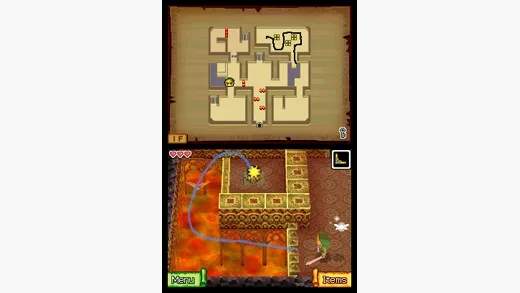
The dual screens of the DS are integral to solving many puzzles. The top screen often displays your immediate surroundings, while the bottom screen serves as your map, inventory, and primary interaction surface. Don't just glance at the map; actively use it!
- Drawing Paths: Many puzzles, especially in dungeons like the Temple of the Ocean King, require you to draw specific paths for Link to follow. Pay close attention to environmental clues, such as glowing lines on the floor, patterns on walls, or even the trajectory of projectiles.
- Marking Locations: Use the stylus to mark important spots on your map. This is crucial for remembering where treasure chests are, noting the locations of enemies you can't defeat yet, or keeping track of puzzle elements that span multiple rooms.
- Hidden Information: Sometimes, the map itself holds secrets. Try drawing on it in specific ways, or even closing the DS lid (more on that below!) to reveal hidden symbols or pathways.
Sound and Touch: Beyond the Visual
Phantom Hourglass leverages the DS's audio and touch capabilities for several puzzles. Keep your ears open and your stylus ready!
- Sound Cues: Listen carefully to the game's audio. Certain sounds might indicate the presence of hidden items, the activation of a mechanism, or the correct sequence for a puzzle. For instance, the "ding" sound when you're near a hidden treasure often signals a secret.
- Microphone Puzzles: A few puzzles will require you to use the DS's microphone. This might involve blowing into it to extinguish candles, clear dust, or even activate certain wind-based mechanisms. If you're stuck, and there's a visual cue like a fan or a candle, consider trying the microphone.
- Stylus Gestures: Beyond simply tapping, the stylus is used for various gestures.
- Spin Attack: Draw a circle around Link to perform a spin attack, useful for clearing multiple enemies or activating certain switches.
- Boomerang Control: Once you acquire the Boomerang, you'll draw its flight path on the touch screen. Experiment with curving paths to hit distant switches, collect items, or stun enemies.
- Grappling Hook/Whip: Later items like the Grappling Hook or Whip will also involve drawing lines to target specific points or enemies.
The Infamous DS Lid Puzzle
One of the most memorable and unique puzzles in Phantom Hourglass involves the physical manipulation of your Nintendo DS console. This puzzle typically appears in the Temple of Courage or similar late-game dungeons.
Solution Steps:
- Locate the Clue: You'll usually find a tablet or a wise character giving you a cryptic hint, often mentioning "closing the book" or "bringing the screens together."
- Observe the Screens: Pay close attention to both the top and bottom screens. There will often be a partial symbol, a line, or a pattern displayed on each screen.
- Close the DS Lid: Carefully and slowly close your Nintendo DS console. As the screens come together, the partial images will align, forming a complete symbol or revealing hidden text.
- Note the Information: Once the symbol is revealed, quickly open your DS again and either draw the symbol on your map or remember it. This symbol is usually the key to unlocking a door, activating a switch, or revealing a hidden path.
Remember, these general strategies will serve you well throughout your journey. Don't be afraid to experiment with your items and the DS's features when faced with a new challenge!