Easter Eggs & Pop Culture References
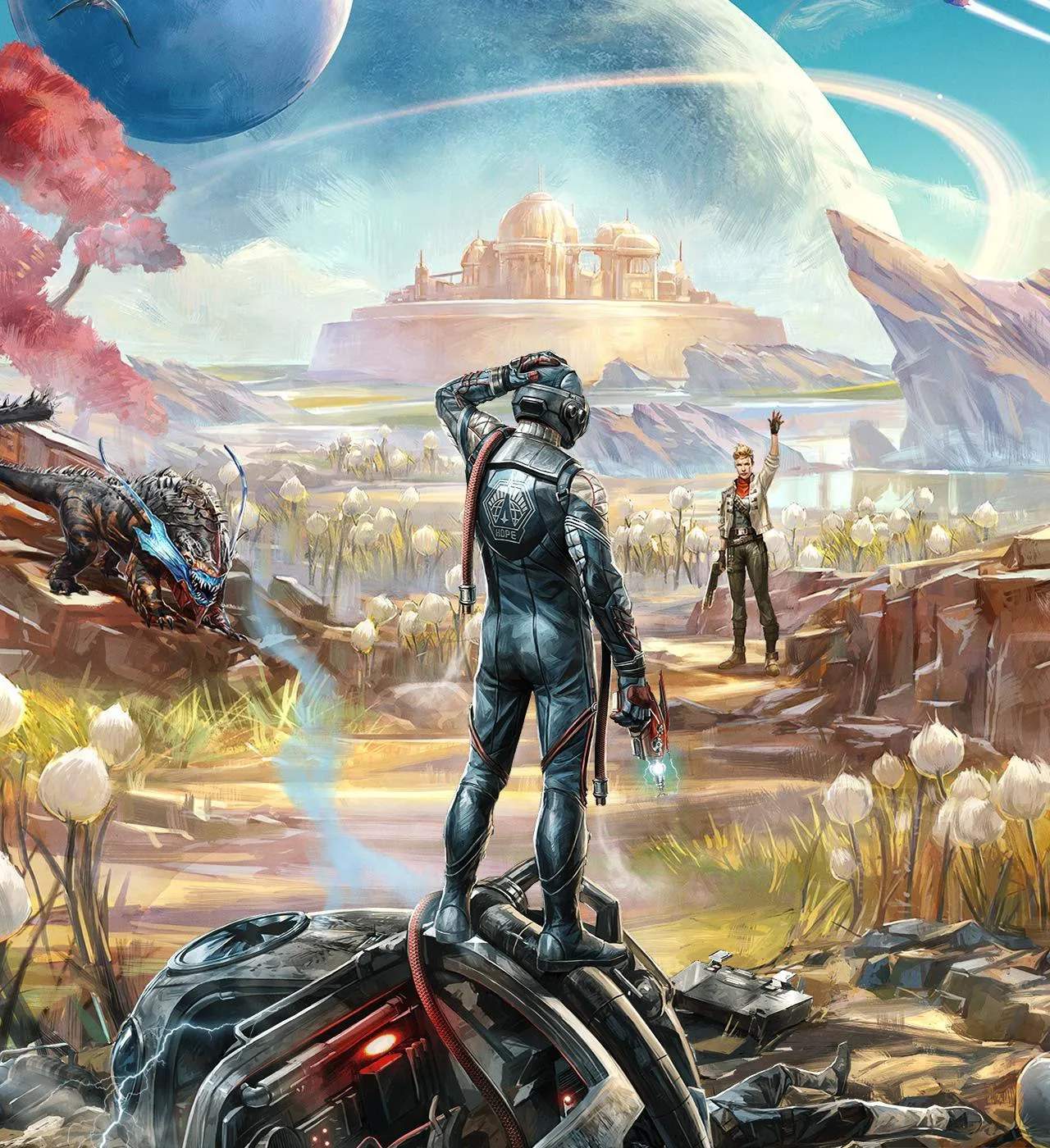
Obsidian Entertainment, renowned for its intricate narratives and sharp wit, has masterfully woven a tapestry of Easter Eggs and pop culture references throughout The Outer Worlds. These delightful nods to other games, films, literature, and real-world phenomena not only add layers of humor and depth but also reward observant players with moments of recognition and amusement. Far from being mere window dressing, these references often enrich the game's satirical commentary on corporate capitalism and societal structures.
To truly appreciate the breadth of these hidden gems, adopt a meticulous approach to exploration. Pay close attention to:
- Terminal Entries: Many of the most detailed and humorous references are tucked away in corporate memos, personal logs, and public announcements found on computer terminals across Halcyon. Always take the time to read through these, no matter how mundane they seem at first glance.
- NPC Dialogue: Engage with every non-player character you encounter. Listen carefully to their conversations, questgivers' instructions, and even ambient chatter. Many lines contain subtle allusions or direct quotes.
- Environmental Storytelling: Look at the objects, posters, and general decor of the various locations. Sometimes, a specific arrangement of items or a seemingly innocuous poster can be a direct reference.
- Item Descriptions: The flavor text for weapons, armor, consumables, and quest items often contains witty remarks or direct references.
- Quest Names and Objectives: Some quest titles themselves are direct homages to famous works.
Here are a few specific examples of Easter Eggs and Pop Culture References you can discover in Halcyon:
Specific Examples of Easter Eggs & References
1. The "Firefly" / "Serenity" Homage
One of the most prominent and beloved influences on The Outer Worlds is Joss Whedon's sci-fi Western series, Firefly, and its film sequel, Serenity. The game's overall aesthetic, the "ragtag crew on a beat-up ship" trope, and the corporate-dominated frontier setting all echo the cult classic.
- The Unreliable: Your ship, the Unreliable, functions as a direct parallel to Serenity. It's a beloved, slightly ramshackle vessel that serves as home and transport for your motley crew. The ship's internal layout and the crew's dynamics often mirror those of the Firefly-class transport.
- Companions: Many of your companions embody archetypes similar to the Serenity crew. Parvati's mechanical aptitude and earnestness, Felix's rebellious streak, and Ellie's cynical pragmatism all have echoes in characters like Kaylee, Jayne, and Inara.
- Dialogue: Listen for specific lines from companions or NPCs that directly reference themes or even specific phrases from Firefly. For instance, the general disdain for "The Board" can be likened to the Alliance.
2. "The Hitchhiker's Guide to the Galaxy" References
Douglas Adams' iconic comedic science fiction series is another clear inspiration, particularly in the game's dry humor and satirical approach to bureaucracy and the absurdities of space travel.
- "Don't Panic!": While not a direct item, the sentiment of "Don't Panic!" is often subtly conveyed in various terminal entries or corporate messages attempting to downplay catastrophic events. Keep an eye out for corporate slogans that try to reassure citizens in the face of obvious danger.
- The Number 42: Look for the number 42 appearing in unexpected places, such as item quantities, numerical identifiers in terminal entries, or even as a seemingly random statistic. This is a direct nod to the "Answer to the Ultimate Question of Life, the Universe, and Everything."
3. "Fallout" Series Nods
Given Obsidian's history with the Fallout franchise (most notably Fallout: New Vegas), it's no surprise to find several subtle and not-so-subtle references to the post-apocalyptic RPG series.
- Nuka-Cola Parody: While not identical, the various branded sodas and sugary drinks found throughout Halcyon, with their exaggerated advertising and questionable health benefits, serve as a clear parody of Fallout's Nuka-Cola. Look for brands like "Sprat" or "Jumbo Pop" and read their descriptions for humorous takes on corporate marketing.
- Skill Checks and Dialogue Options: The robust dialogue system and reliance on skill checks for various interactions are hallmarks of both Fallout and The Outer Worlds, creating a familiar feel for players of Obsidian's previous work.
- Terminal Lore: The way environmental storytelling is delivered through terminal entries, detailing the lives of ordinary citizens and the absurdities of the corporate world, is very reminiscent of Fallout's approach to world-building through pre-war terminals.
4. "Star Wars" Homages
The granddaddy of space operas naturally finds its way into The Outer Worlds, often through character archetypes or environmental design.
- The "Chosen One" Trope: While subverted, You character's role as a mysterious outsider who arrives to shake up the established order has echoes of Luke Skywalker or other "chosen one" narratives. The game often plays with this trope, making your character's impact more about choice and consequence than destiny.
- Corporate Empire vs. Rebellion: The overarching conflict between The Board's oppressive corporate empire and the various factions attempting to resist or survive within it mirrors the Empire vs. Rebellion dynamic.
5. "Futurama" and General Sci-Fi Tropes
The game's satirical tone and exploration of corporate dystopia often align with the humor of shows like Futurama, which also lampoons future society.
- Corporate Slogans and Jargon: The ubiquitous, often nonsensical, and aggressively optimistic corporate slogans plastered everywhere in Halcyon ("It's Not the Best Choice, It's Spacers Choice!") are a direct parody of real-world corporate speak and often found in satirical sci-fi.
- Cryo-Sleep: The premise of the game, waking up from decades of cryo-sleep, is a classic sci-fi trope that allows for commentary on societal changes and technological advancements.
How to Maximize Your Discovery of Easter Eggs
To truly uncover the full extent of these references, consider the following strategies:
- Read Everything: This cannot be stressed enough. Every terminal, every note, every item description is a potential goldmine.
- Listen Actively: Don't just skip through dialogue. Pay attention to the nuances of conversations, character reactions, and ambient chatter.
- Explore Thoroughly: Venture off the beaten path. Many references are hidden in obscure corners, behind locked doors, or in areas that aren't directly tied to main quests.
- High Perception/Intelligence Builds: Characters with high Perception or Intelligence stats might unlock additional dialogue options or notice subtle environmental cues that others miss, potentially leading to more references.
- New Game+: On subsequent playthroughs, you'll likely catch references you missed the first time, especially with a deeper understanding of the game's lore and characters.
By engaging with The Outer Worlds in this observant and curious manner, you'll find that the game is not just a compelling RPG, but also a love letter to the science fiction genre, brimming with clever nods and humorous tributes that enhance the overall experience.