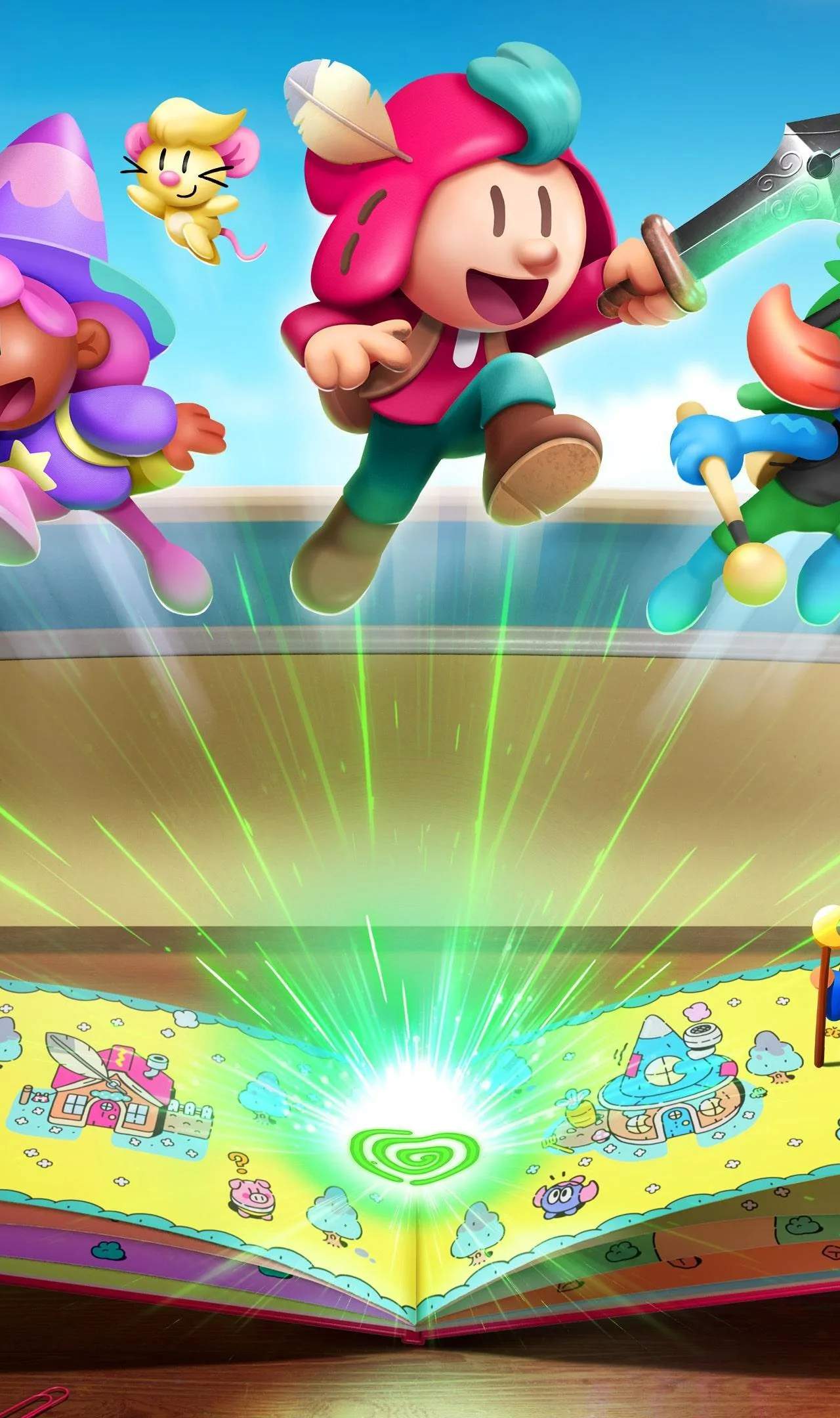
Explore the diverse and imaginative Book Worlds of The Plucky Squire. This guide provides a general overview of these unique environments, their thematic elements, and the general gameplay mechanics you can expect to encounter across your journey.
The Essence of Book Worlds
The Plucky Squire is renowned for its innovative concept of 'Book Worlds.' These are distinct environments that are literally brought to life from the pages of books. Each Book World possesses its own unique visual style, thematic elements, and gameplay mechanics, reflecting the genre or story it originates from. Navigating these worlds is central to the game's progression and its charm.
Variety in Themes and Aesthetics
The game features a wide array of Book Worlds, each offering a distinct aesthetic experience. You might journey through:
- Classic Fairy Tales: Worlds filled with whimsical characters, enchanted forests, and magical elements.
- Adventure Stories: Environments that evoke tales of exploration, pirates, or daring quests, often featuring nautical themes or ancient ruins.
- Educational Books: Worlds that might be inspired by encyclopedias or textbooks, featuring intricate diagrams, historical settings, or scientific concepts.
- Artistic Worlds: Environments that are visually inspired by art movements, sketchpads, or abstract concepts, as seen in Chapter 5: Artia.
- Industrial/Mechanical Worlds: Chapters like 'Very Metal' showcase environments built from gears, pipes, and machinery.
The visual des of each world is meticulously crafted to immerse players in its narrative context.
Gameplay Mechanics Across Worlds
While each Book World has its unique flavor, certain gameplay mechanics are consistent, while others are adapted:
- Perspective Shifts: A hallmark of The Plucky Squire is the seamless transition between 3D exploration and 2D platforming. These shifts often occur within a single Book World, requiring players to adapt their playstyle.
- Core Abilities: Skip's fundamental abilities, such as running, jumping, dodging, and the Floatio Grab, are present across all worlds.
- Environmental Puzzles: Puzzles are tailored to the theme of each world. In Tome Tower, they might involve manipulating books; in Artia, they could be color-based or pattern recognition.
- Combat: Enemies are also themed to their respective Book Worlds, requiring players to learn new attack patterns and strategies.
- Collectibles: While the types of collectibles might vary, the act of finding them (e.g., Glitchbirds, lore pages, crafting materials) is a constant.
Thematic Integration
The brilliance of the Book Worlds lies in their thematic integration. Every element, from the enemies and puzzles to the environmental hazards and narrative, is designed to feel authentic to the book it represents. This creates a cohesive and immersive experience, making players feel as though they are truly stepping into the pages of a story.
Examples of Book Worlds and Their Features
| Book World Theme | Key Features | Potential Mechanics |
|---|---|---|
| Tome Tower | Bookshelves, pages, ink, libraries | 2D platforming, word puzzles, ink hazards |
| Honey Peak | Honeycomb, bees, sticky substances | Sticky traversal, wind currents, swarm enemies |
| Artia | Post-it notes, sketches, paint, artistic tools | 3D platforming, color puzzles, perspective challenges |
| Very Metal | Gears, pipes, machinery, industrial elements | Hazardous machinery, complex platforming, mechanical enemies |
Tips for Exploring Book Worlds
- Adapt quickly: Be prepared for shifts in gameplay and perspective.
- Observe the theme: The world's theme often provides clues for puzzles and enemy behavior.
- Explore thoroughly: Each world is packed with secrets and collectibles.
- Master your abilities: Your core skills will be tested in new ways in each world.