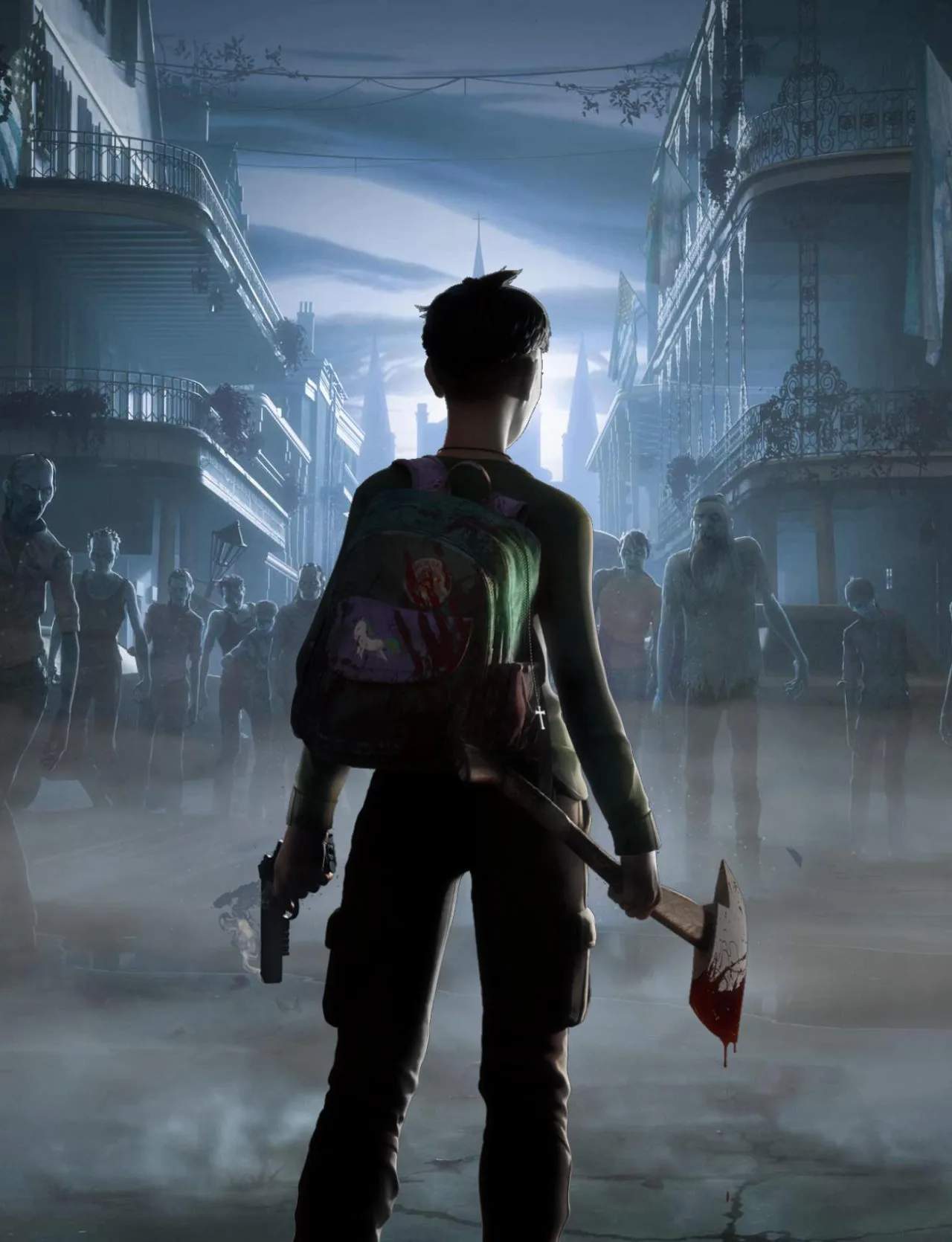
Character Creation & Customization
While The Walking Dead: Saints & Sinners doesn't offer a traditional character creation suite in the vein of a full-fledged RPG, your journey as the Tourist is profoundly defined by the choices you make in terms of gear, skills, and loadout. This section will detail how to personalize your experience, optimize your loadout, and tailor your abilities for the harsh realities of post-apocalyptic New Orleans.
The Tourist: Your Unseen Protagonist
Unlike many RPGs, you won't be selecting a race, class, or even a gender for the Tourist. Your character is a silent, pre-defined individual, allowing players to project themselves into the role. The true customization comes primarily through your equipment, the skills you choose to upgrade, and how you prepare for each scavenging run.
The Backpack: Your Mobile Inventory & Core Storage
Your backpack is your most crucial piece of "customization" in the early game, acting as your primary mobile inventory. Understanding its limitations and how to manage it is paramount for successful scavenging and survival.
- Initial Capacity: Your starting backpack has limited slots. Prioritize essential items like weapons, healing supplies, and crafting components. Every slot counts!
- Upgrading the Backpack: You can upgrade your backpack at the Crafting Bench located in your bus. These upgrades are permanent and significantly increase your carrying capacity, allowing for longer and more profitable scavenging runs.
- Backpack Upgrade I:
- Requirements: 5x Scrap Metal, 3x Nutrient Paste.
- Benefit: Expands your inventory by a few slots, a critical early-game improvement.
- Backpack Upgrade II:
- Requirements: 7x Mechanical Parts, 5x Medical Supplies.
- Benefit: Provides a significant increase in storage, making mid-game scavenging much more efficient.
- Backpack Upgrade III (Max):
- Requirements: 10x Advanced Mechanical Parts, 8x Herbal Medicine.
- Benefit: This final upgrade maximizes your carrying capacity, allowing you to haul vast amounts of loot and rare components. Essential for late-game crafting and resource gathering.
- Strategic Scavenging: Always consider the weight and value of items. A stack of common Junk might be less valuable than a single Pistol or a rare crafting component. Learn to prioritize high-value items, especially those needed for skill upgrades or advanced crafting.
Weapon Customization & Loadout: Defining Your Combat Style
Your choice of weapons and how you carry them is a direct form of character customization, influencing your combat style, tactical approach, and overall survivability. Effective loadout management is key to success.
Melee Weapons
These are your bread and butter for conserving ammunition, silently dispatching walkers, and managing stamina. They are always equipped to specific body slots for quick access.
- Primary Melee Slot (1): Located on your back. Ideal for larger, two-handed weapons like the Katana, Fire Axe, Crowbar, or Chainsaw. These offer high damage but can be slower to wield.
- Secondary Melee Slots (2): Located on your hips (one on each side). Perfect for one-handed weapons such as the Kitchen Knife, Machete, Cleaver, or Baseball Bat. Consider carrying a sharp weapon for quick walker kills and a blunt weapon for breaking crates or stunning enemies.
- Crafting & Upgrading: At the Crafting Bench, you can craft a wide array of melee weapons. Higher-tier weapons offer better durability, increased damage, and often unique properties. For example, upgrading from a Makeshift Shiv to a Combat Knife significantly improves your close-quarters effectiveness, while a Chainsaw offers unparalleled crowd control at the cost of fuel.
Ranged Weapons
Essential for dealing with groups of walkers or hostile survivors from a distance, but always be mindful of ammunition. Ranged weapons also have dedicated body slots.
- Primary Ranged Slot (1): Located on your back, typically over your shoulder. Best for rifles or shotguns like the AR-47, Lever-Action Rifle, Double-Barrel Shotgun, or Bolt-Action Rifle. These are powerful but can be cumbersome in tight spaces.
- Secondary Ranged Slots (2): Located on your chest, in holsters. Ideal for pistols such as the 9mm Pistol, Revolver, or 45 Revolver. These offer quick draw capabilities and are excellent for close-to-medium range engagements.
- Ammunition Management: Always craft extra ammunition at the Crafting Bench before heading out. Different weapons use different ammo types (e.g., 9mm Rounds, .45 Rounds, Shotgun Shells, Rifle Rounds). Prioritize crafting ammo for your most used firearms. Running out of bullets in a firefight is a common pitfall.
Explosives & Throwables
These can turn the tide of a difficult encounter or provide strategic advantages but are often scarce and require careful use.
- Grenade Slot (1): Located on your chest. Carry Grenades or Molotovs for crowd control, clearing blocked paths, or flushing out entrenched enemies.
- Throwing Knife/Bottle Slot (1): Located on your chest. Useful for silent kills, distracting walkers, or triggering traps from a distance.
Consumables & Utility Items: Preparedness is Customization
While not "customization" in the traditional sense, the selection and preparation of consumables and utility items define your preparedness and approach to the game's challenges. Your ability to survive often hinges on what you bring with you.
- Healing: Always carry Bandages and Herbal Medicine. Craft these at the Crafting Bench using scavenged materials like Cloth and Herbs. Herbal Medicine offers superior healing.
- Stamina: Nutrient Paste is your go-to for quick stamina recovery, crucial for running, heavy attacks, and escaping danger.
- Light Source: A Flashlight is indispensable for navigating dark areas. Ensure it's charged or carry spare Batteries. Consider the Headlamp for hands-free illumination.
- Tools:
- A Pry Bar can open certain doors, containers, and even some locked gates.
- A Shovel can dig up hidden caches and buried supplies in specific locations.
- A Screwdriver is needed to dismantle certain electronic devices for components.
- Crafting Components: Always prioritize bringing back essential crafting components like Scrap Metal, Mechanical Parts, Electronics, and Herbs. These fuel all your customization and survival needs.
Skill Tree: The True Character Progression & Playstyle Definition
Your most significant form of character customization comes through the skill tree, accessed via the Radio in your bus. Investing in skills directly impacts your abilities, combat effectiveness, and preferred playstyle. Each skill point earned by completing missions and scavenging can be strategically allocated.
The skill tree is divided into three main branches:
1. Survivalist Branch
Focuses on enhancing your scavenging, crafting efficiency, and overall durability. Ideal for players who prioritize resource management, exploration, and resilience.
- Increased Backpack Capacity: Unlocks additional inventory slots beyond the physical backpack upgrades, allowing you to carry even more loot.
- Improved Crafting Efficiency: Reduces the material cost for crafting items across all benches, saving valuable resources.
- Enhanced Stamina: Increases your maximum stamina, allowing for more running, heavy attacks, and prolonged engagements.
- Better Healing: Improves the effectiveness of all healing items, making each bandage and medicine dose more potent.
- Resource Detection: Highlights nearby valuable resources, making scavenging more efficient.
- Reduced Fall Damage: Minimizes damage taken from falls, useful for navigating complex environments.
2. Brawler Branch
Specializes in melee combat and close-quarters engagements. Perfect for players who enjoy getting up close and personal with walkers and hostile survivors.
- Melee Damage Increase: Boosts the damage output of all melee weapons, making them more lethal.
- Melee Durability: Weapons degrade slower, saving you valuable crafting materials and extending the life of your favorite tools.
- Critical Hit Chance: Increases the likelihood of landing critical hits with melee attacks, dealing bonus damage.
- Stun Chance: Gives a chance to stun walkers with successful melee attacks, opening them up for easy kills.
- Increased Melee Attack Speed: Allows for faster swings and more rapid attacks with melee weapons.
- Knockback Resistance: Reduces the chance of being staggered by enemy attacks.
3. Gunslinger Branch
Concentrates on ranged combat, accuracy, and ammunition management. Suited for players who prefer to keep their distance and rely on firearms.
- Ranged Damage Increase: Enhances the damage of all firearms, making every shot count more.
- Reduced Recoil: Makes firearms easier to control and more accurate, especially during rapid fire.
- Headshot Bonus: Increases damage for headshots, crucial for conserving ammo and quickly dispatching threats.
- Ammunition Crafting Bonus: Yields more ammunition per crafting session, stretching your resources further.
- Faster Reload Speed: Decreases the time it takes to reload all firearms, critical in intense firefights.
- Increased Magazine Capacity: Adds a few extra rounds to the magazines of your firearms.
Strategy for Skill Allocation: Consider your preferred playstyle early on. If you enjoy stealth and conserving ammo, invest heavily in Survivalist for resource efficiency and perhaps some Brawler for silent takedowns. If you prefer direct confrontations, Gunslinger and Brawler might be your primary focus. It's often beneficial to specialize in one or two branches early on to gain significant advantages before diversifying your skill set in the mid-to-late game. Don't be afraid to experiment with different builds on subsequent playthroughs!
Common Pitfall: Neglecting skill upgrades. While gear is important, skills offer passive and active bonuses that fundamentally change how you interact with the world. Always check your radio for available skill points after returning from a successful run.
Cosmetic Customization: Personal Flair in the Apocalypse
While extensive cosmetic options are not a core feature of The Walking Dead: Saints & Sinners, you can find and equip different hats and masks throughout your journey. These are purely aesthetic and offer no gameplay benefits, but they allow for a small touch of personal flair and can make your Tourist feel more unique.
- Hats: Can be found in various locations, often in containers, on defeated enemies, or as rewards for specific tasks. Examples include the Baseball Cap, Cowboy Hat, Beanie, Fedora, or Military Helmet.
- Masks: Similar to hats, masks like the Gas Mask, Bandana, Ski Mask, or various animal masks can be discovered. Some masks, like the Gas Mask, might offer a brief visual filter but do not provide actual environmental protection.
These items are equipped via your inventory menu. Keep an eye out for them during your scavenging runs, as they add a fun, albeit minor, layer of personalization to your Tourist.
The Crafting Bench: Your Customization Hub
It's crucial to understand that the Crafting Bench in your bus serves as the central hub for nearly all forms of customization and progression. From upgrading your backpack and crafting advanced weapons to preparing essential consumables and managing your skill points via the radio, almost every aspect of tailoring your Tourist's capabilities flows through this single location. Regular visits to the bench after each scavenging run are essential for staying prepared and powerful.