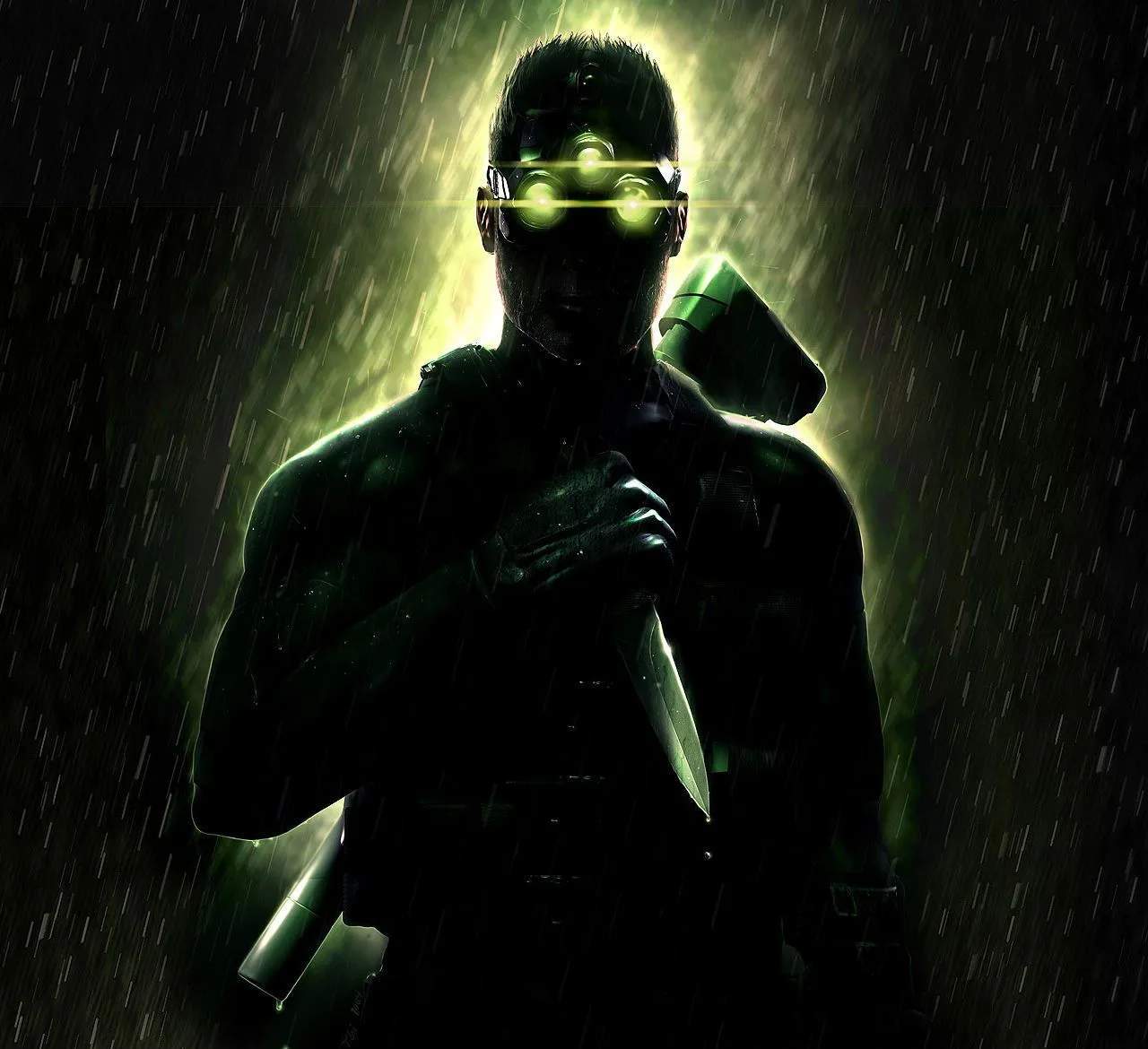
Enemy Types
Understanding your adversaries in Splinter Cell: Chaos Theory is paramount to a successful infiltration. Each enemy type presents unique challenges and opportunities for a skilled Splinter Cell. This section details common enemy archetypes, their behaviors, and the most effective strategies for dealing with them.
Standard Patrol Guard
- Description: These are your most common foes, typically equipped with standard assault rifles (e.g., SC-20K, AK-47 variants) and basic body armor. They patrol fixed routes, often in pairs or small groups, and communicate regularly.
- Behavior:
- Patrol Patterns: Predictable, often pausing at key points or checking corners. Use your OC on doors to observe their routes.
- Line of Sight: Moderate. They can spot Sam Fisher in well-lit areas or if he moves too quickly in their direct vision cone.
- Hearing: Moderate. Loud noises (running, dropping bodies, gunfire) will alert them.
- Alertness: If they find a body or hear a suspicious noise, they will enter a "Suspicious" state, drawing their weapon and investigating. Prolonged suspicion or direct sighting leads to "Alarmed" status.
- Strategies:
- Non-Lethal Takedown: The preferred method. Approach from behind while in shadow, initiate a hand-to-hand takedown. Hide the body immediately in a dark corner, locker, or vent.
- Diversion: Use the OCP (Optic Cable Pistol) to disable lights, creating shadows for approach. A thrown bottle or spent shell casing can lure them to a specific location for an easy grab.
- Gadget Use:
- Sticky Shocker: Excellent for a quick, silent incapacitation from a distance. Aim for the torso or head.
- Airfoil Round: A non-lethal projectile that knocks out enemies. Best used when you need to clear a path quickly without raising an alarm.
- Smoke Grenade: Provides temporary cover for movement or takedowns in open areas.
- Lethal Takedown (Last Resort): If stealth fails or a direct confrontation is unavoidable, use your SC-20K with a headshot for a quick kill. Be aware that gunfire will alert all nearby enemies.
Heavy Infantry / Armored Guard
- Description: These formidable enemies wear heavy body armor, often a helmet, and carry more powerful automatic weapons or shotguns. They are slower but significantly tougher.
- Behavior:
- Durability: Highly resistant to frontal attacks. Standard pistol shots or body shots from the SC-20K will often be ineffective.
- Line of Sight & Hearing: Similar to standard guards, but their slower movement can make them easier to evade.
- Aggression: More aggressive in combat, often pushing forward.
- Strategies:
- Stealth Takedown (Preferred): Always aim for a silent, hand-to-hand takedown from behind. This bypasses their armor entirely.
- Headshots (Lethal): If a direct confrontation is unavoidable, a precise headshot is critical. Aim for any exposed skin (e.g., the face if they lack a full helmet). The SC-20K with a single shot to the head is usually sufficient.
- Explosives: Frag Grenades are highly effective against armored guards, especially if you can bounce one around a corner. However, this is a loud option.
- Gadget Use:
- Sticky Shocker: Still effective, but may require two shots or a more precise headshot to ensure incapacitation due to their resilience.
- Gas Grenade: Can incapacitate multiple armored guards in an area, allowing for easy takedowns or evasion.
- Environmental Hazards: Look for opportunities to use the environment, such as dropping heavy objects on them or luring them near explosive barrels.
Technician / Scientist
- Description: Unarmed or lightly armed personnel, usually found in labs, server rooms, or offices. They wear lab coats or civilian attire.
- Behavior:
- Vulnerability: Extremely fragile. A single punch or shot will incapacitate them.
- Alertness: Less vigilant than guards. They are often engrossed in their work.
- Information: Often carry important data or can be interrogated for key codes, safe combinations, or mission objectives.
- Alarm Raising: If they spot Sam, they will usually run to the nearest alarm panel or guard to report him.
- Strategies:
- Interrogation (High Priority): Always try to interrogate technicians. This often yields valuable intel that can simplify future objectives. Grab them from behind and initiate the interrogation prompt.
- Non-Lethal Takedown: A simple hand-to-hand takedown is sufficient. Hide the body to prevent alarms.
- Avoidance: Due to their low threat but high potential for raising alarms, sometimes simply avoiding them is the best course of action, especially if no intel is needed.
- Distraction: A well-placed noise or disabled light can draw them away from their workstations, allowing you to access terminals or bypass them.
Sniper
- Description: Equipped with sniper rifles, these enemies are typically positioned in high vantage points, overlooking large outdoor areas or long corridors. They are lightly armored but possess excellent long-range vision.
- Behavior:
- Long Range: Can spot Sam from extreme distances, especially in well-lit areas. Their laser sight is a clear indicator of their presence.
- Fixed Positions: Usually stationary, but some may have short patrol routes on rooftops or balconies.
- Lethality: A single shot from a sniper can be devastating, often resulting in instant mission failure on higher difficulties.
- Strategies:
- Identify and Prioritize: Always identify snipers first using your TV or NV goggles. Their laser sights are a dead giveaway. They are a primary threat and should be dealt with immediately.
- Flanking: Never approach a sniper head-on. Find an alternate route to flank their position, using cover and shadows.
- Lethal Takedown (Recommended): Due to their threat level, a lethal takedown is often the most efficient. A headshot with the SC-20K from a safe distance is ideal.
- Gadget Use:
- Sticky Camera: Can be deployed to observe their position and potentially distract them if you need to move past quickly.
- EMP Grenade: If available, an EMP can temporarily disable their optics, giving you a window to move or take them out.
- Environmental Cover: Utilize buildings, vehicles, and terrain to break their line of sight as you approach.
Dogs
- Description: K9 units often accompany guards, particularly in outdoor or perimeter areas. They are highly sensitive to sound and smell.
- Behavior:
- Enhanced Senses: Dogs have superior hearing and can detect Sam even when he's moving slowly in shadows, especially if he's close. They can also "smell" Sam if he's been in an area recently.
- Aggression: Will bark loudly when they detect something, alerting nearby guards, and will attack Sam directly if they get close.
- Durability: Relatively fragile, but their speed and ability to detect Sam make them dangerous.
- Strategies:
- Avoidance: The best strategy is often to avoid dogs entirely. Stay as far away as possible and use alternative routes.
- Silent Takedown: If avoidance isn't possible, a quick, silent takedown is necessary. A single pistol shot to the head or a direct knife attack (if you can get close enough without being detected) will dispatch them.
- Diversion: Throwing a bottle or spent casing away from your path can distract a dog and its handler, creating an opening.
- Gadget Use:
- Sticky Shocker: An excellent non-lethal option for dogs. One shot will incapacitate them.
- Airfoil Round: Also effective for a non-lethal knockout.
- Smoke Grenade: Can obscure their vision and disorient them, giving you a chance to move.
- Prioritize Handler: If a dog is with a handler, prioritize taking out the handler first. Once the handler is down, the dog will often become disoriented or easier to deal with.