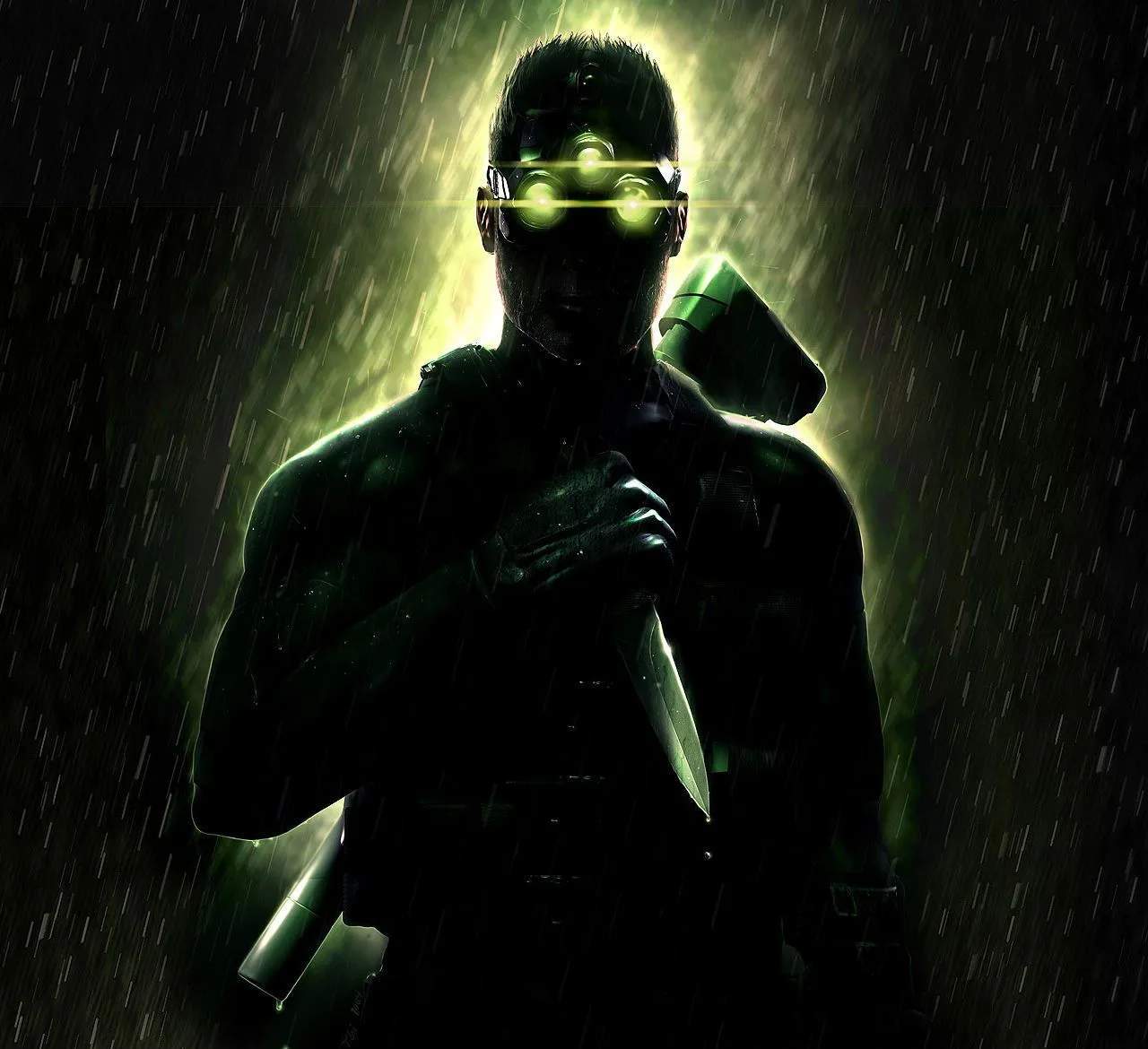
Difficulty Settings
Choosing the right difficulty setting in Tom Clancy's Splinter Cell: Chaos Theory is crucial for tailoring your experience. Each setting significantly impacts enemy awareness, available equipment, and mission parameters. Understanding these differences will help you prepare for the challenges ahead, whether you're a stealth novice or a seasoned Splinter Cell veteran.
Rookie
The Rookie difficulty is ideal for players new to the Splinter Cell series or those looking for a more forgiving experience. It offers a relaxed introduction to the game's mechanics and stealth principles.
- Enemy Awareness: Guards have reduced perception and a shorter memory. They will investigate disturbances for a shorter duration and are less likely to spot Sam Fisher in dimly lit areas.
- Combat Forgiveness: Sam can sustain more damage before being incapacitated. Enemies are less accurate with their shots.
- Equipment: You'll start missions with a generous supply of gadgets, including multiple Sticky Camera units, Diversion Camera units, and Smoke Grenades. Ammunition for your SC-20K M.A.W.S. and SC Pistol is also more abundant.
- Mission Objectives: Primary objectives remain the same, but secondary objectives might be optional or have more lenient failure conditions.
- Walkthrough Tip: Use this setting to experiment with different stealth approaches without fear of immediate failure. Practice non-lethal takedowns and environmental interactions to build confidence.
Normal
Normal difficulty provides a balanced challenge, suitable for players familiar with stealth games or those who have completed previous Splinter Cell titles. It strikes a good balance between stealth and action.
- Enemy Awareness: Guards are more vigilant. They will investigate suspicious sounds and shadows for a moderate period and are more likely to detect Sam if he's not properly concealed.
- Combat Challenge: Sam's health is standard, and enemies deal moderate damage. Engaging in direct firefights is still risky but manageable if you're quick and accurate.
- Equipment: You'll begin missions with a standard loadout, including a balanced selection of Sticky Camera, Diversion Camera, and Flashbang units. Ammunition is sufficient but requires more careful management than on Rookie.
- Mission Objectives: All primary and secondary objectives must be completed. Failing a crucial secondary objective might lead to a mission restart or a lower mission score.
- Walkthrough Tip: Prioritize stealth and non-lethal methods. Use your Optic Cable to scout ahead and plan your routes. Conserve specialized gadgets for critical situations.
Expert
Expert difficulty is designed for veteran players seeking the ultimate stealth challenge. This setting demands meticulous planning, flawless execution, and a deep understanding of game mechanics.
- Enemy Awareness: Guards are highly perceptive, with extended vision and hearing ranges. They will thoroughly investigate any disturbance, and their memory of suspicious activity is significantly longer. Even slight missteps in shadows can lead to detection.
- Combat Brutality: Sam's health is severely limited, and enemies deal substantial damage. A few direct hits can be fatal. Direct combat is highly discouraged and often leads to mission failure.
- Equipment: Your starting inventory is minimal. Expect fewer Sticky Camera, Diversion Camera, and EMP Grenade units. Ammunition is scarce, forcing you to rely almost entirely on stealth and non-lethal options.
- Mission Objectives: All objectives, including optional ones, are mandatory for a perfect score. Failure to complete any objective, or even being detected too often, can result in mission failure.
- Walkthrough Tip:
- Reconnaissance is Key: Always use your Optic Cable and Thermal Vision to identify enemy patrols, camera placements, and environmental hazards before advancing.
- Shadow Mastery: Stay in the darkest shadows at all times. Use your Light Meter religiously. If it's not at 0%, you're at risk.
- Non-Lethal Takedowns: Prioritize incapacitating guards non-lethally and hiding their bodies. Killing guards often triggers alarms or alerts other patrols.
- Gadget Economy: Every gadget counts. Only use items like the Sticky Shocker or Airfoil Round when absolutely necessary to clear a path or disable a critical device.
- Environmental Manipulation: Utilize light switches, fuse boxes, and water pipes to create distractions or darken areas.
- Patience: Rushing will almost certainly lead to detection and mission failure. Observe enemy patterns, wait for the perfect opening, and execute your moves with precision.