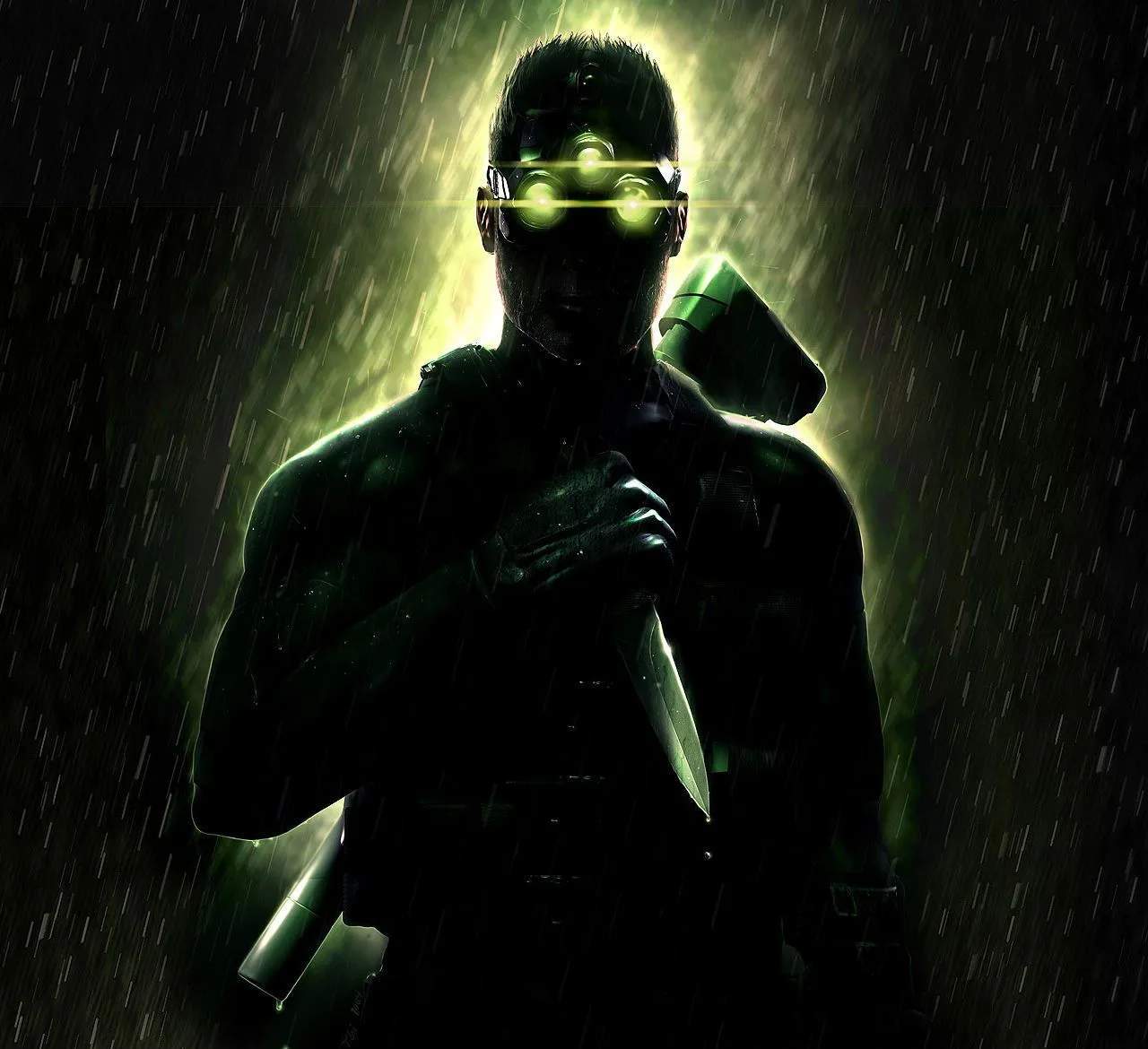
Post-Game Content
Congratulations, agent! You've successfully navigated the intricate web of global espionage and neutralized the threats posed in the main campaign of Tom Clancy's Splinter Cell: Chaos Theory. But Sam Fisher's work is never truly done. The game offers a robust suite of post-game content designed to challenge your stealth skills, reward your mastery, and provide countless hours of replayability. This section will guide you through maximizing your experience after the credits roll.
Mastering the Campaign: Achieving 100% Stealth & Efficiency
The true measure of a Splinter Cell operative isn't just completing missions, but completing them flawlessly. Each mission in the campaign has a performance rating based on several factors. Aiming for 100% in all categories is the ultimate solo challenge.
Performance Metrics Explained:
- Stealth: This is paramount. Avoid being detected by enemies, security cameras, or laser grids. Every alarm triggered, every body found, and every time you're spotted reduces this score.
- Efficiency: This measures how quickly and cleanly you complete objectives. Minimize unnecessary actions and direct confrontations.
- Damage: Keep collateral damage to a minimum. This includes environmental damage and, more importantly, civilian casualties.
- Kills: For a true ghost run, aim for zero kills. Non-lethal takedowns and incapacitations are your best friends.
Strategies for Perfection:
- Replay on Expert Difficulty: If you haven't already, tackle the campaign on Expert. This increases enemy awareness, patrol routes, and the consequences of detection, forcing you to refine your tactics.
- use All Gadgets: Don't forget your full arsenal.
- The Optic Cable is essential for scouting rooms before entry.
- Sticky Cameras can distract guards or provide visual intel from a distance.
- EMP Grenades are invaluable for temporarily disabling electronics like cameras and lights.
- The SC-20K's various attachments (Sticky Shocker, Airfoil Round, Ring Airfoil Projectile) offer non-lethal solutions for every situation.
- Learn Patrol Patterns: Observe enemy routes and timing. Many areas have predictable loops that you can exploit. Use your Thermal Vision and Night Vision to spot enemies in dark areas or through thin walls.
- Hide All Bodies: Even if you incapacitate an enemy non-lethally, their body can still be found, triggering an alarm. Always drag unconscious or dead enemies into dark corners, lockers, or ventilation shafts.
- Environmental Interaction: Turn off lights, open and close doors strategically, and use pipes and ledges to bypass heavily guarded areas. The environment is your greatest ally.
- Save Frequently: Don't be afraid to quick-save before attempting a risky maneuver. If you make a mistake, reload and try again.
Unlocking Bonus Content & Challenges
Beyond perfecting your campaign runs, Chaos Theory offers additional content to extend your playtime.
Co-op Missions:
The dedicated Co-op campaign provides a unique experience, requiring teamwork and synchronized stealth. These missions are distinct from the single-player campaign and feature their own objectives and challenges. Playing with a friend adds a new layer of strategy, as you'll need to coordinate actions like simultaneous takedowns, covering each other, and using unique co-op specific maneuvers.
- Access: From the main menu, select "Co-op" and choose to host or join a game.
- Key Co-op Strategies:
- Synchronized Takedowns: Many areas are designed for two agents to take down multiple guards at once. Communicate clearly!
- Boost Jumps: One player can boost the other to reach high ledges or vents, opening new paths.
- Covering Fire/Distraction: While one agent performs an objective, the other can distract guards or provide overwatch.
Versus Mode (Spies vs. Mercs):
For those seeking competitive thrills, Versus Mode pits agile, stealthy Spies against heavily armed, tactical Mercenaries. This mode is a fan-favorite and offers endless replayability.
- Spies Objective: Infiltrate and hack terminals without being detected or killed by Mercenaries. Spies rely on stealth, gadgets (like the Optic Cable and EMP Grenades), and environmental traversal.
- Mercenaries Objective: Protect the terminals and eliminate the Spies. Mercs have access to powerful firearms, flashlights, and thermal vision, but are slower and less agile.
- Maps: Explore specially designed maps that cater to both playstyles, offering verticality for Spies and choke points for Mercs.
- Progression: Earn experience and unlock new gear and abilities for both factions as you play, adding a layer of long-term engagement.
Collectibles and Easter Eggs
While Chaos Theory isn't heavily focused on traditional collectibles, there are subtle nods and hidden details for observant players:
- Data Sticks: Occasionally found on enemies or in specific locations, these provide snippets of lore or mission-relevant information. While not strictly "collectible" in the modern sense, finding all of them adds to the narrative depth.
- Environmental Storytelling: Pay attention to the details in each level. Documents, computer screens, and conversations often reveal background information or humorous easter eggs that enrich the game world.
- Achieving High Scores: Compete with yourself and others on online leaderboards (if available for your platform) by striving for the highest possible scores on each mission, pushing your stealth and efficiency to the absolute limit.
By delving into these post-game activities, you'll discover the true depth and replayability that Tom Clancy's Splinter Cell: Chaos Theory has to offer, cementing your status as a legendary Fourth Echelon operative.