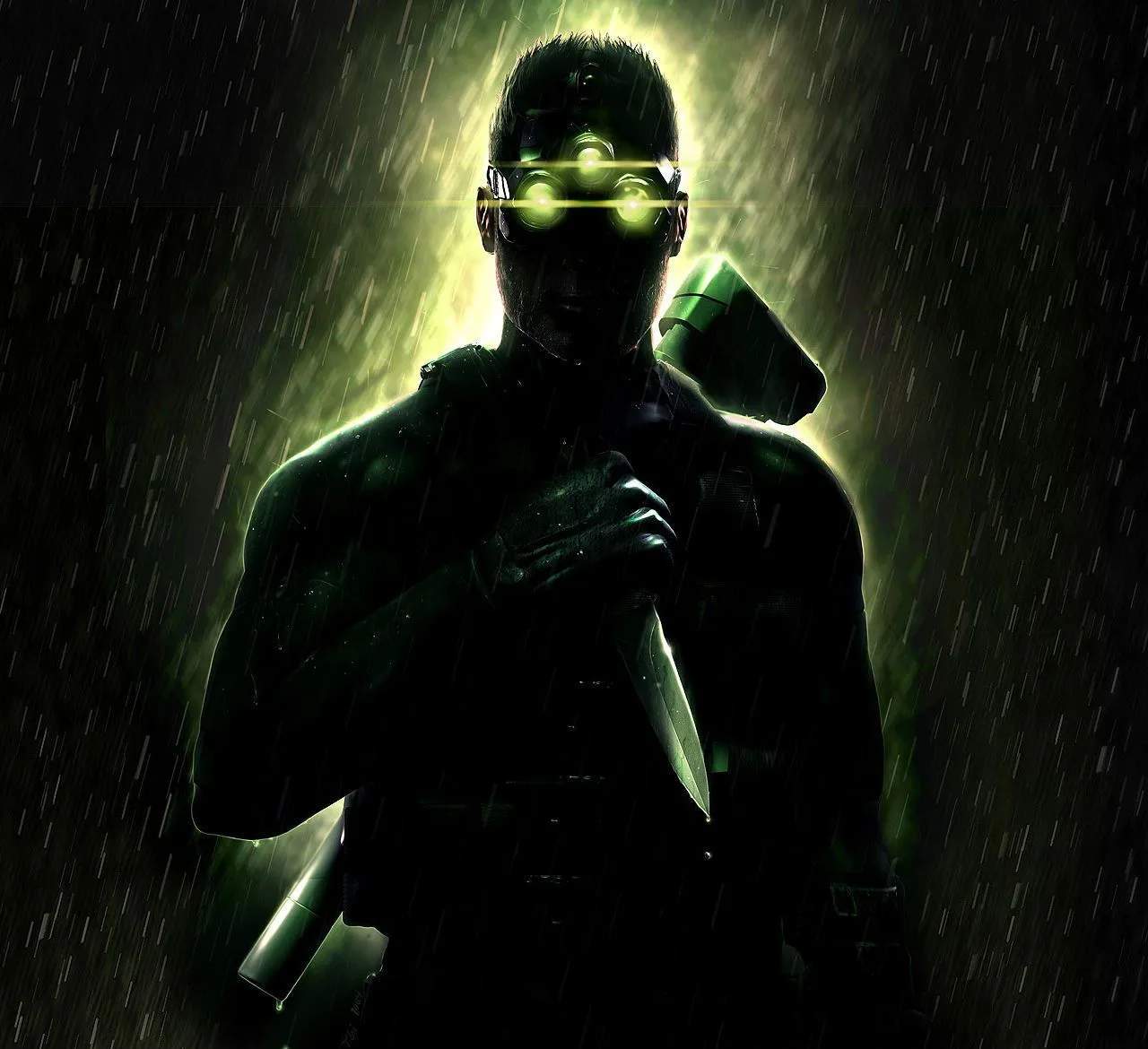
Seoul Cyberterrorist Leader
The culmination of the Seoul mission in Tom Clancy's Splinter Cell: Chaos Theory often involves confronting the mastermind behind the cyberattacks. This individual, typically a high-ranking North Korean military or intelligence officer, is usually found within a heavily fortified command center or server room. This section will guide you through neutralizing this threat, securing vital intelligence, and completing the mission with maximum efficiency.
Mission Objective: Neutralize the Cyberterrorist Leader
Your primary objective is to reach and neutralize the cyberterrorist leader. Depending on your playstyle and mission parameters, "neutralize" can mean incapacitating them non-lethally, capturing them for interrogation, or, if absolutely necessary, eliminating them. Always aim for non-lethal methods first to maximize your mission score and adhere to Third Echelon protocols.
Location: The Central Command Center
The cyberterrorist leader is invariably located deep within the North Korean Ministry of Unification building, specifically in the Central Command Center. This area is characterized by:
- High Security: Expect multiple layers of armed guards, advanced surveillance systems (cameras, motion sensors), and potentially automated defenses.
- Server Racks & Consoles: The room will be filled with blinking server racks, computer terminals, and large holographic displays, indicating its function as a data hub.
- Limited Entry Points: Access is often restricted to one or two heavily guarded doors, or ventilation shafts requiring careful infiltration.
Enemy Composition & Patrols
The Central Command Center is a hotbed of enemy activity. Expect a mix of:
- Elite North Korean Guards: Heavily armed with assault rifles (AK-47 variants) and body armor. They patrol in pairs or trios and communicate frequently.
- Technicians/Analysts: Less armed, often carrying pistols, but can sound alarms quickly if they spot you. They are usually focused on their terminals.
- Automated Turrets: Fixed gun turrets are common in choke points leading to or within the command center. These are lethal and must be disabled or bypassed.
- Security Cameras: Numerous cameras monitor key pathways. Utilize EMP grenades, OCP, or careful movement to avoid detection.
Recommended Loadout & Gadgets
For this final confrontation, a balanced loadout is crucial:
- SC-20K Assault Rifle:
- Non-Lethal Rounds: Essential for incapacitating guards without killing them, preserving your score.
- Sticky Shockers: Excellent for disabling single targets silently or stunning enemies through glass.
- EMP Grenades: Critical for temporarily disabling automated turrets, cameras, and even groups of enemies.
- Gas Grenades: Ideal for incapacitating multiple enemies in a confined space like the command center.
- SC Pistol:
- OCP (Optic Cable Pistol): Indispensable for temporarily blinding cameras, lights, and electronic devices.
- Assorted Gadgets:
- Smoke Grenades: Create cover for movement or to disorient enemies.
- Sticky Cameras: Useful for scouting ahead without exposing yourself.
- Lock Picks/Laser Mic: Always useful for bypassing locked doors or eavesdropping on conversations before engaging.
Step-by-Step Infiltration & Neutralization Strategy
Phase 1: Approach and Initial Breach
- Observe & Plan: Before entering the immediate vicinity of the command center, use your Optic Cable or Sticky Camera to scout the area. Identify guard patrols, camera placements, and potential entry points (doors, vents).
- Disable External Defenses: Prioritize any automated turrets or security cameras guarding the approach. An EMP grenade can temporarily disable multiple devices, giving you a window to move. Alternatively, use OCP on individual cameras.
- Silent Entry: If a ventilation shaft is available, use it. This often bypasses the most heavily guarded doors. If forced to use a door, use lock picks or a data stick to hack the keypad. Wait for patrol patterns to create an opening.
Phase 2: Inside the Command Center - Environmental Interactions & Challenges
Once inside the command center's outer perimeter, the environment itself becomes a weapon and a challenge:
- Server Racks: These provide excellent cover from gunfire and line of sight. Use them to break up enemy vision and plan your next move.
- Computer Terminals: Some terminals can be hacked to disable local security systems, open doors, or even trigger minor distractions. Look for glowing green screens indicating hackable devices.
- Lighting Controls: The command center often has overhead lights. Shooting them out or using OCP can plunge areas into darkness, giving you a significant advantage. Be mindful that guards might investigate.
- Glass Partitions: Many command centers feature glass walls or partitions. These offer visibility but also allow enemies to see you. Use sticky shockers through glass for silent takedowns, or be prepared to use smoke/gas.
- Alarm Systems: Touching certain consoles or being detected by specific cameras will trigger a full alarm, bringing in reinforcements and potentially failing the mission if not dealt with quickly.
Phase 3: Neutralizing the Leader
- Isolate the Leader: The cyberterrorist leader is usually in a central, slightly elevated, or otherwise prominent position within the command center. They are often surrounded by 2-3 personal guards.
- Crowd Control: This is where gas grenades or multiple non-lethal rounds from your SC-20K shine. Throw a gas grenade into the densest group of enemies, including the leader's bodyguards.
- Target the Leader: Once the immediate threat is incapacitated, move swiftly to the leader.
- Non-Lethal Takedown: Grab them from behind, perform a non-lethal melee takedown, or use a sticky shocker.
- Interrogation (Optional): If the mission allows, you might be prompted to interrogate them for additional intel before incapacitating them.
- Secure the Area: After neutralizing the leader, ensure all remaining threats are dealt with. Sweep the room for any missed enemies or active cameras.
Common Pitfalls & Missables
- Rushing In: The command center is designed to punish direct assaults. Patience and planning are key.
- Ignoring Cameras/Turrets: These automated defenses can quickly deplete your health or trigger alarms. Always neutralize them first.
- Running Out of Non-Lethal Ammo: Conserve your sticky shockers and non-lethal rounds. Use melee takedowns when possible.
- Failing to Interrogate: If an interrogation objective is present, missing it can impact your score or prevent you from unlocking bonus content.
- Leaving Witnesses: Any conscious enemy can raise an alarm. Ensure all threats are dealt with, either by incapacitation or evasion.
Post-Neutralization
After the leader is neutralized, your mission objective will update. This usually involves:
- Data Extraction: Hacking a central computer terminal to download critical data. This often involves a timed mini-game.
- Exfiltration: Finding a designated extraction point, which may require backtracking through previously cleared areas or finding a new exit route.
By following these detailed strategies, you will successfully navigate the dangers of the Central Command Center and neutralize the Seoul Cyberterrorist Leader, ensuring the success of your mission.