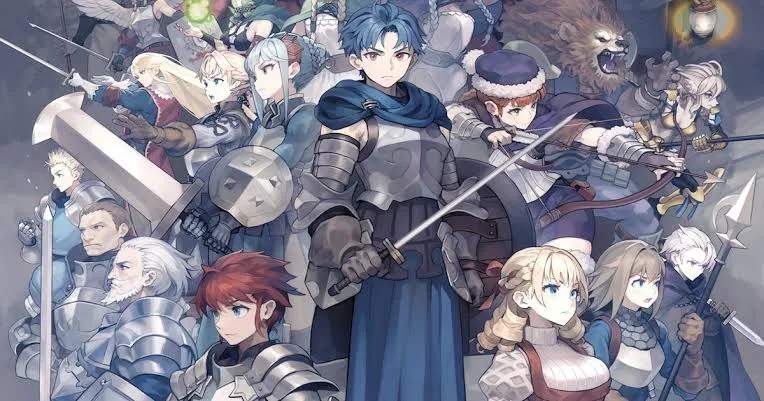
Tactical Map Movement & Positioning
Mastering the tactical map in Unicorn Overlord is paramount to victory. Beyond simply moving units, strategic positioning, efficient resource management, and understanding enemy behavior can turn the tide of even the most challenging battles. This section delves into advanced movement and positioning strategies to give you the edge.
Understanding Unit Movement Types
Every unit in Unicorn Overlord has a specific movement type that dictates its speed and how it interacts with terrain. Recognizing these differences is crucial for effective deployment.
- Infantry (e.g., Lord, Fighter, Housecarl): Standard movement speed. Unhindered by most terrain, but can be slowed by forests or swamps. Ideal for holding chokepoints or advancing through varied landscapes.
- Cavalry (e.g., Knight, Paladin): High movement speed, especially on open roads and plains. Significantly slowed by forests, swamps, and especially mountain passes. Use them for rapid assaults, flanking maneuvers, or quickly reinforcing distant fronts.
- Flying (e.g., Gryphon Knight, Featherbow): Unhindered by all terrain types, offering unparalleled mobility. Excellent for bypassing enemy lines, capturing distant objectives, or providing aerial support. Their lower defense often means they shouldn't be left isolated.
- Armored (e.g., Hoplite, Gladiator): Slower movement speed but possess high defensive capabilities. Best used as a front-line anchor, drawing enemy fire and protecting more fragile units. Their slow pace means they need careful planning to reach the front.
- Scouts (e.g., Thief, Assassin): Often possess unique movement abilities or terrain advantages, like ignoring certain movement penalties. Use them for reconnaissance, ambushing isolated units, or quickly securing undefended resource points.
Optimizing Movement & Action Points (AP)
Each unit has a limited number of AP per turn, which are consumed by moving and engaging in combat. Efficient AP management is key.
- Chaining Movements: Whenever possible, move units in a way that allows them to engage an enemy or capture an objective within the same turn. This minimizes wasted AP and maintains offensive pressure.
- Stamina Management: Pay close attention to your units' stamina. Units with low stamina perform worse in combat and move slower. Utilize Stamina Draughts (purchasable from most towns or found in battle as drops) to restore stamina to critical units, allowing them to continue their advance or hold their ground.
- "Wait" Command: Don't always rush. Sometimes, using the "Wait" command to hold a unit's position allows them to recover stamina or set up a powerful counter-attack on the enemy's turn.
Strategic Positioning & Terrain Advantages
Terrain is not just cosmetic; it offers significant tactical advantages and disadvantages.
- Forests & Swamps: Provide defensive bonuses (evasion/defense) for units positioned within them, especially for Infantry and Scouts. However, they slow down Cavalry. Use these to your advantage by ambushing enemy Cavalry with your Infantry, or by positioning ranged units within for cover.
- High Ground (Hills/Mountains): Units on higher ground gain an accuracy bonus against units on lower ground. Position your Ranged Classes and Casters here to maximize their damage output and minimize incoming fire. Be wary of enemy flying units bypassing your front lines to attack these vulnerable positions.
- Roads: Offer increased movement speed for most unit types, especially Cavalry. Use roads for rapid deployment and flanking maneuvers, but be aware that they also make your units more exposed.
- Bridges & Chokepoints: Excellent for funneling enemies into a narrow area where your armored units can hold them, allowing your ranged units to pick them off. Deploy units like a Hoplite or Gladiator at the front of a bridge to create an impenetrable wall.
- Towns & Forts: Capturing these provides not only resources but also defensive bonuses for units garrisoned within. A unit defending a captured fort gains a significant boost to defense and evasion. Prioritize capturing and holding these strategic locations.
Advanced Maneuvers
- Flanking: Send fast units (Cavalry, Flying) around the enemy's main force to attack their weaker rear or side. This can disrupt their formations and expose vulnerable ranged units or healers.
- Pincer Movements: Attack an enemy unit or stronghold from two or more directions simultaneously. This divides enemy attention and forces them to spread their defenses thin.
- Bait & Switch: Position a strong, durable unit (e.g., a Paladin with high defense) to draw enemy units towards them, then use faster, higher-damage units to ambush the engaged enemies from the sides.
- Objective Rush: In missions with time limits or specific capture objectives, use your fastest units to bypass unnecessary engagements and secure the objective directly. A Gryphon Knight equipped with a Winged Talisman can be invaluable for this.
By integrating these tactical movement and positioning principles into your gameplay, you'll find yourself not just reacting to the enemy, but dictating the flow of battle and achieving decisive victories across Fevrith.