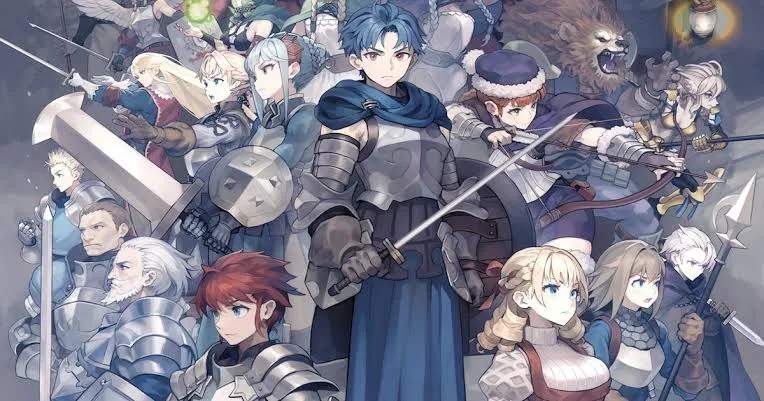
Skills & Abilities
Understanding and effectively utilizing your unit's skills and abilities is paramount to success in Unicorn Overlord. This section will delve into the nuances of both Active and Passive skills, how to optimize their use, and key items that augment their power.
Active Skills: The Battlefield Deciders
Active skills are your unit's direct actions in combat, consuming AP (Action Points) to unleash powerful attacks, healing, or debilitating effects. Each unit typically has 2-3 active skills, with more unlocking as they promote or equip specific gear.
- Prioritization: Always check the skill's target priority. Some skills hit the highest HP enemy, others the lowest, or even specific rows/columns. Tailor your unit's position and skill usage to maximize impact. For example, a "Row Attack" skill from a Gladiator is best placed in the front row to hit the enemy's backline.
- AP Management: Most units start with 2 AP. Strategically decide which skills to use. Early game, a powerful single-target attack might be better than a weaker AoE if you need to eliminate a key threat quickly. As you gain more AP through items or promotions, more complex skill rotations become possible.
- Synergy: Look for skills that complement each other within a unit or even across different units in a squad. A "Stun" skill followed by a high-damage single-target attack can be devastating.
Key Active Skills to Master Early:
- Shield Bash (Soldier/Hoplite): A fantastic early-game skill that deals damage and inflicts Stun. Essential for disrupting enemy formations and protecting squishier units. Soldiers gain this naturally.
- Assaulting Spear (Fighter/Warrior): A powerful single-target attack with a chance to crit. Fighters learn this early, making them excellent damage dealers against high-priority targets.
- Heal (Cleric/Bishop): The cornerstone of any defensive strategy. Clerics start with this. Prioritize upgrading its potency and ensuring your Cleric has enough PP to use it reliably.
- Arrow Rain (Hunter/Sniper): A crucial ranged AoE skill for clearing out multiple weaker enemies or softening up a front line. Hunters acquire this early.
Passive Skills: The Silent Powerhouses
Passive skills trigger automatically under specific conditions, consuming PP (Passive Points). These are often overlooked but are critical for optimizing combat flow, providing buffs, debuffs, or defensive reactions.
- Trigger Conditions: Pay close attention to when a passive skill activates. "Start of Battle," "After Attacking," "When Attacked," or "When an Ally is Attacked" are common triggers.
- PP Allocation: Similar to AP, PP is a limited resource. Decide which passive skills are most vital for your unit's role. A tank might prioritize "Guard" passives, while a damage dealer might focus on "Follow-Up Attack" or "Crit Boost" passives.
- Countering Threats: Many passive skills are excellent for countering specific enemy types. For example, a "Anti-Cavalry" passive on a Fighter can turn the tide against mounted units.
Essential Passive Skills for Strategic Play:
- Guard (Soldier/Hoplite): Automatically guards an ally when they are attacked. Absolutely vital for protecting your backline and keeping key damage dealers alive. Soldiers learn this early.
- First Strike (Hunter/Sniper): Allows the unit to attack before the enemy in certain situations. Excellent for softening up enemies or even eliminating them before they can act. Hunters gain this.
- Quick Guard (Housecarl/Berserker): Similar to Guard but often with a higher chance or different trigger. Housecarls are great at this.
- Follow-Up Attack (Fighter/Warrior): Grants an additional attack after a successful hit. Can significantly boost a unit's damage output. Fighters can acquire this.
Skill Augmentation: Items and Promotions
Skills aren't static; they can be enhanced through various means.
- Promotions: Promoting a unit (e.g., Fighter to Warrior, Cleric to Bishop) often unlocks new, more powerful active and passive skills, or enhances existing ones. This is a primary method of skill progression.
- Equipment: Many weapons, armor, and accessories grant new skills or improve existing ones.
- Example: The "Griffon Feather" accessory (found in the early stages of Cornia, often dropped by Griffon Knights or found in treasure chests near Ouvrir Harbor) can grant a unit the "Featherwind" active skill, a swift, evasive attack.
- Example: The "Warrior's Axe" (purchasable in various armories after liberating certain towns like Barbatimo) might enhance the power of a Fighter's "Assaulting Spear."
- Example: The "Amulet of Fortitude" (a common drop from armored units or found in treasure chests in Drakenhold) can increase a unit's PP, allowing for more frequent passive skill activations.
- Consumables: While less common for permanent skill changes, certain consumable items can temporarily boost skill effectiveness or grant temporary AP/PP. Keep an eye out for items like "Valor Potion" (increases Valor Points, which fuel Leader Skills) or "Tactical Manual" (grants temporary stat boosts that can indirectly improve skill damage/healing). These are often found in resource nodes or as mission rewards.
By carefully considering skill synergies, managing AP/PP, and leveraging equipment and promotions, you can transform your units into formidable forces on the battlefield.