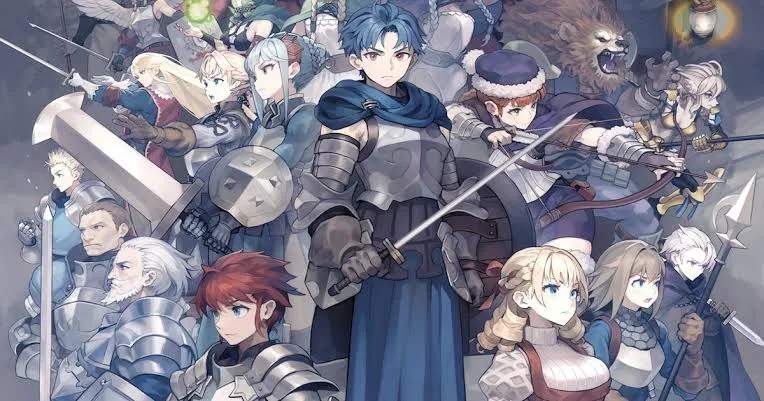
Unit Stats & Growth
Understanding how your units' stats evolve is paramount for forging an unstoppable army in Unicorn Overlord. While each class possesses inherent growth rates, you can significantly influence these through strategic itemization, dedicated training, and even specific character interactions. Mastering these mechanics will allow you to fine-tune your forces for any challenge.
Understanding Core Stats
Every unit in Unicorn Overlord is defined by a set of core statistics that dictate their performance in the heat of battle. Familiarizing yourself with these attributes is essential for making informed decisions when assembling units, assigning roles, and equipping them appropriately.
- HP (Hit Points): Represents a unit's health pool. Higher HP is critical for front-line tanks and units designed to absorb sustained damage. For example, a Fighter or Hoplite will naturally have high HP growth, aiming for 150-200+ HP by mid-game (Level 20-25) to effectively tank.
- Physical Attack (P.ATK): Governs the damage dealt by physical abilities and basic attacks. This is the primary offensive stat for most melee and some ranged physical damage dealers. Classes like Swordfighters, Hunters, and Warriors prioritize P.ATK, ideally reaching 60-80+ by mid-game.
- Physical Defense (P.DEF): Reduces incoming physical damage. Crucial for any unit expected to withstand attacks from physical adversaries. Heavily armored units like Hoplites and Great Knights will have exceptional P.DEF growth, aiming for 40-50+ by mid-game.
- Magic Attack (M.ATK): Determines the damage dealt by magical abilities. This is the core offensive stat for casters and magic-focused units. Witches, Shamans, and Wizards will focus on M.ATK, targeting 50-70+ by mid-game.
- Magic Defense (M.DEF): Reduces incoming magical damage. Important for units facing magical threats, particularly those with lower HP or those in the backline vulnerable to AoE magic. Shaman and Cleric units often have good M.DEF growth, aiming for 30-40+ by mid-game.
- Accuracy (ACC): Influences the chance of a unit's attacks hitting their target. High ACC is vital for reliable damage output, especially against evasive enemies. Archers and Hunters often have high ACC, ensuring their attacks land consistently. A good ACC value is generally 100% or higher to negate most evasion.
- Evasion (EVA): Determines a unit's chance to dodge incoming attacks. Extremely valuable for skirmishers and units designed to avoid damage, such as Thieves and Wyvern Knights. These units aim for 30-40+ EVA by mid-game to reliably dodge attacks.
- Critical Rate (CRIT): Increases the chance of landing a critical hit, which deals bonus damage (typically 1.5x damage). Units built for burst damage, like Swordfighters with specific skills, benefit greatly from high CRIT.
- Guard Rate (GUARD): Increases the chance of a unit guarding against an attack, significantly reducing damage. Hoplites and Fighters often have skills that boost their Guard Rate, making them excellent defensive units.
- Initiative (INIT): Dictates the order in which units act in battle. Higher Initiative means your unit acts sooner, potentially allowing them to eliminate threats, apply buffs, or debuff enemies before they can react. Fast units like Thieves and Gryphon Knights naturally have high INIT, aiming for 40-50+ by mid-game to ensure early turns.
Influencing Growth: Items & Equipment
While base growth rates are fixed per class, equipment is your primary tool for tailoring a unit's stats to your tactical needs. Pay close attention to the stat bonuses provided by each item and how they synergize with a unit's inherent strengths or compensate for weaknesses.
Weapons
Weapons often provide significant boosts to P.ATK or M.ATK, but can also offer secondary benefits like ACC, CRIT, or even Initiative. Selecting the right weapon can drastically alter a unit's role.
- Physical Weapons: Swords, Axes, Spears, Bows. These primarily boost P.ATK.
- Example: A high-tier Greatsword for a Warrior will amplify their already strong P.ATK, turning them into a devastating damage dealer. Look for weapons that also provide ACC to ensure hits.
- Magical Weapons: Staves, Tomes. These primarily boost M.ATK.
- Example: Equipping a powerful Staff on a Witch or Shaman will significantly increase their spell damage and healing output. Some staves might also offer M.DEF or Initiative.
Armor
Armor primarily focuses on defensive stats (P.DEF, M.DEF, HP), but some pieces can offer other valuable bonuses, such as evasion or status resistance. Match armor type to unit role.
- Heavy Armor: Plate, Scale. Provides substantial P.DEF and HP. Ideal for front-line tanks.
- Example: Equipping Plate Armor on a Hoplite maximizes their physical damage reduction, making them nearly impervious to physical attacks.
- Light Armor: Leather, Brigandine. Offers balanced defenses, sometimes with EVA or Initiative bonuses. Suitable for skirmishers and agile damage dealers.
- Example: Leather Armor with an Evasion bonus on a Thief enhances their ability to dodge attacks, making them harder to hit.
- Robes: Cloth, Silk. Provides M.DEF and sometimes M.ATK or HP. Essential for magical units.
- Example: A Silk Robe on a Shaman boosts their M.DEF, protecting them from enemy magic while also potentially increasing their M.ATK.
Accessories
Accessories are incredibly versatile and can fill gaps in a unit's stat profile or enhance their strengths. They often provide unique effects or boosts to less common but crucial stats.
- Initiative Boosters: Items like the Quickfoot Charm or Initiative Ring are invaluable for ensuring key units act first. Assign these to your primary damage dealers, debuffers, or healers to gain a tactical advantage.
- Defensive Accessories: Amulets of Protection (P.DEF/M.DEF), HP Rings (HP), or Guard Rings (Guard Rate) can bolster survivability. Use these on units that need to endure more hits or protect allies.
- Offensive Accessories: Power Bracelets (P.ATK), Magic Bracelets (M.ATK), or Critical Rings (CRIT) enhance damage output. Equip these on your main damage dealers to maximize their impact.
- Utility Accessories: Accessories that boost ACC, EVA, or provide status immunity can be game-changers. For instance, an Evasion Scarf on a Thief makes them even more elusive.
Influencing Growth: Training & Leveling
Units gain experience and levels through combat, with each level-up granting stat increases based on their class's growth rates. Strategic training is key to maintaining a strong, balanced army.
Experience Acquisition Methods
- Combat: The most straightforward way to gain experience. Units participating in battles, regardless of whether they deal damage or not, will earn EXP.
- Optimal Strategy: Engage in battles where your units are slightly under-leveled or on par with the enemy. Over-leveled units gain significantly reduced EXP.
- Auxiliary Stages: These repeatable battles are excellent for power-leveling units. They are often marked on the world map as "Practice Battle" or "Training Ground."
- Strategy: Prioritize stages that offer bonus EXP or are slightly above your target unit's level. For example, the Practice Battle: Forest in Cornia is an early-game staple, while later regions offer more challenging and rewarding training grounds. Deploy a strong unit to clear the stage quickly while your lower-level units gain passive EXP.
- EXP Books: Consumable items like Small EXP Book, Medium EXP Book, and Large EXP Book provide instant experience.
- Acquisition: These are often found in treasure chests, as rewards for completing quests, or occasionally dropped by specific enemies.
- Usage: Save these for units you want to quickly bring up to par (e.g., newly recruited characters, or a specific unit needed for an upcoming difficult battle). They are also useful for "topping off" a unit's level to reach a promotion threshold.
- Mentoring System: While not an explicit game mechanic, placing a lower-level unit in a squad with higher-level units can effectively help them gain experience faster. The higher-level units will handle the heavy lifting, allowing the junior unit to benefit from the shared EXP.
Influencing Growth: Class Promotion
Promoting a unit to its advanced class (e.g., Fighter to Warrior, Soldier to Serjeant, Witch to Sorceress) provides a substantial boost to all stats and often unlocks new, powerful active and passive abilities. This is a critical growth milestone and should be prioritized for your core units.
- Honors: Promotions require a certain amount of Honors, a currency earned by completing main quests, liberating towns and garrisons, and defeating enemy leaders.
- Strategy: Actively pursue main story objectives and liberate as many locations as possible to accumulate Honors. Prioritize promoting your core damage dealers, tanks, and healers first.
- Promotion Items: While most standard class promotions only require Honors, some unique classes or specific character promotions might require a special item in addition to Honors.
- Example: Promoting certain unique characters might require a specific rare artifact found in a hidden ruin or as a reward for a challenging side quest. Always check the promotion requirements in the unit menu. These items are often unique and should be used wisely.
Influencing Growth: Consumables & Permanent Boosts
Beyond equipment and leveling, certain rare consumables can offer permanent stat increases, allowing for meticulous optimization of your most vital units.
- Stat-Boosting Herbs: Items like Strength Herb (+1 P.ATK), Magic Herb (+1 M.ATK), Defense Herb (+1 P.DEF), and Resilience Herb (+1 M.DEF) provide permanent, albeit small, stat boosts.
- Acquisition: These are extremely rare, often found in hidden caches, as rewards for challenging side quests, or very rarely dropped by powerful enemies.
- Usage: Use them judiciously on your most critical units to shore up weaknesses (e.g., giving a few Defense Herbs to a squishy but high-damage unit) or to amplify existing strengths (e.g., giving Strength Herbs to your main physical attacker).
- HP Up Elixir: Permanently increases a unit's maximum HP.
- Acquisition: Similar to herbs, these are scarce and typically found in late-game treasure chests or as rewards for significant achievements.
- Usage: Best reserved for your main tank or units that absolutely need more survivability to fulfill their role effectively.
Influencing Growth: Specific Character Interactions & Rapport
While less direct than items or training, building rapport between characters can also indirectly influence unit growth and effectiveness. High rapport between units in the same squad can unlock unique passive abilities or enhance existing ones, making the squad more potent overall. Additionally, certain character-specific side quests might reward unique items or even permanent stat boosts upon completion.
- Rapport Conversations: Engaging in conversations between specific characters (often triggered by having them in the same squad for a certain amount of time or after specific story events) can increase their rapport level.
- Benefit: Higher rapport often grants passive bonuses when those characters are deployed together, such as increased damage, defense, or even shared healing. These bonuses, while not directly increasing base stats, significantly improve combat performance.
- Character-Specific Quests: Some unique characters have personal side quests that delve into their backstory. Completing these quests can sometimes yield powerful unique equipment tailored to that character, or even rare consumables that provide permanent stat boosts.
- Strategy: Pay attention to character dialogue and explore the world map thoroughly to uncover these hidden quests. They are often well worth the effort for the rewards and narrative depth they provide.
By carefully managing your units' equipment, strategically training them through auxiliary stages and EXP books, prioritizing promotions, and utilizing rare consumables and character interactions, you can sculpt your army into a force perfectly suited to overcome any challenge Cornia and beyond throws your way. A well-developed unit is a cornerstone of victory in Unicorn Overlord.