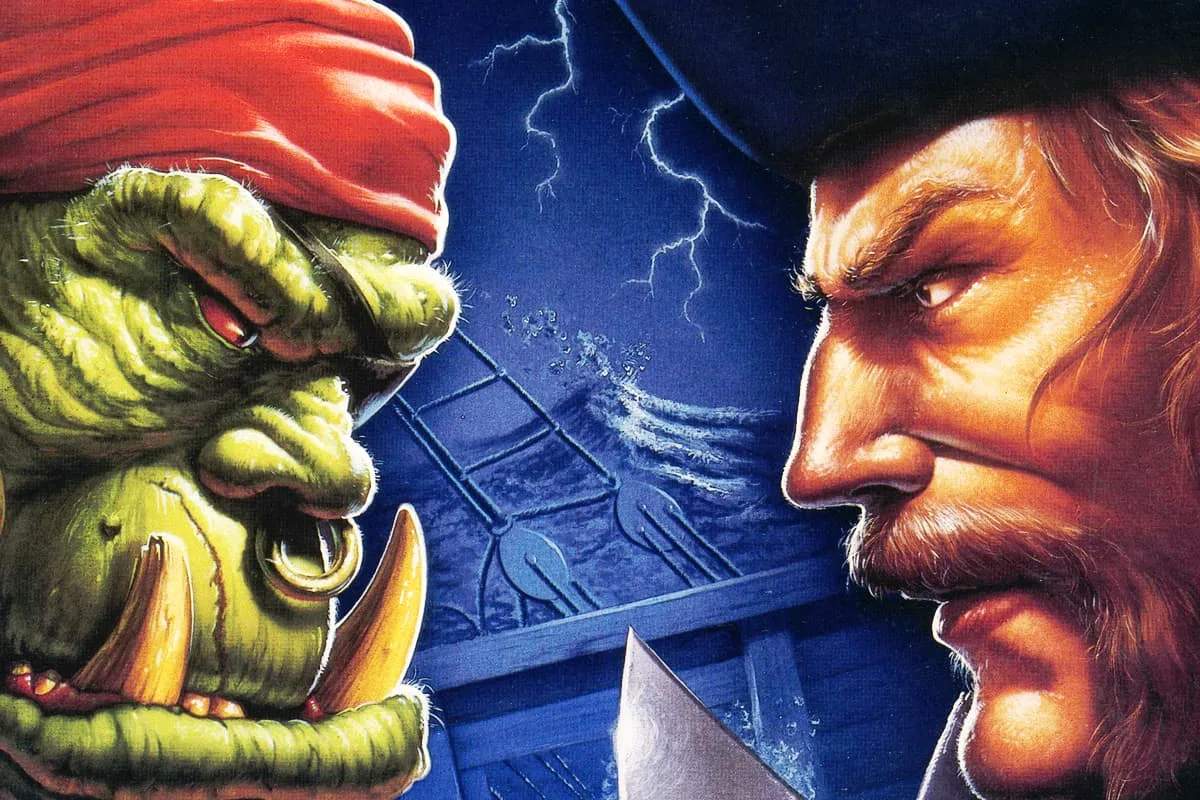
Historical Context and Development
Warcraft II: Tides of Darkness, released in 1995, stands as a monumental achievement in the real-time strategy (RTS) genre, building upon the foundations laid by its predecessor, Warcraft: Orcs & Humans. Understanding its historical context and developmental journey provides invaluable insight into the game's design philosophies and enduring appeal. This section will delve into the game's origins, key innovations, and its lasting impact on the gaming landscape.
The Genesis of a Classic
Blizzard Entertainment, then known as Silicon & Synapse, had already established itself with titles like The Lost Vikings and Rock & Roll Racing. However, it was the original Warcraft in 1994 that truly put them on the map as a force in PC gaming. Warcraft II was developed rapidly, leveraging the success and feedback from the first game. The development team aimed to refine the core RTS mechanics while expanding the narrative and graphical fidelity.
- Engine Evolution: While still utilizing a 2D isometric perspective, Warcraft II featured a significantly upgraded engine. This allowed for more detailed sprites, varied terrain, and a more vibrant color palette compared to the somewhat muted tones of its predecessor. Players will immediately notice the improved visual clarity, making unit identification and environmental awareness much easier.
- Expanded Lore: The narrative in Tides of Darkness moved beyond the initial conflict, introducing a much broader world of Azeroth. The Human Alliance, a coalition of various kingdoms and races, and the Orcish Horde, now bolstered by Trolls, Ogres, and Goblins, engaged in a truly epic struggle. This expansion of lore laid the groundwork for the rich universe that would define future Warcraft titles, including the massively popular World of Warcraft.
- Design Philosophy: Blizzard's core design philosophy for Warcraft II was "easy to learn, difficult to master." This meant intuitive controls, clear objectives, and a gradual introduction of new units and mechanics throughout the campaigns. This approach made the game accessible to newcomers while offering deep strategic possibilities for seasoned players.
Key Innovations and Impact
Warcraft II wasn't just a sequel; it was a significant leap forward for the RTS genre, introducing several features that would become industry standards.
Fog of War
One of the most impactful innovations was the introduction of a true "Fog of War" system. Unlike the original Warcraft, where explored areas remained visible, Warcraft II obscured previously explored territory with a dark fog once units moved away. This forced players to constantly scout and maintain map control, adding a crucial layer of strategic depth.
- Actionable Tip: Always have dedicated scouting units (e.g., Human Footmen, Orc Grunts, or even Peons/Peons early game) exploring the map edges. This helps identify enemy expansions, resource nodes, and potential attack routes.
- Strategic Insight: The Fog of War makes surprise attacks and flanking maneuvers incredibly effective. Use this to your advantage by sending small groups of units around the map to hit unguarded resource lines or undefended structures.
Naval Warfare
Tides of Darkness, as its name suggests, brought naval combat to the forefront. The ability to construct Shipyards and build various naval units, from nimble Destroyers to powerful Battleships and troop-transporting Transports, revolutionized map design and strategic options.
- Unit Spotlight:
- Human Battleship: A formidable long-range artillery unit, excellent for bombarding coastal defenses and enemy Shipyards. Requires a Shipyard and Foundry.
- Orc Juggernaut: The Orcish equivalent to the Battleship, equally devastating in naval engagements. Requires a Shipyard and Foundry.
- Transport: Essential for amphibious assaults, allowing land units to cross water. Crucial for many campaign missions like "Zul'Dare" (Orc Campaign, Act I, Mission I) or "Crestfall" (Human Campaign).
- Strategic Insight: Control of the seas often dictates the flow of resources and troop movements. Establishing naval superiority can cut off enemy expansions or allow for devastating coastal bombardments.
Resource Management Refinement
While the core resources of Gold and Lumber remained, their management was streamlined. The introduction of Oil as a third resource, specifically for naval units and structures, added another layer of economic strategy.
- Resource Location: Oil is found in specific Oil Patches located in water. You'll need to construct an Oil Rig on these patches using a Peon or Peasant from a Shipyard.
- Actionable Tip: Prioritize securing nearby Oil Patches early in maps with significant naval components. Losing access to Oil can severely cripple your naval production.
Multiplayer Prowess
Warcraft II was a pioneer in online multiplayer gaming, particularly through Battle.net. Its robust multiplayer experience, featuring competitive ladder play and custom games, fostered a vibrant community and contributed significantly to its longevity.
- Legacy: The competitive scene of Warcraft II laid the groundwork for the esports phenomenon that would follow with games like StarCraft and Warcraft III.
By understanding these foundational elements and innovations, You can better appreciate the strategic depth and enduring legacy of Warcraft II: Tides of Darkness, and apply these historical insights to their gameplay for a more informed and successful experience.